

Property details
- Property ID: CDS19508
- Price: € 106,050
- Plot Size: 0 m2
- Built Size: 236 m2
- Terrace Size: 0 m2
- Bedrooms: 3
- Bathrooms: 3
- Property Type: Townhouse
Notice: Trying to access array offset on value of type bool in /var/www/clients/client5/web6/web/property.php on line 328
Notice: Trying to access array offset on value of type bool in /var/www/clients/client5/web6/web/property.php on line 328
- Kitchen: Partially Fitted
- Views: Urban,Street
- Parking: Street
- Furniture: Not Furnished
Setting
- Town,Commercial Area,Close To Shops,Close To Schools
Description
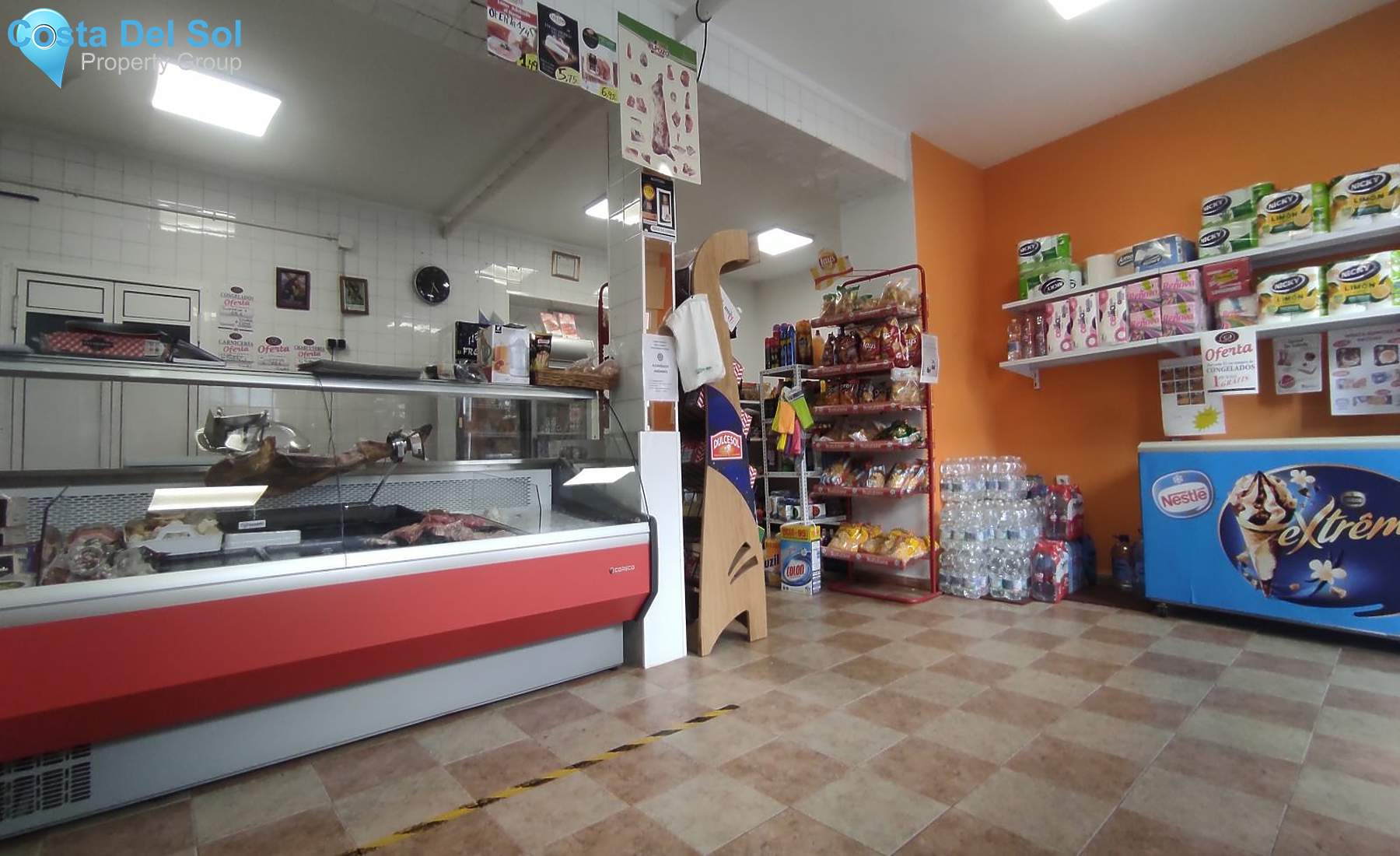
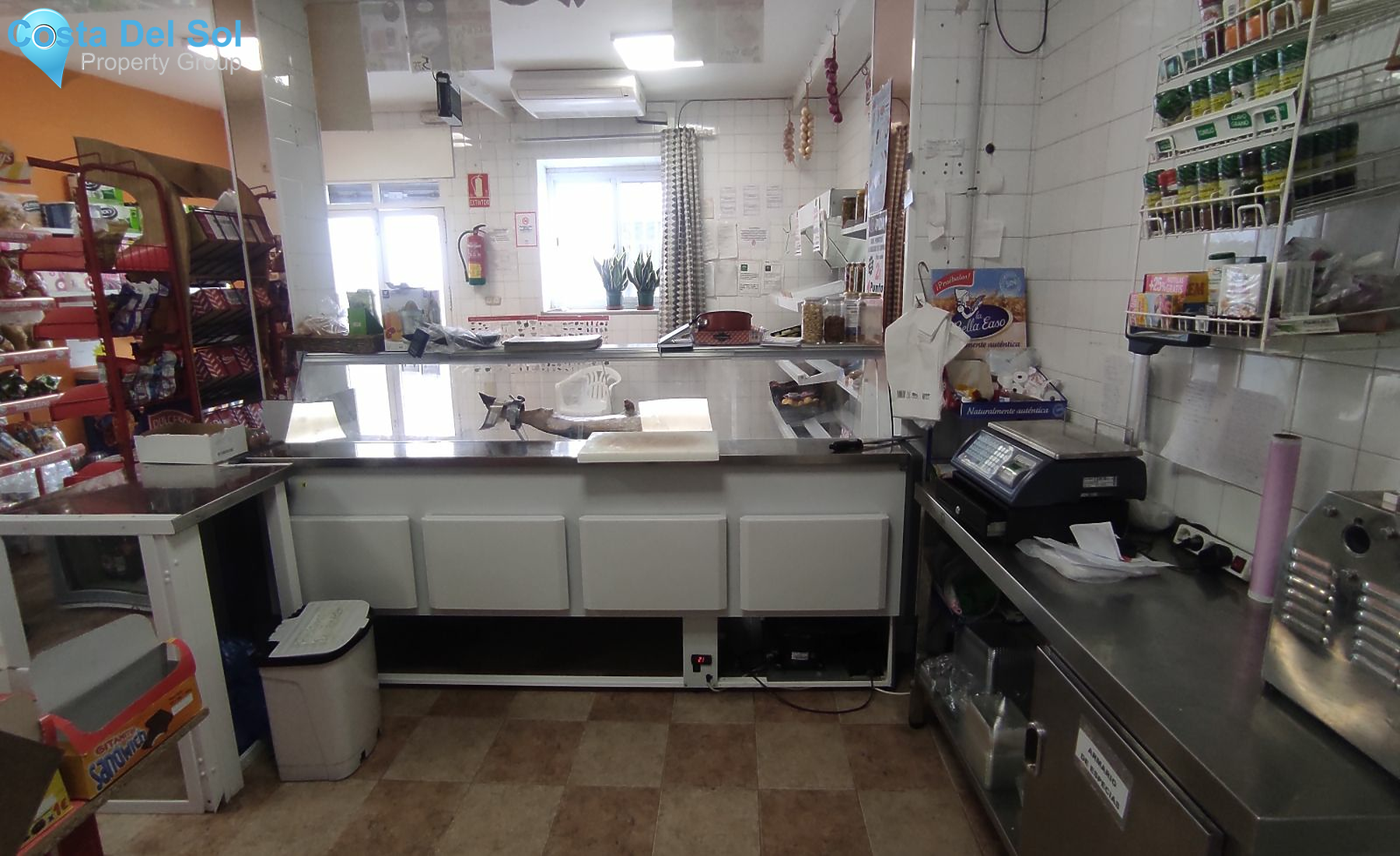
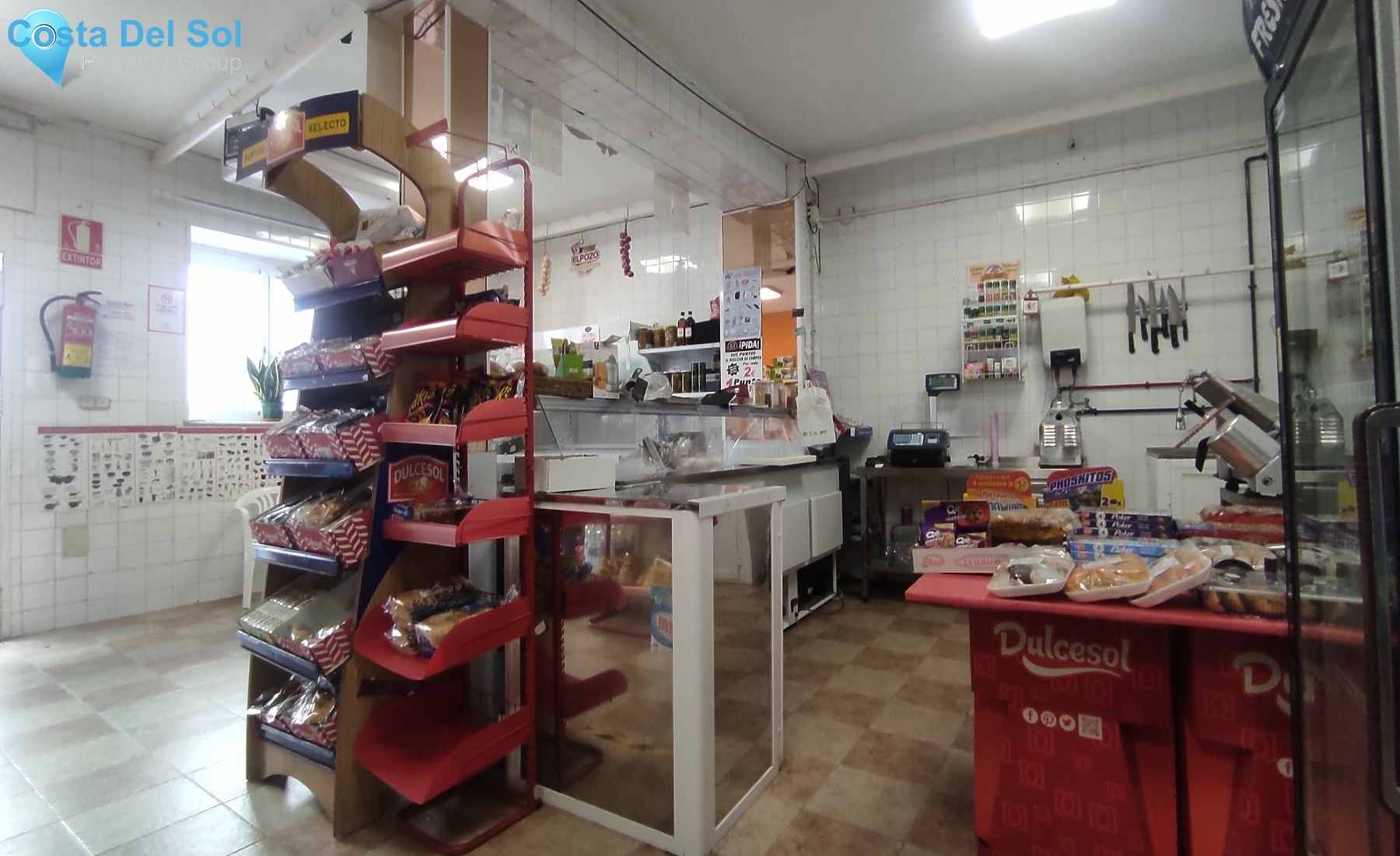
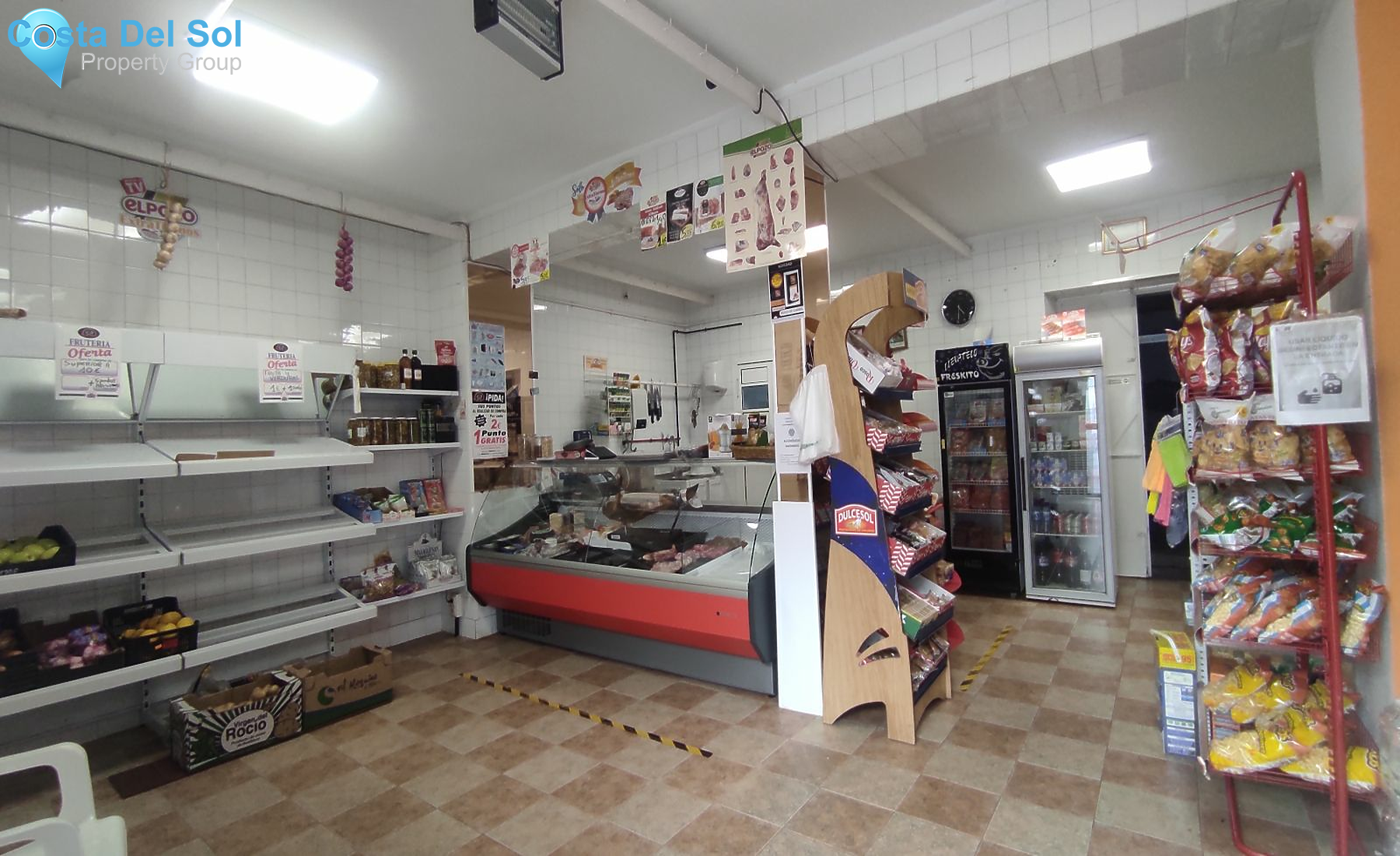
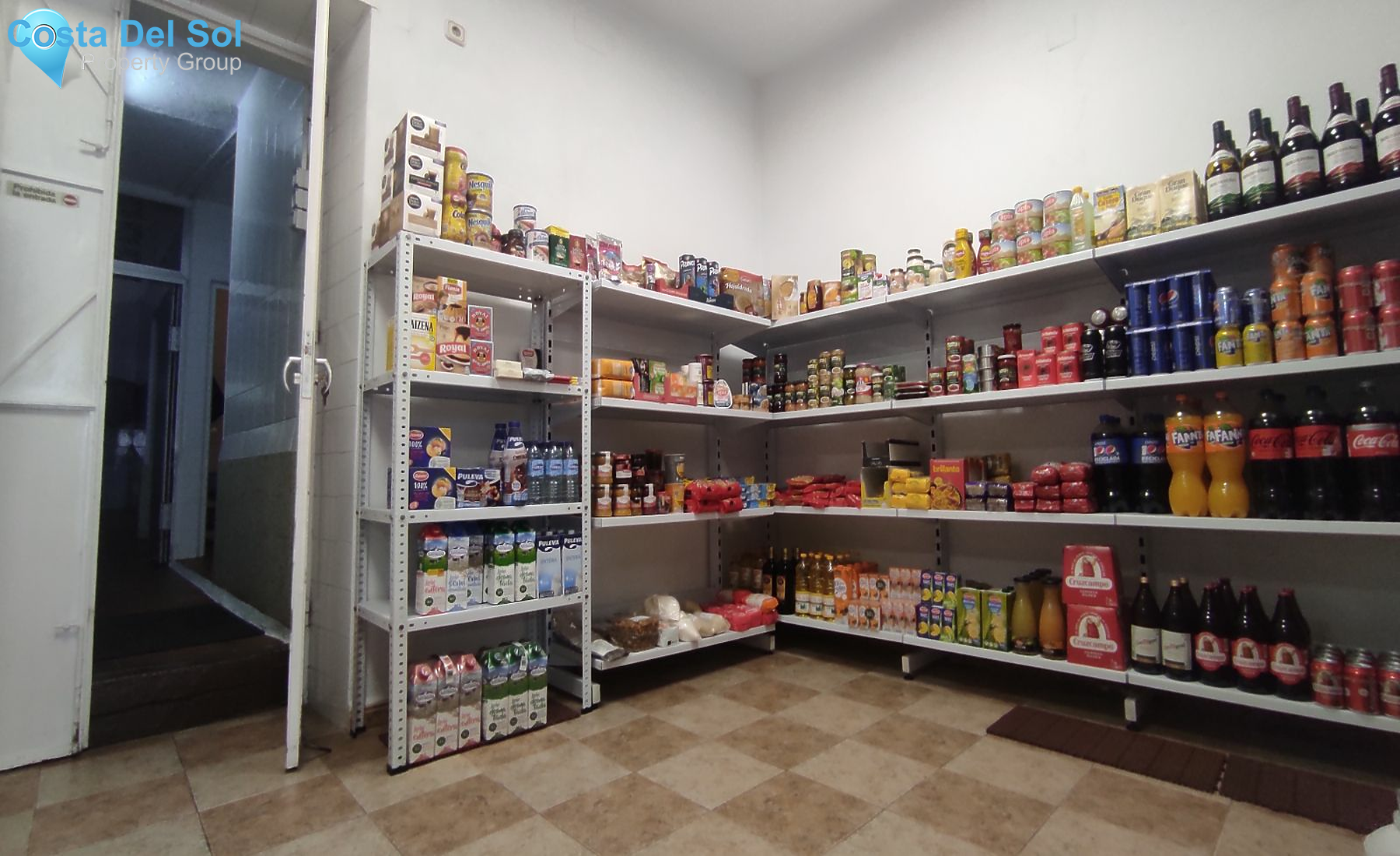
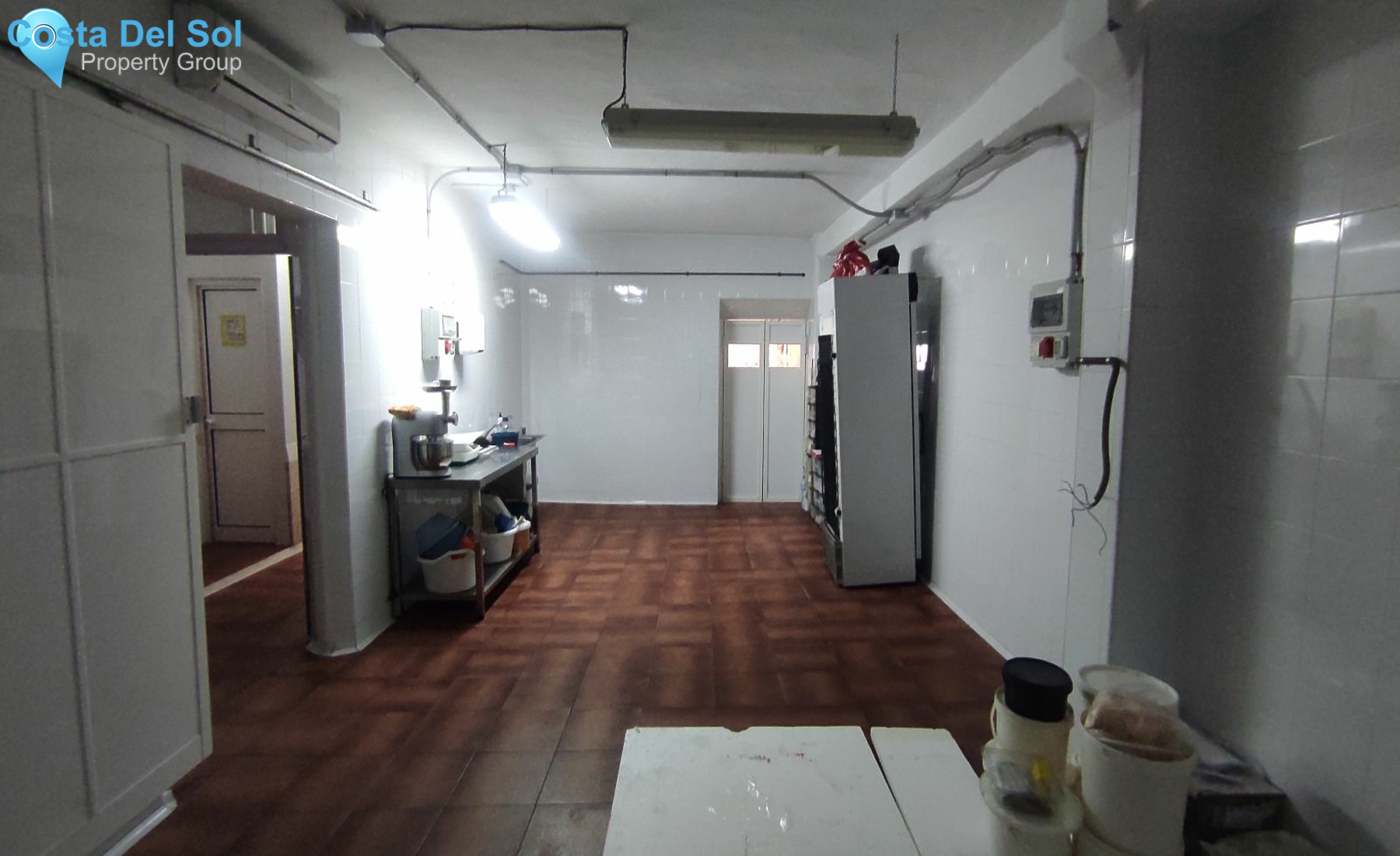
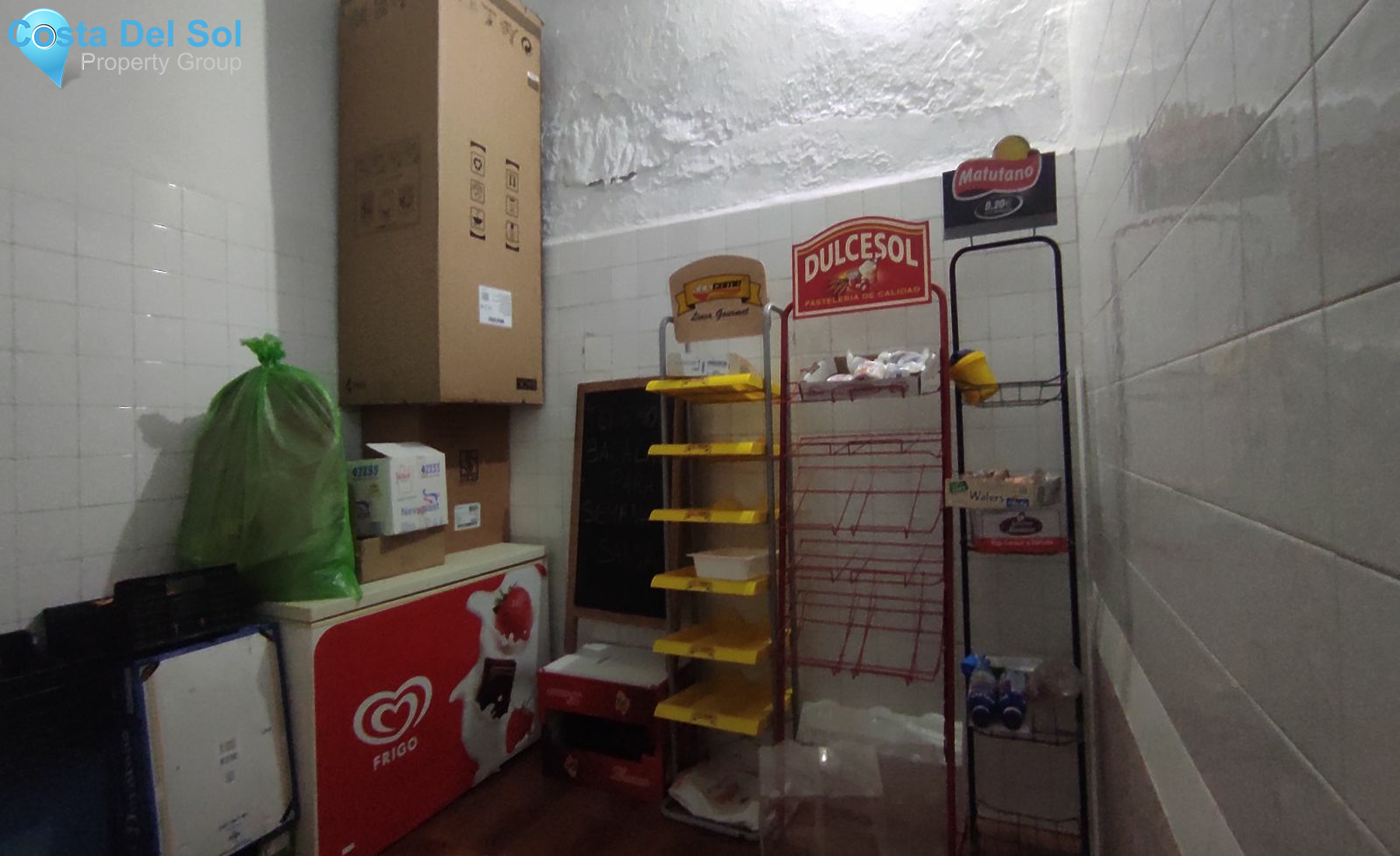
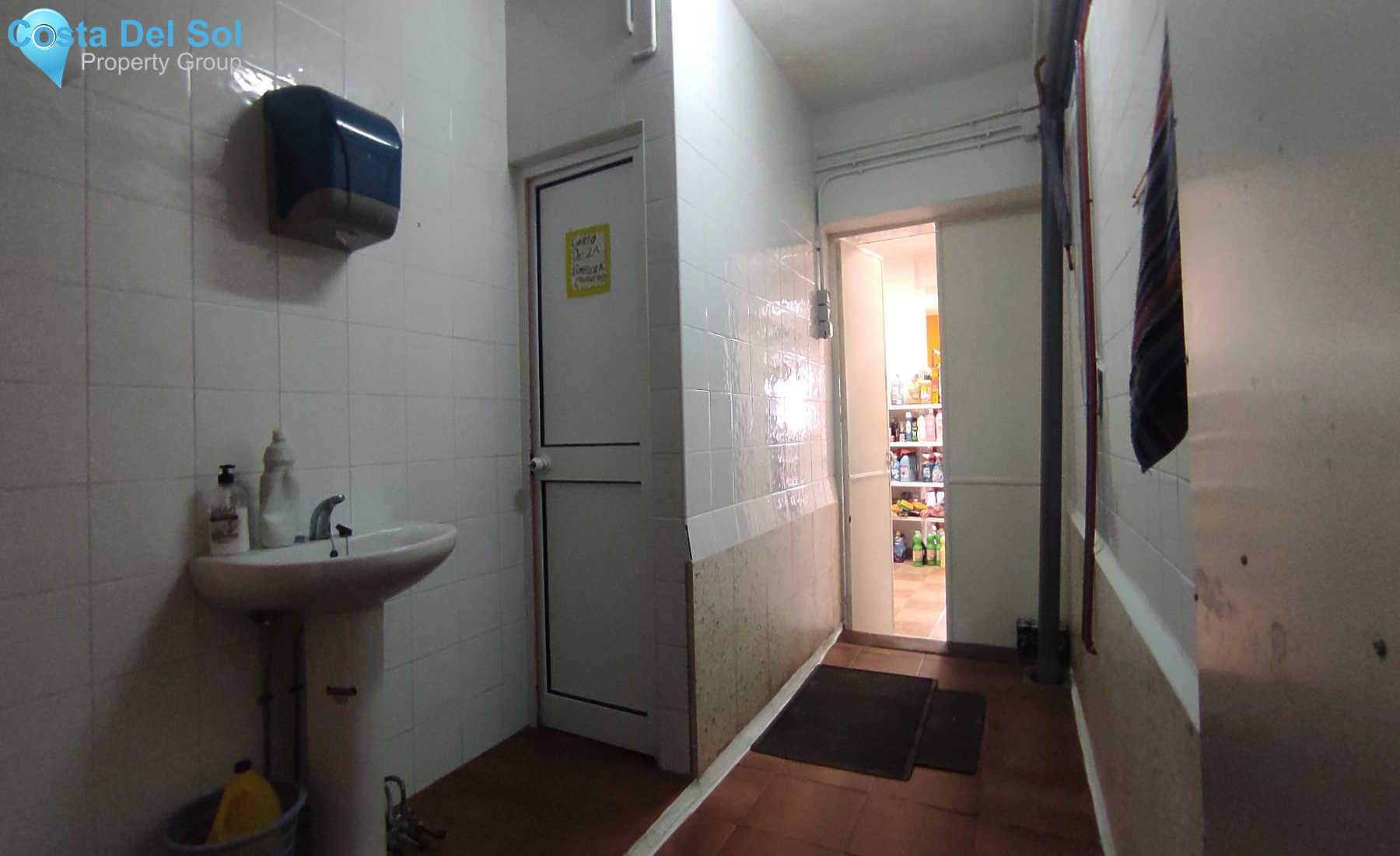
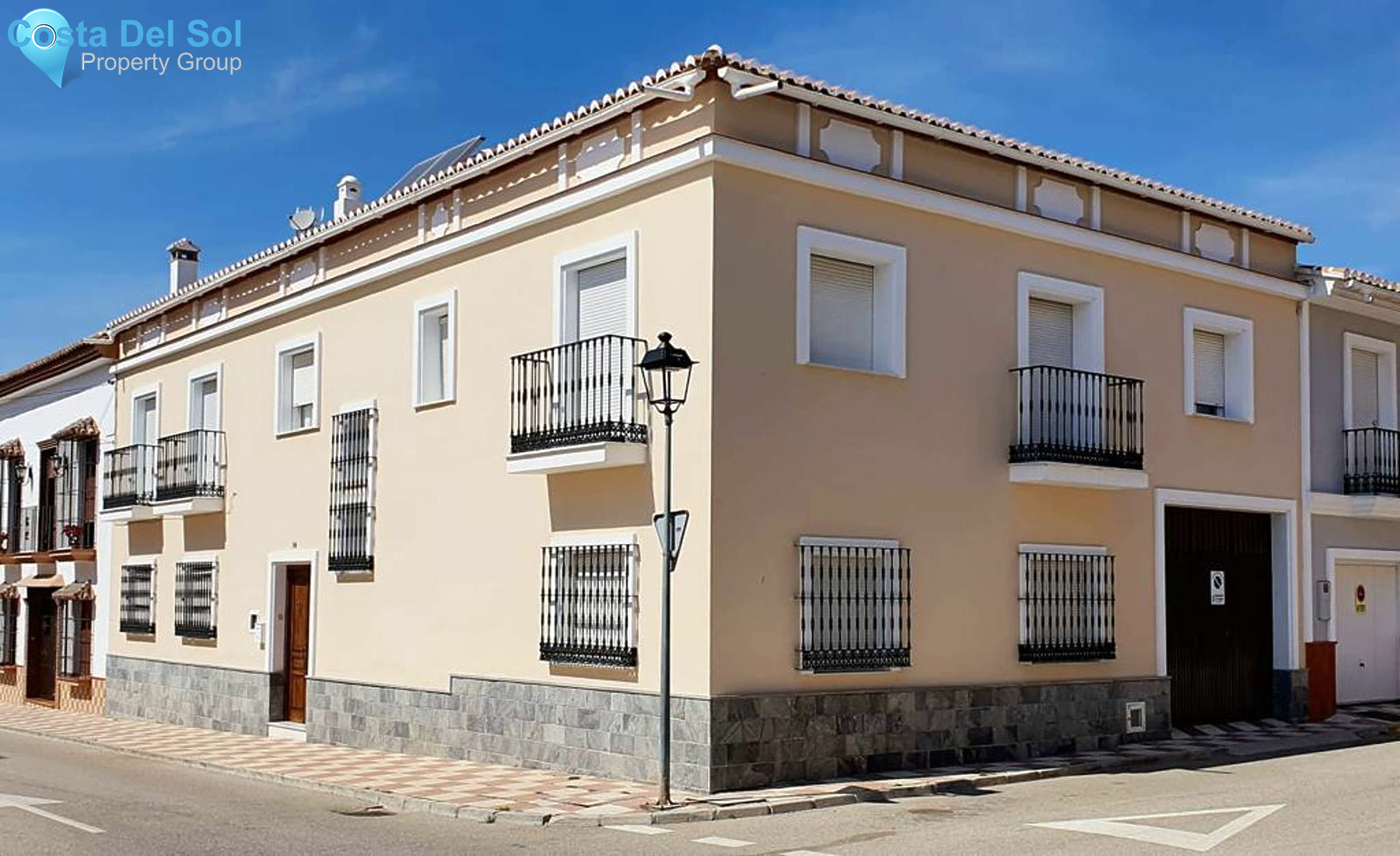
Townhouse with commercial premises in the centre of Alhaurín el Grande.
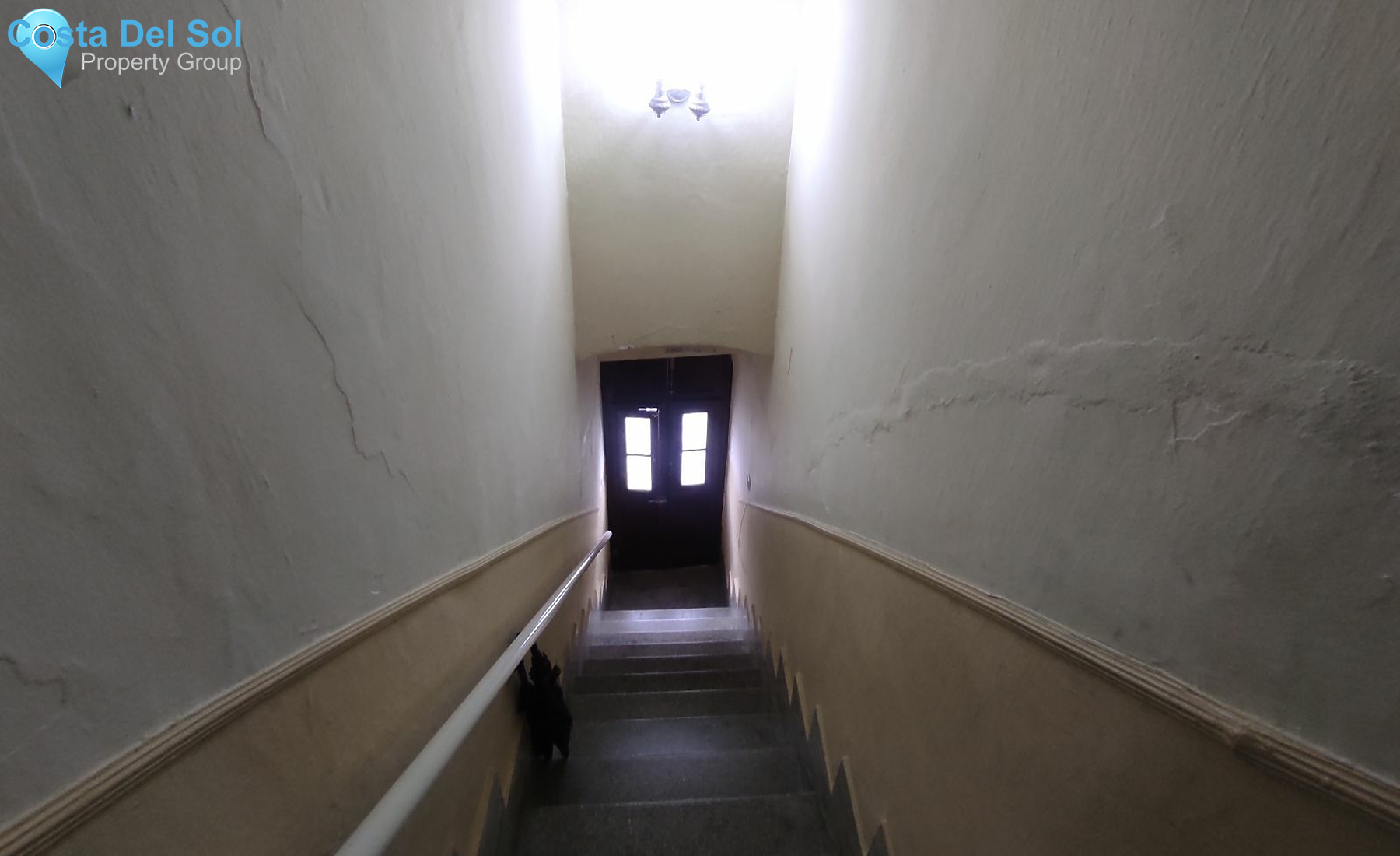
The property is distributed over two floors plus a roof terrace.
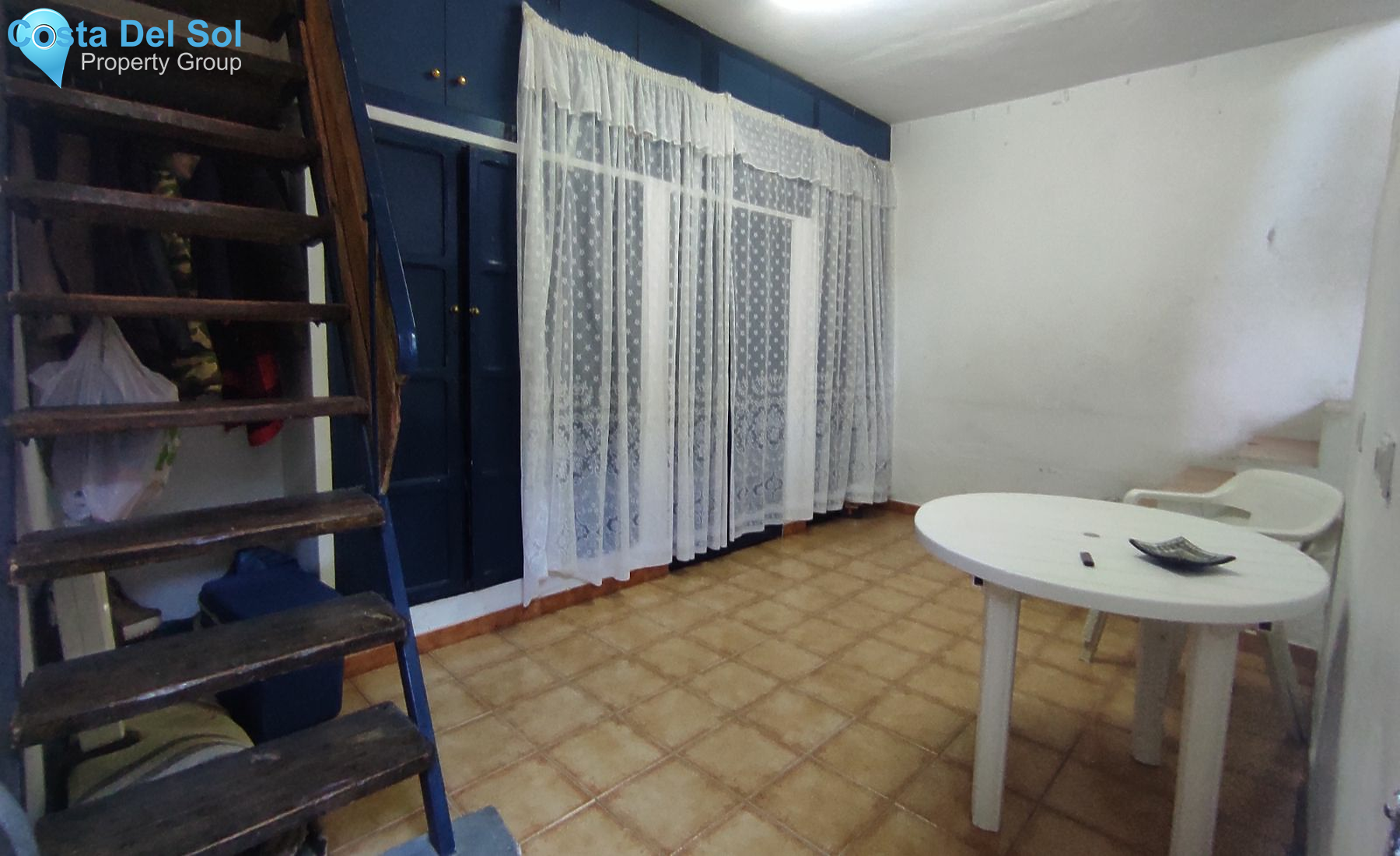
The ground floor is destined to commerce and has a shop facing the public, two bathrooms with showers, and a large storage room at the rear.
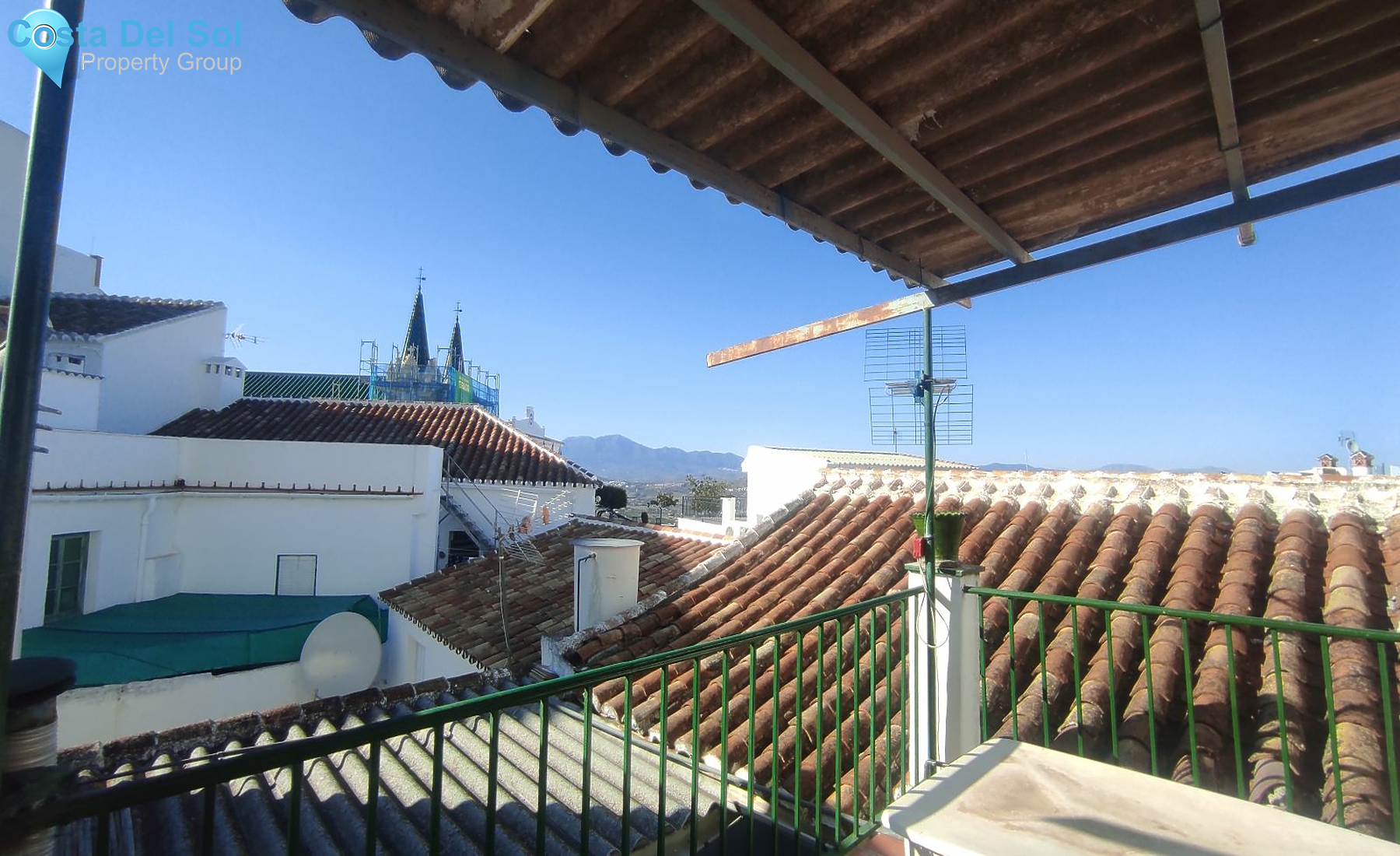
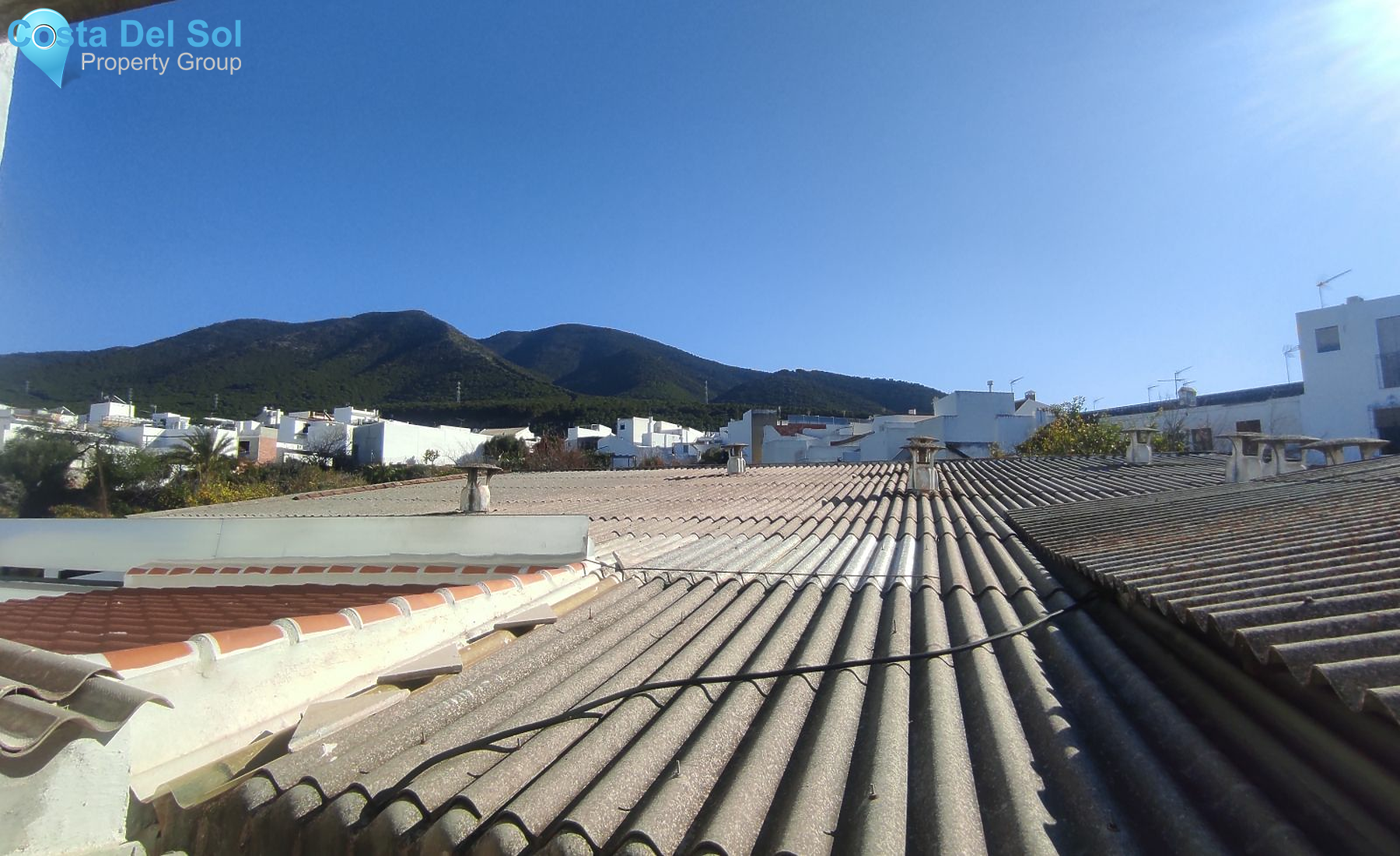
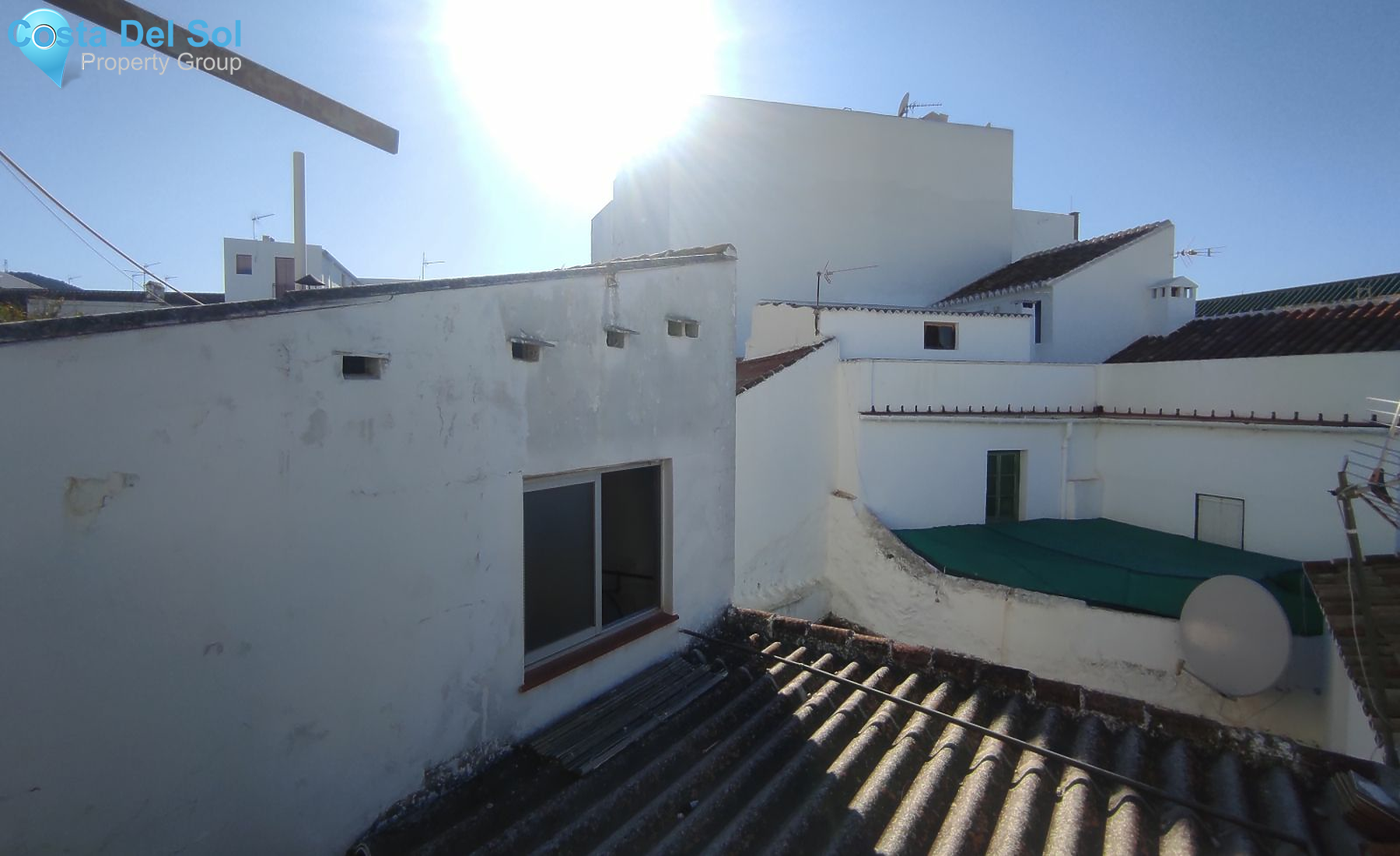
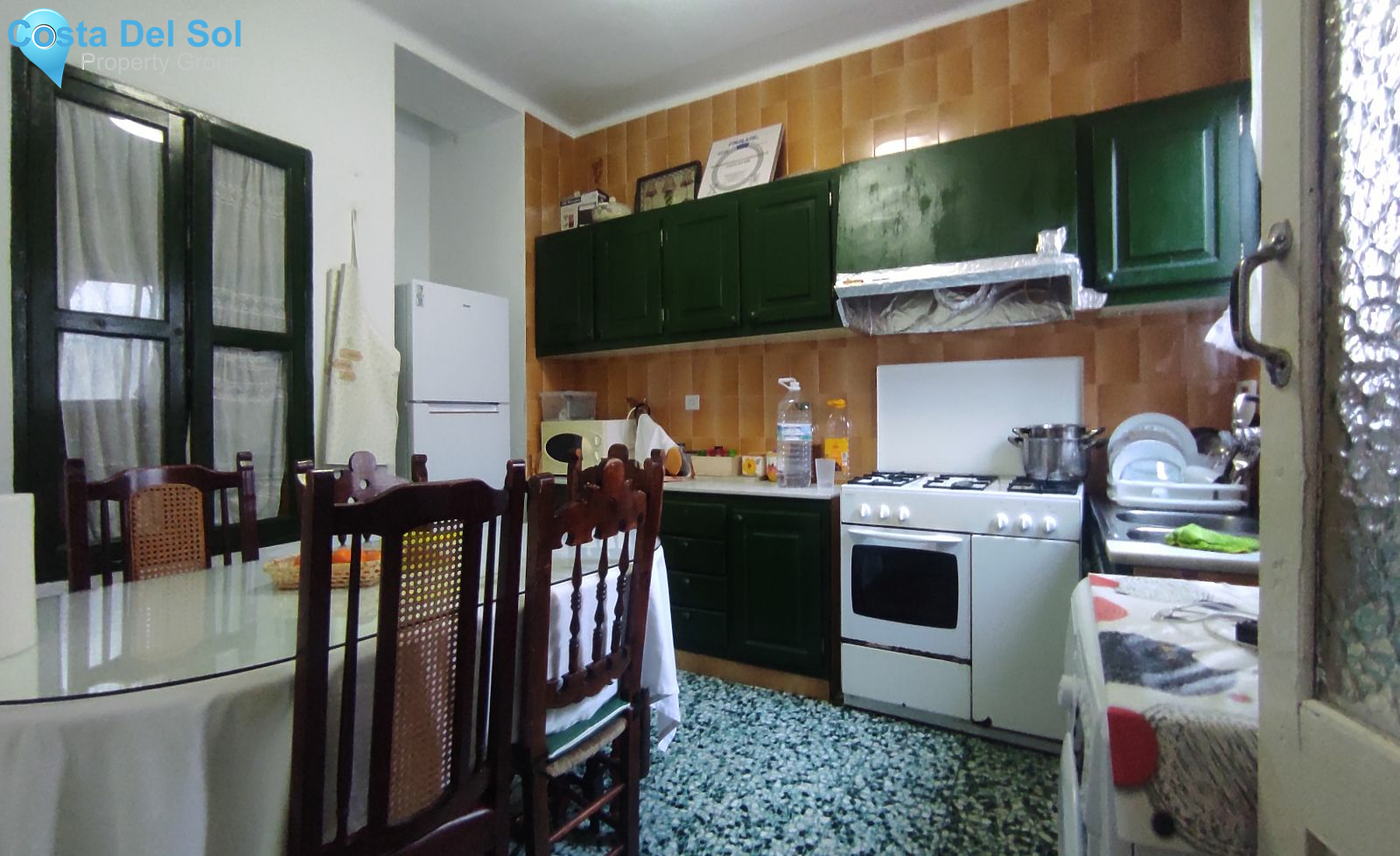
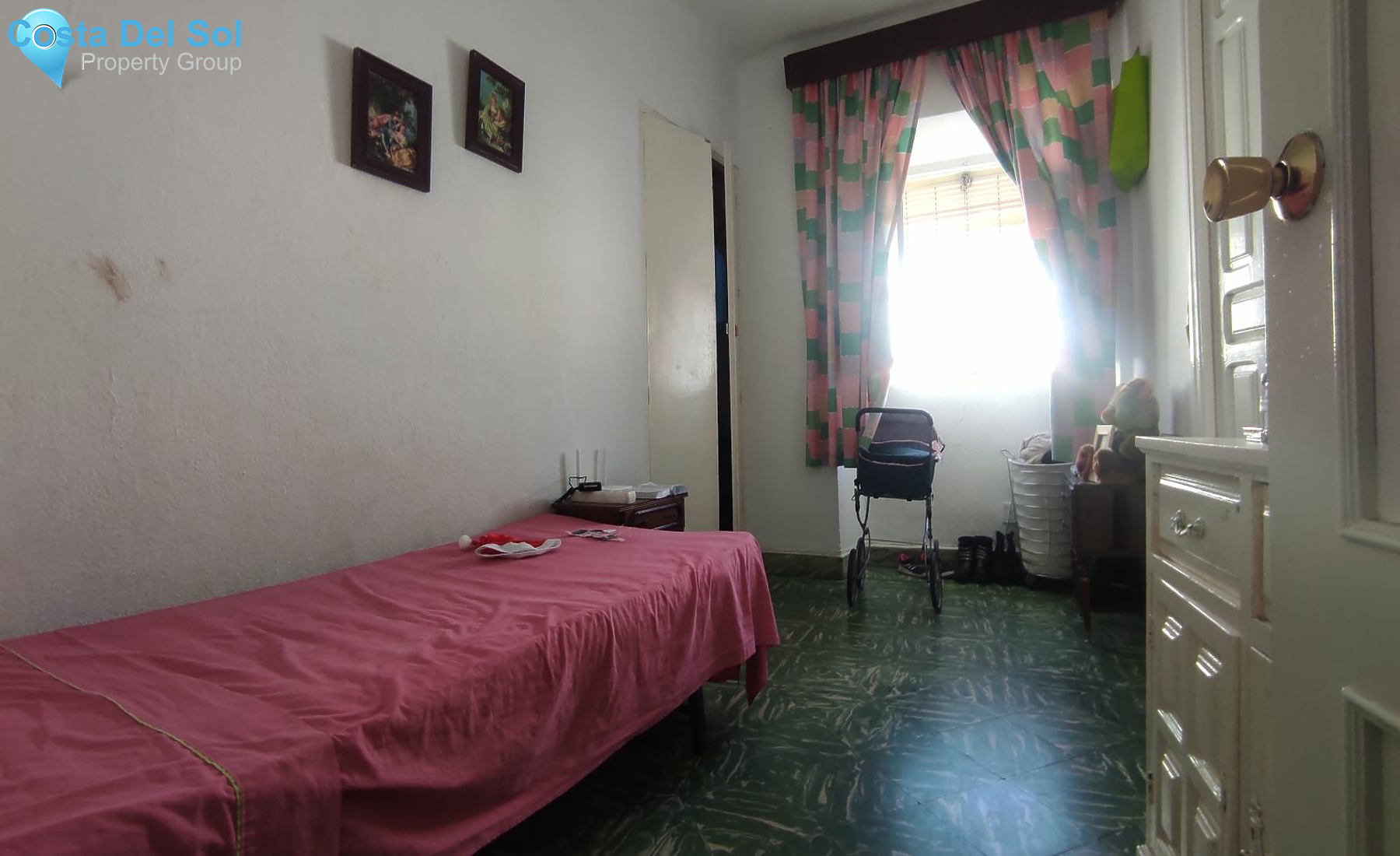
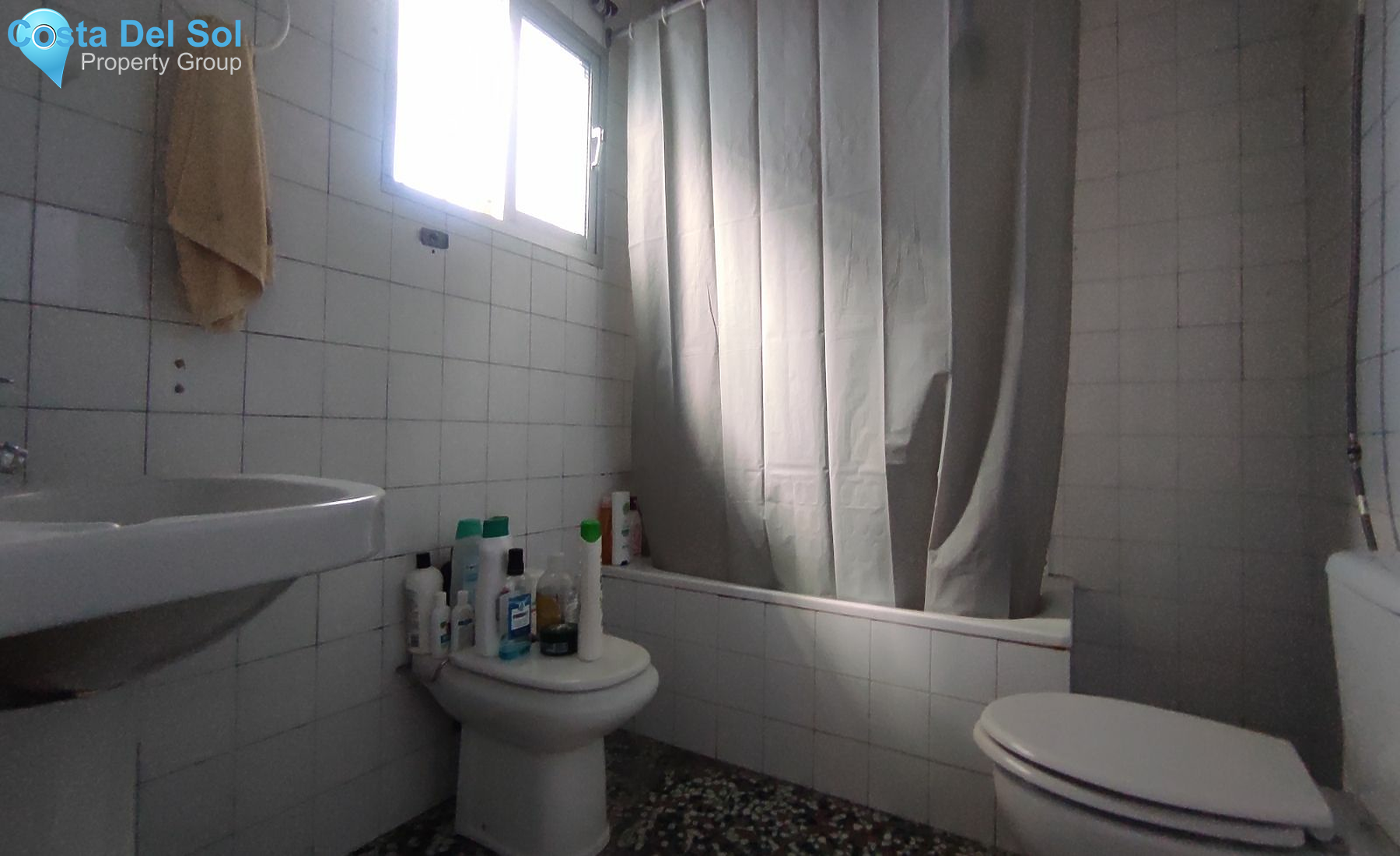
On the top floor there are 3 bedrooms, a kitchen-dining room, living room, bathroom and two extra rooms (currently used as storage rooms) from which there is access to a roof terrace with partial views of the mountains and the village.
The property has many possibilities.
It is currently a house plus a business but could easily be converted into a large garage.
The property is habitable, although in need of renovation.
Close to all amenities, restaurants, schools, etc.
Features
- Fitted Wardrobes,Near Transport,Private Terrace,Solarium,Storage Room
Property video
Location
- Area: Málaga
- Town: Alhaurín el Grande
Current Weather in Alhaurín el Grande
Taxes & Fees
Notice: Trying to access array offset on value of type bool in /var/www/clients/client5/web6/web/Global-Includes/footer.php on line 1