Property details
- Property ID: CDS23190
- Price: € 265,000
- Plot Size: 0 m2
- Built Size: 420 m2
- Terrace Size: 0 m2
- Bedrooms:
- Bathrooms: 0
- Property Type: Office
Notice: Trying to access array offset on value of type bool in /var/www/clients/client5/web6/web/property.php on line 328
Notice: Trying to access array offset on value of type bool in /var/www/clients/client5/web6/web/property.php on line 328
- Kitchen: Not Fitted
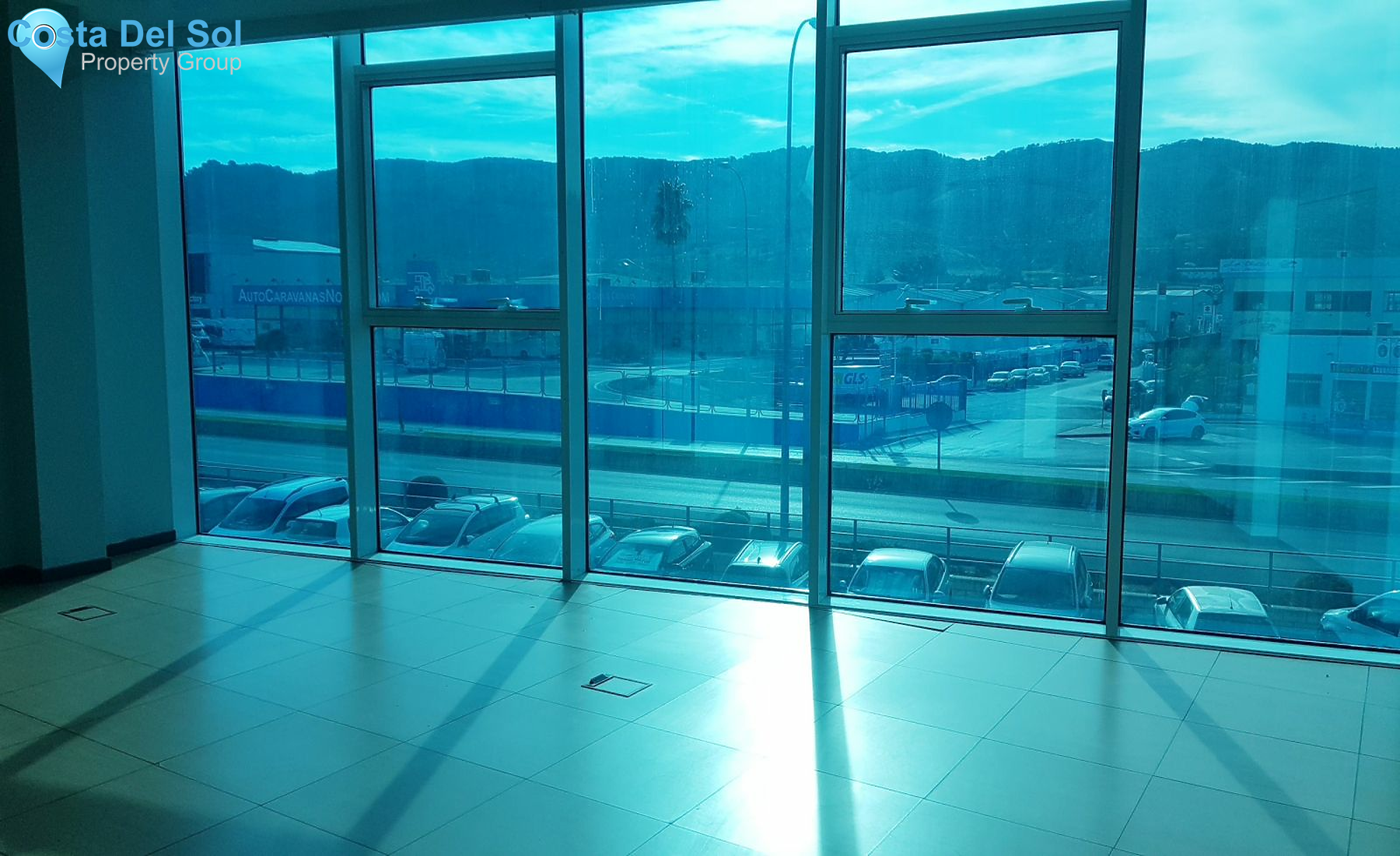
- Views: Urban,Street
- Parking: Underground,Street
- Security: Alarm System,24 Hour Security
- Furniture: Not Furnished
Setting
- Commercial Area,Close To Town
Description
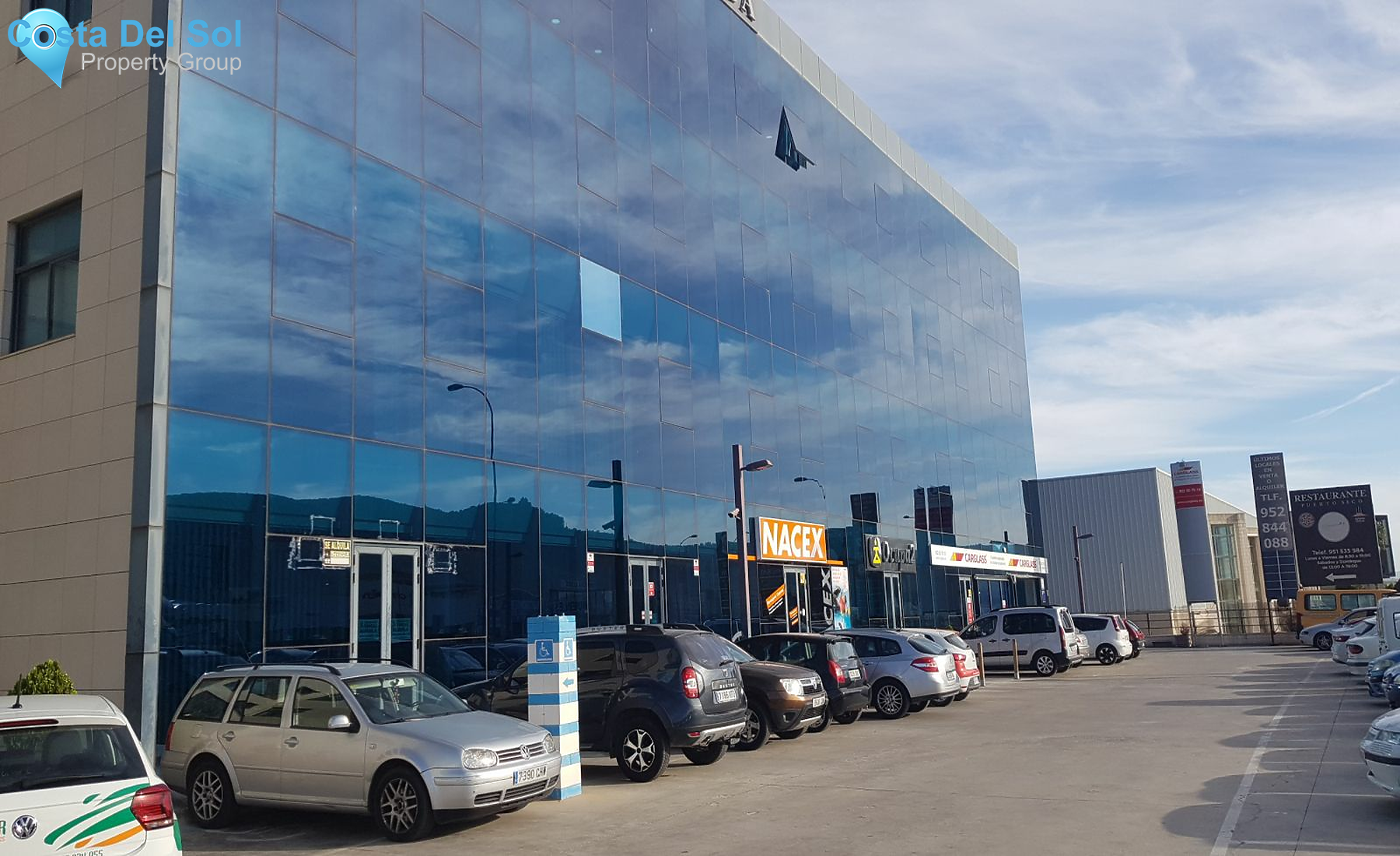
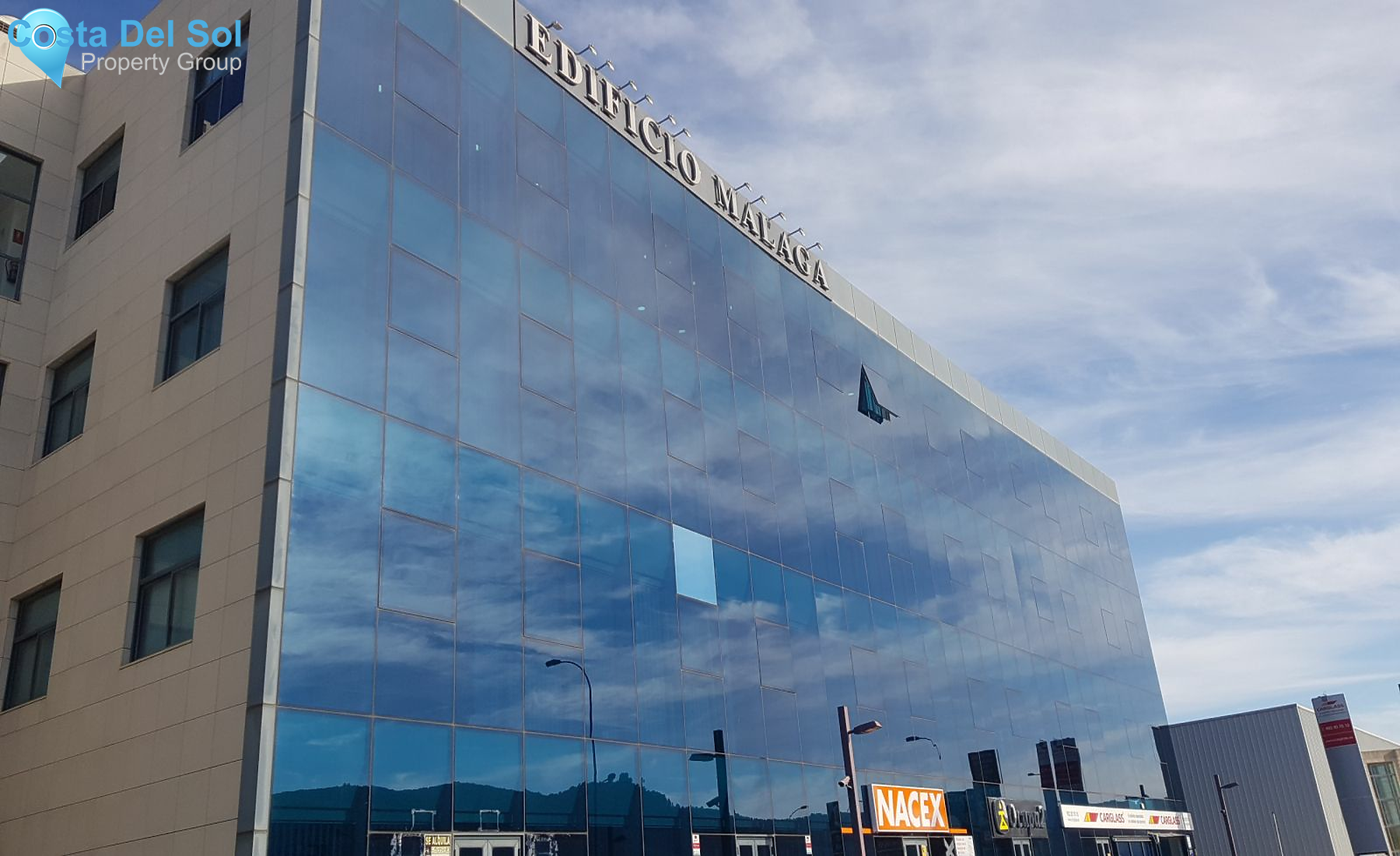
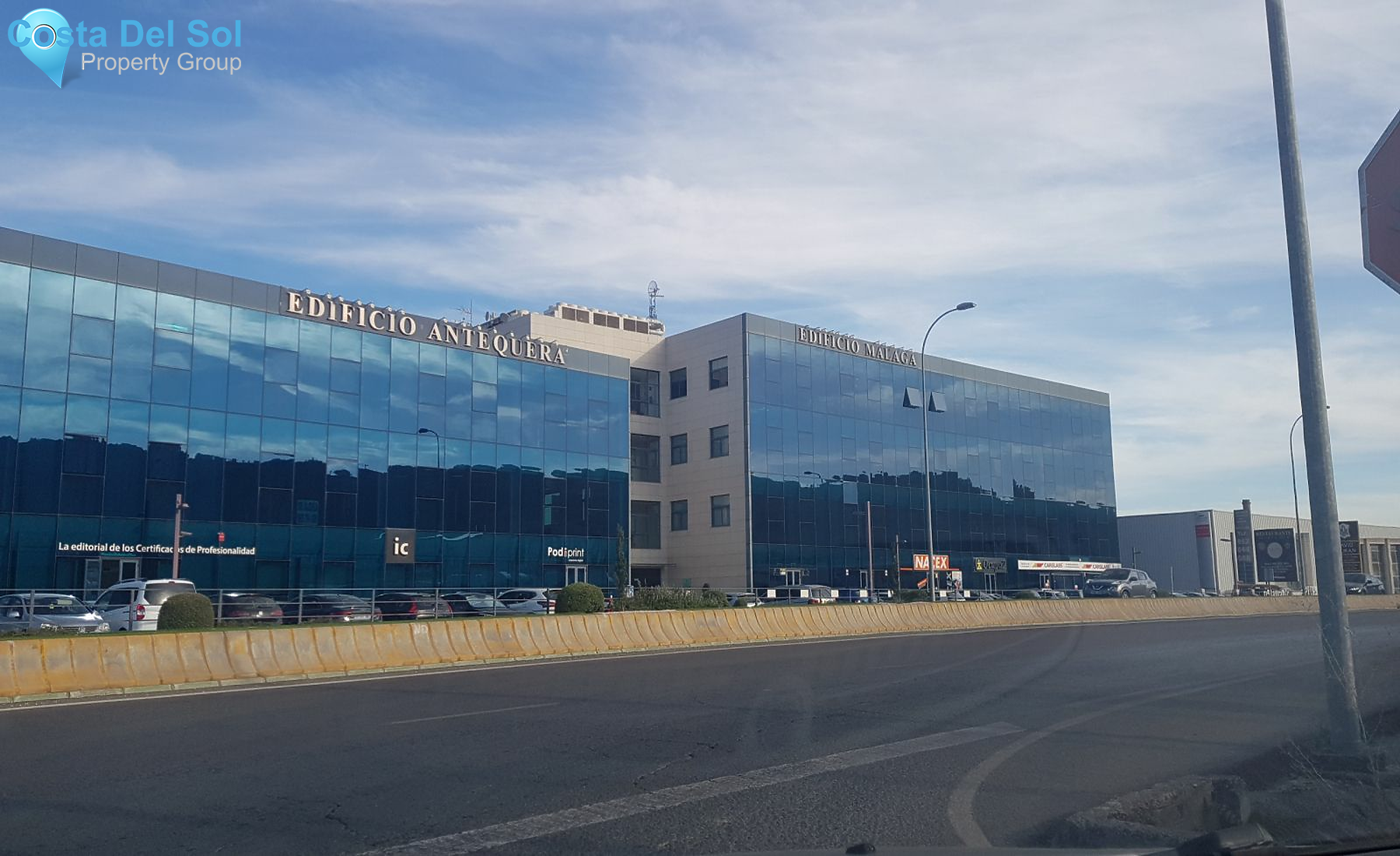
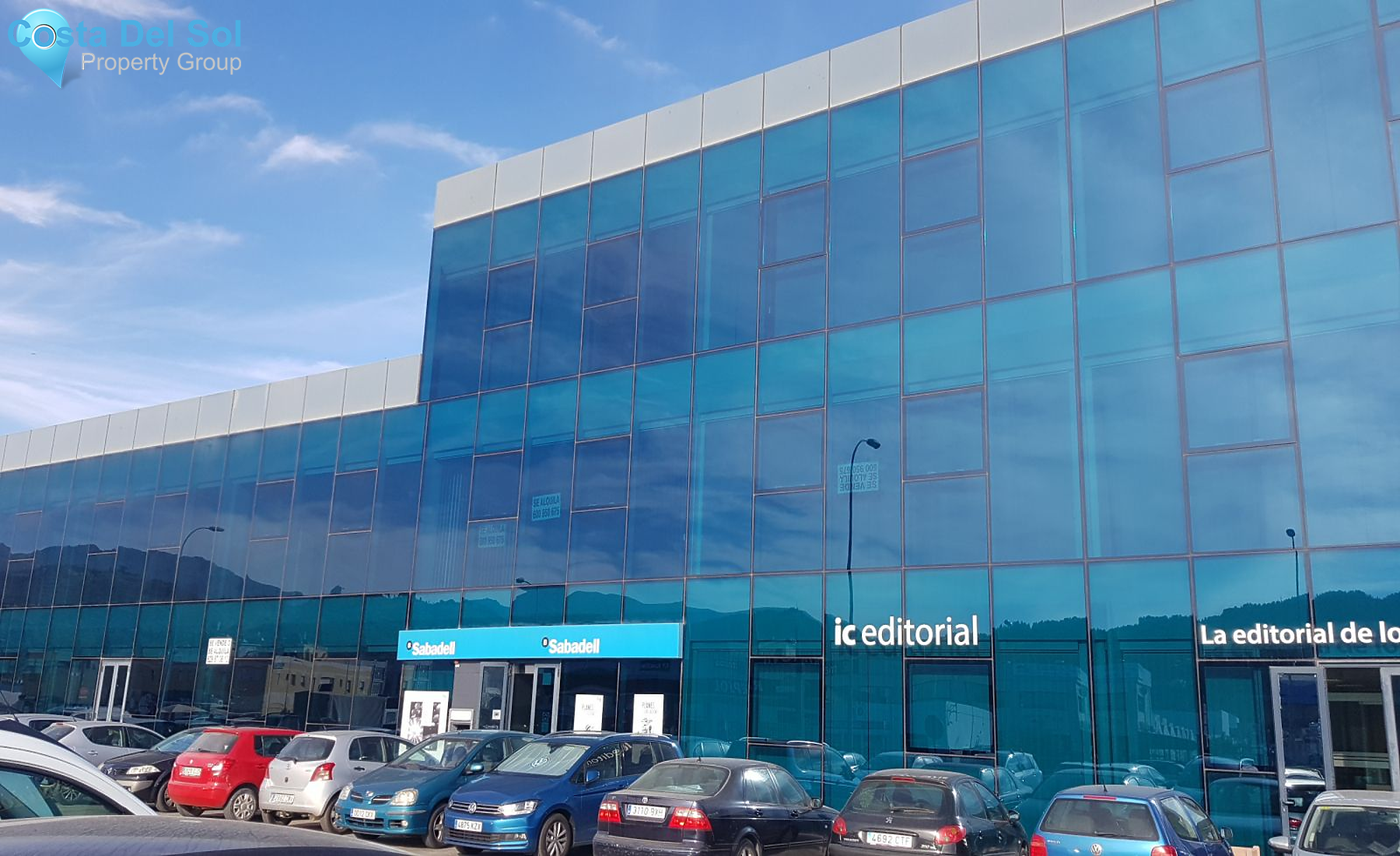
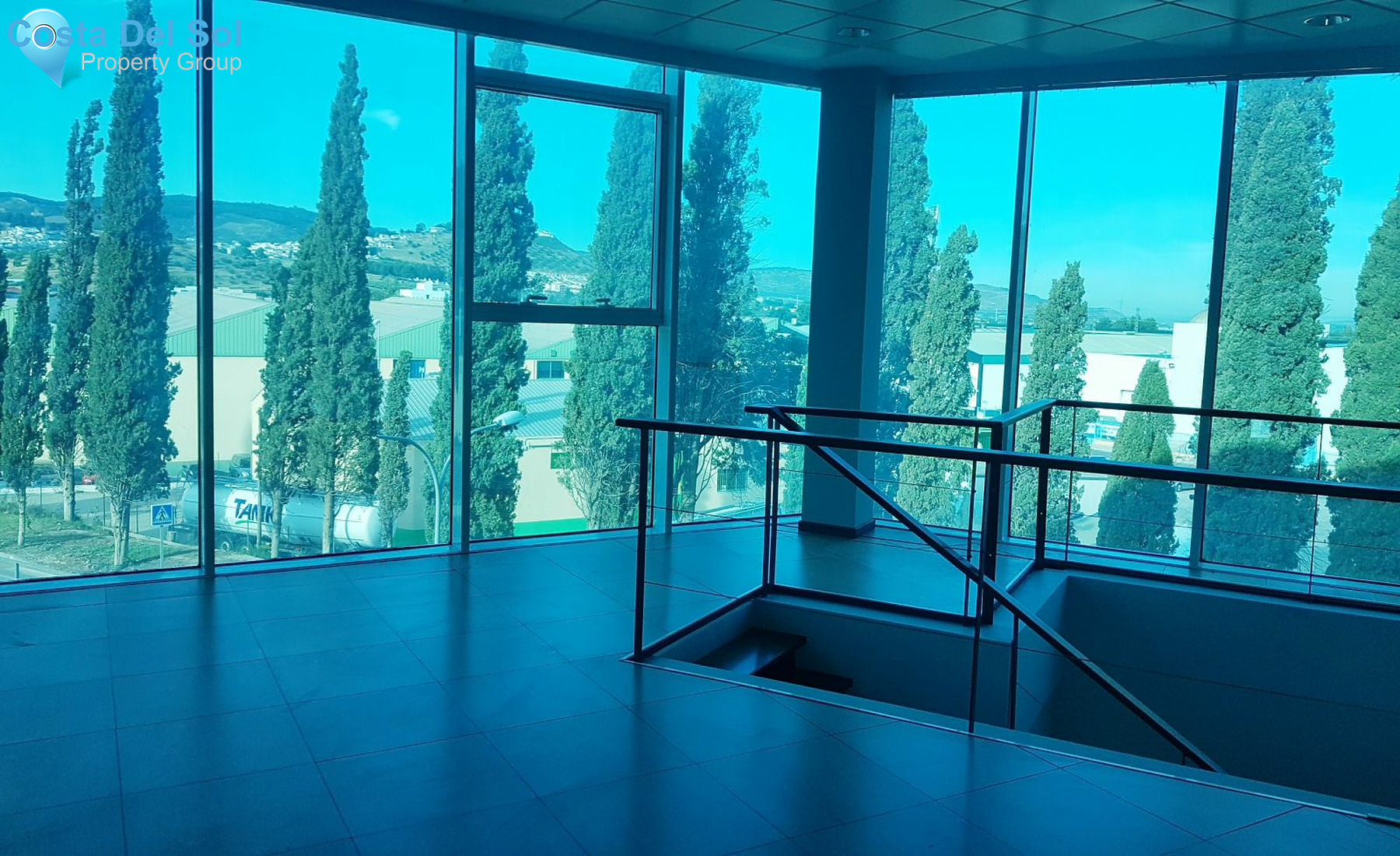
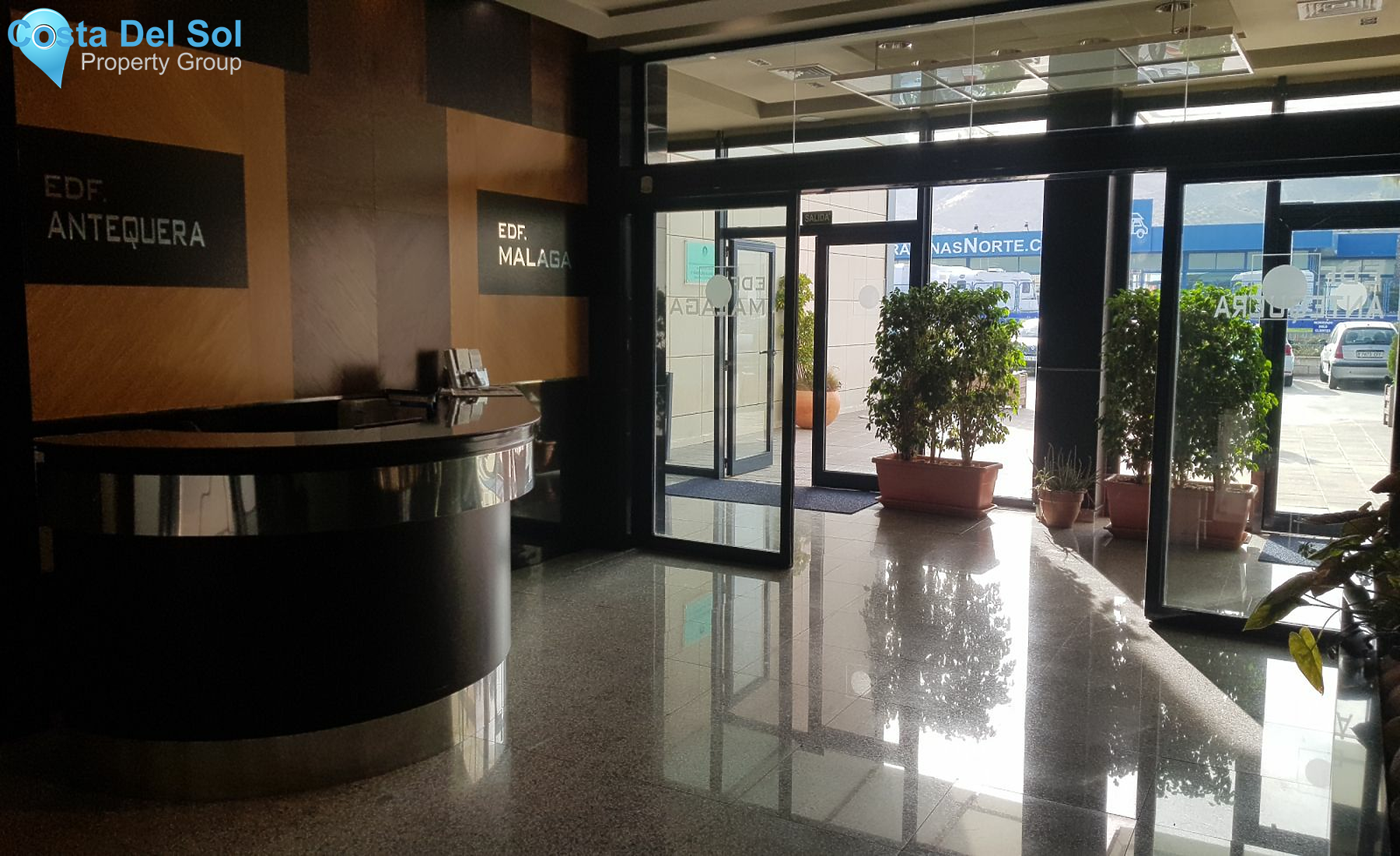
Investment Opportunity - Large modern office situated on the corridor to Malaga, Seville, Cordoba and Cadiz.
This large modern office building is ideally located for access into the major cities in Andalucía and to the north of Spain.
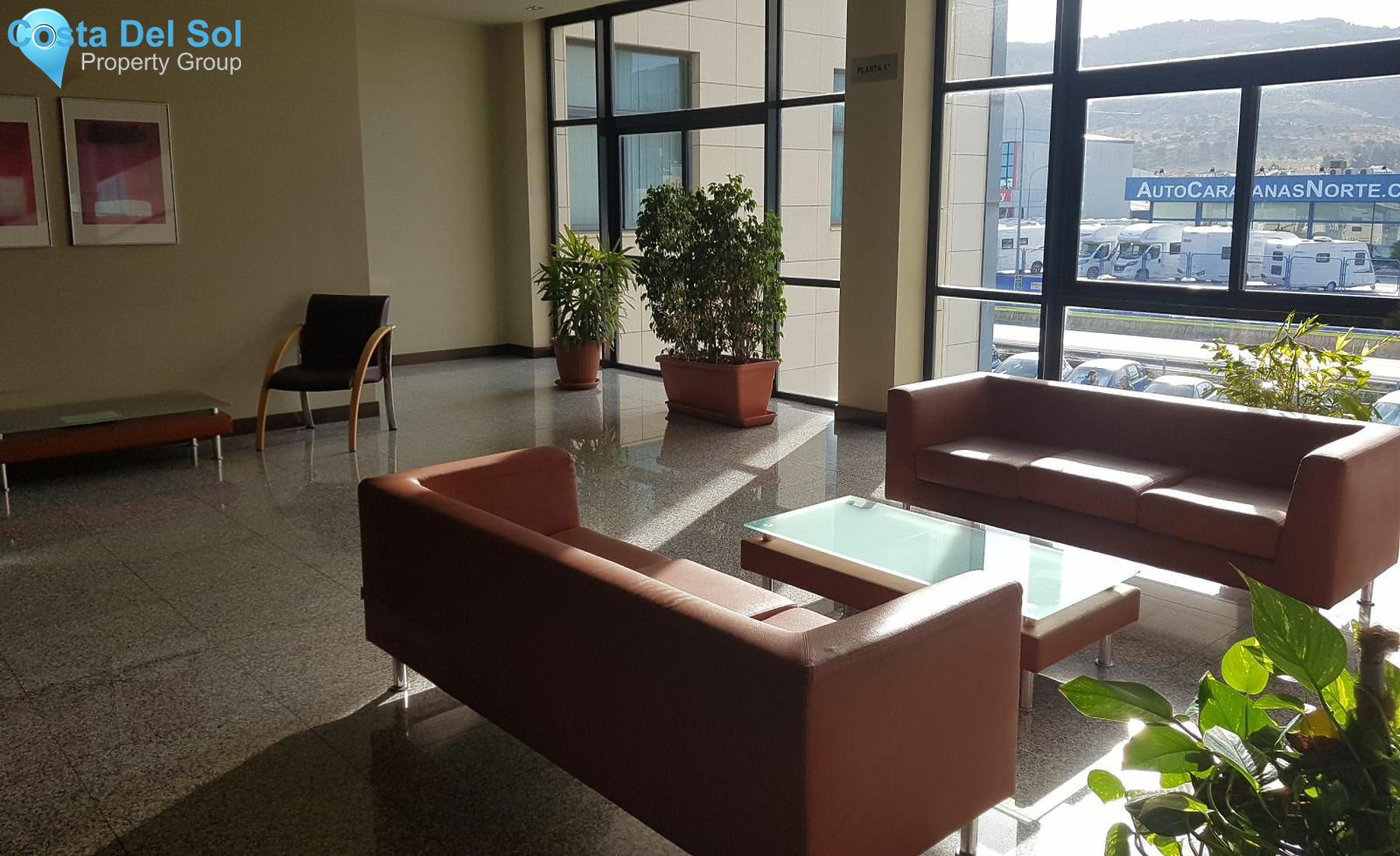
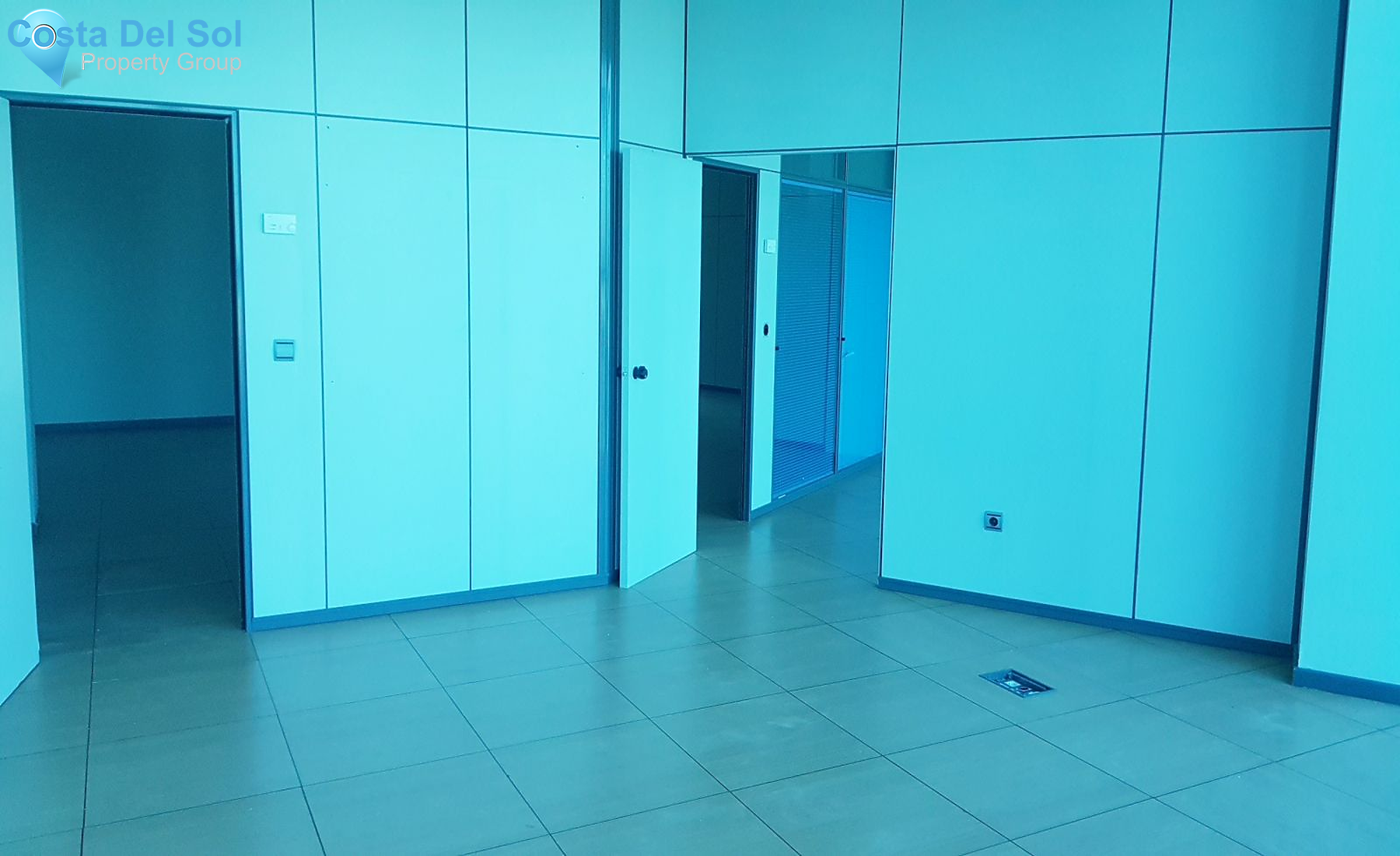
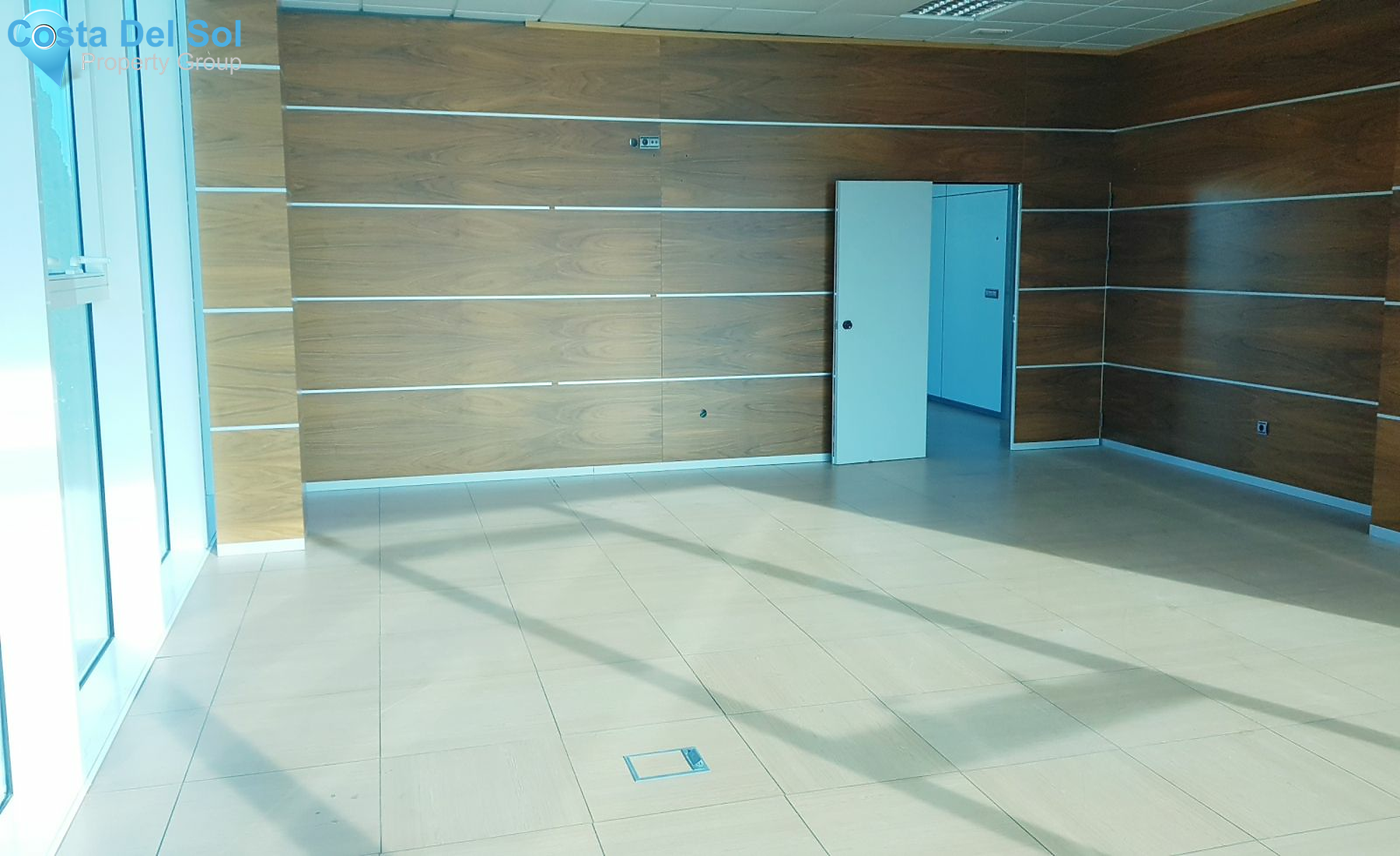
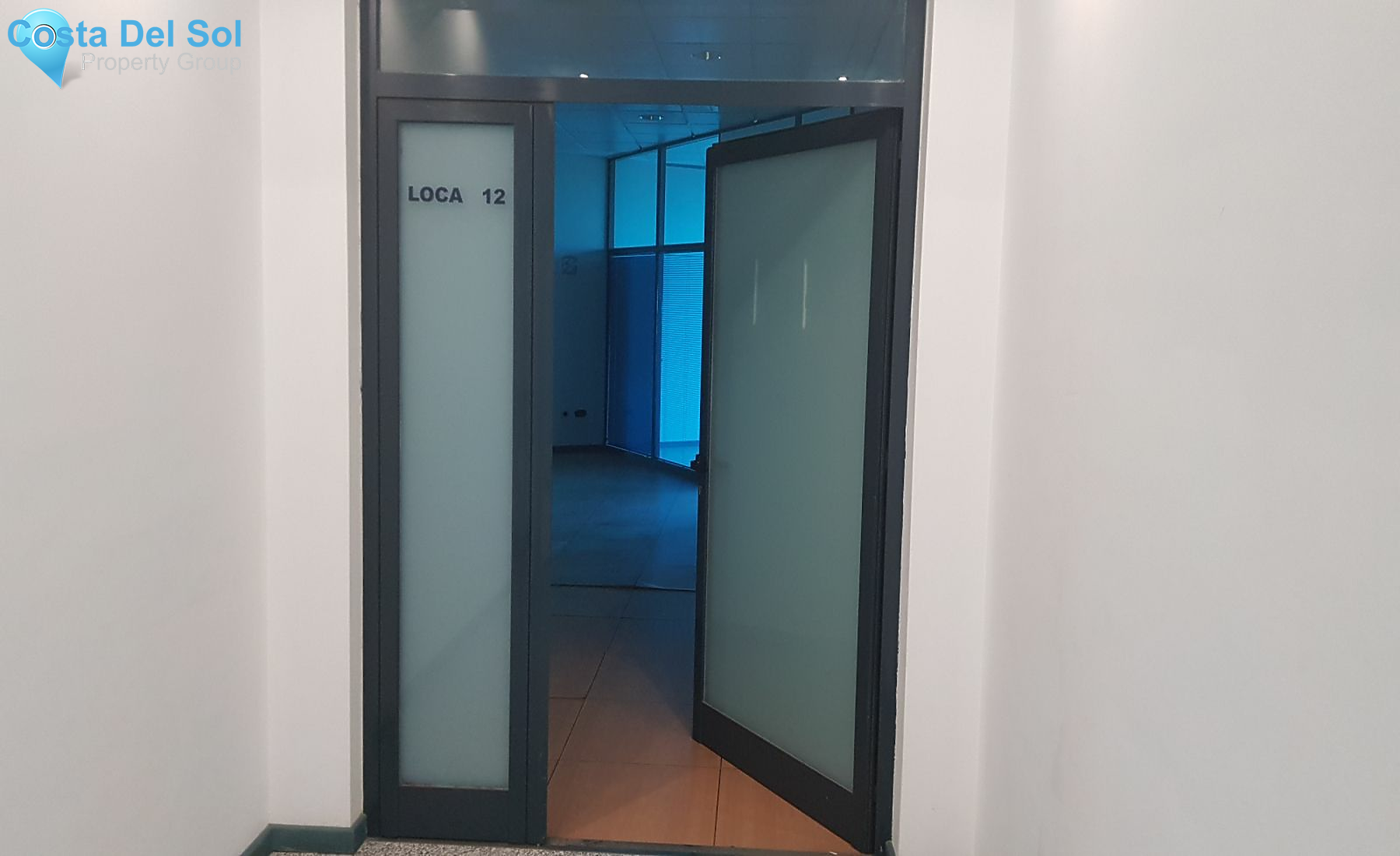
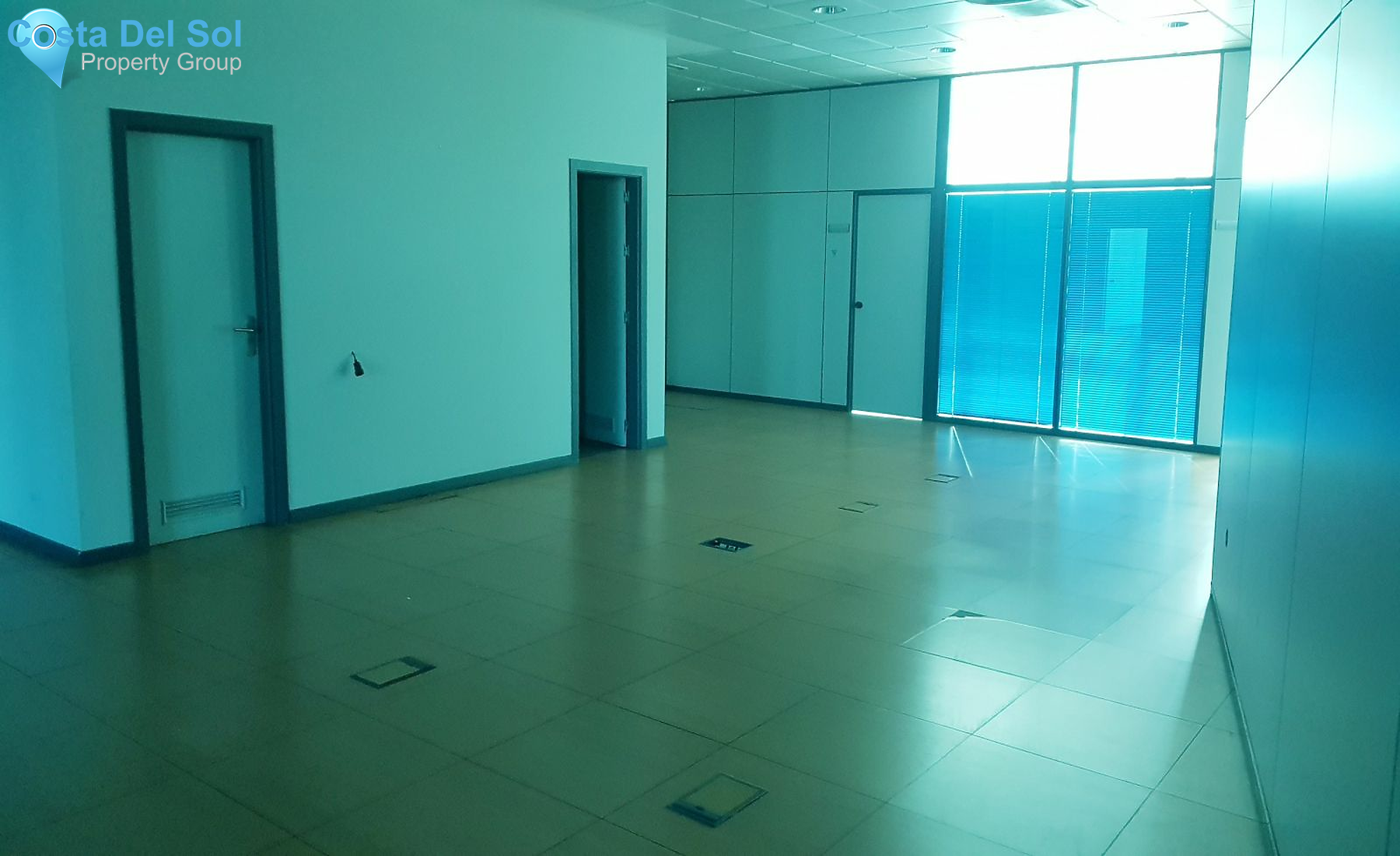
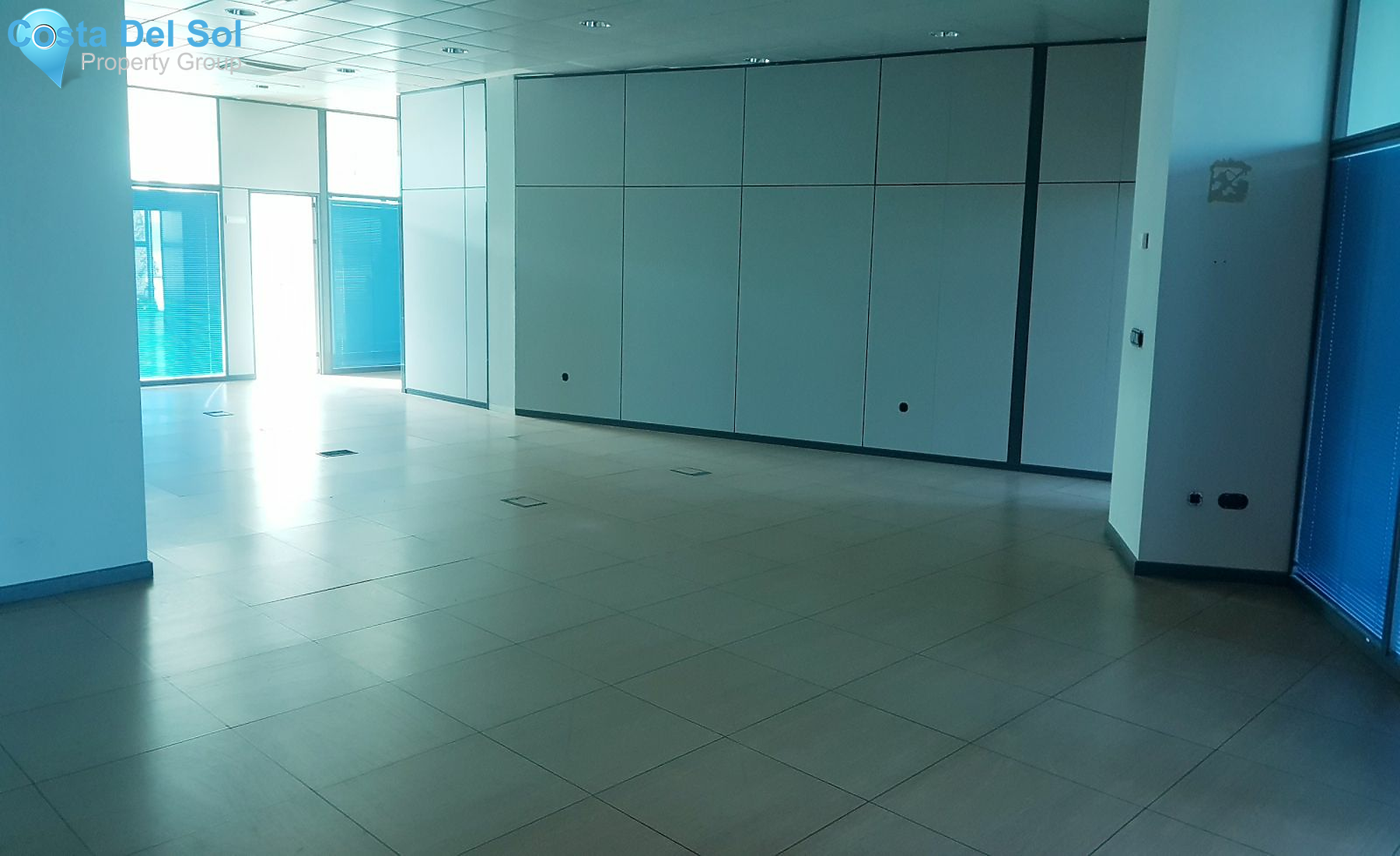
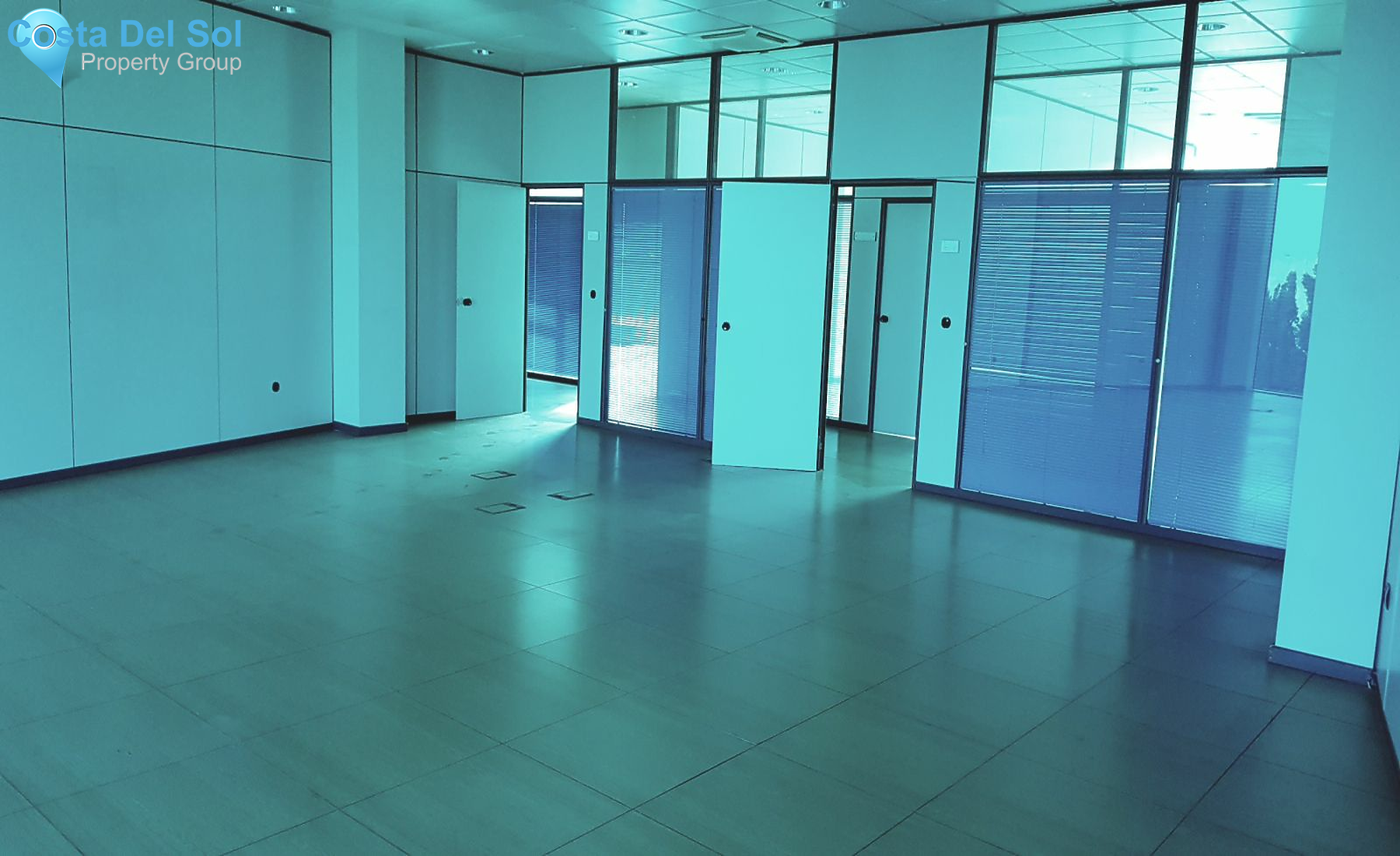
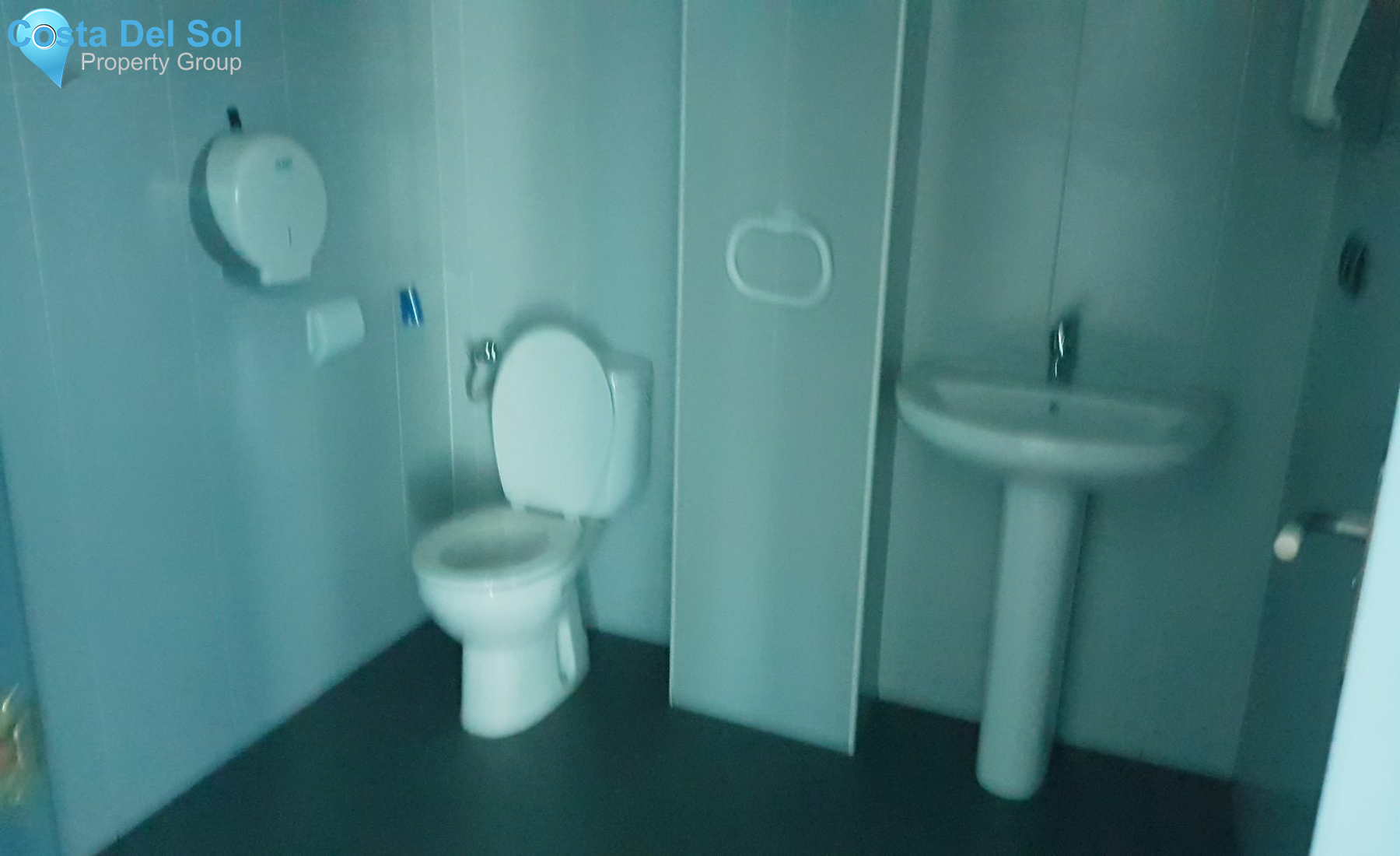
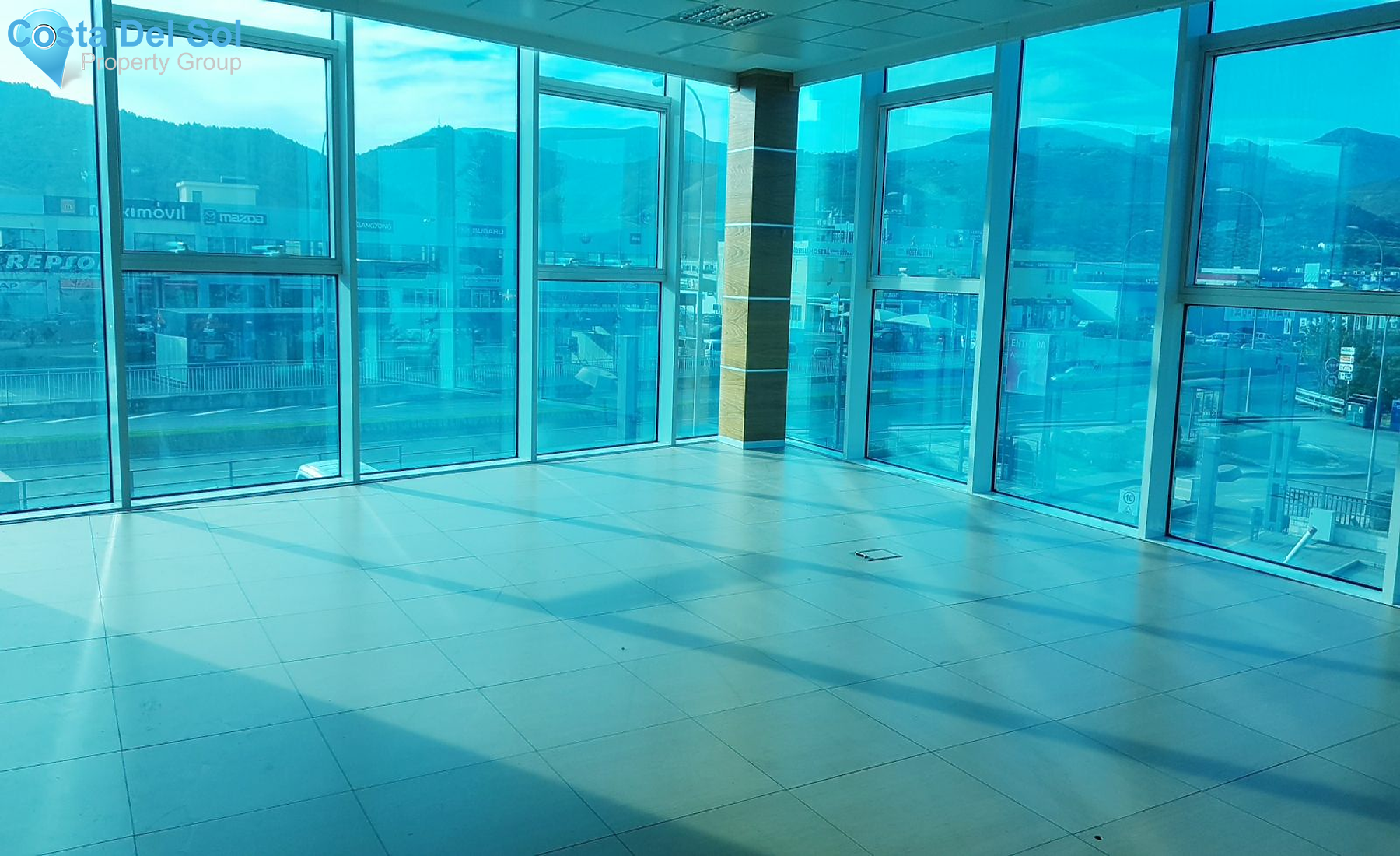
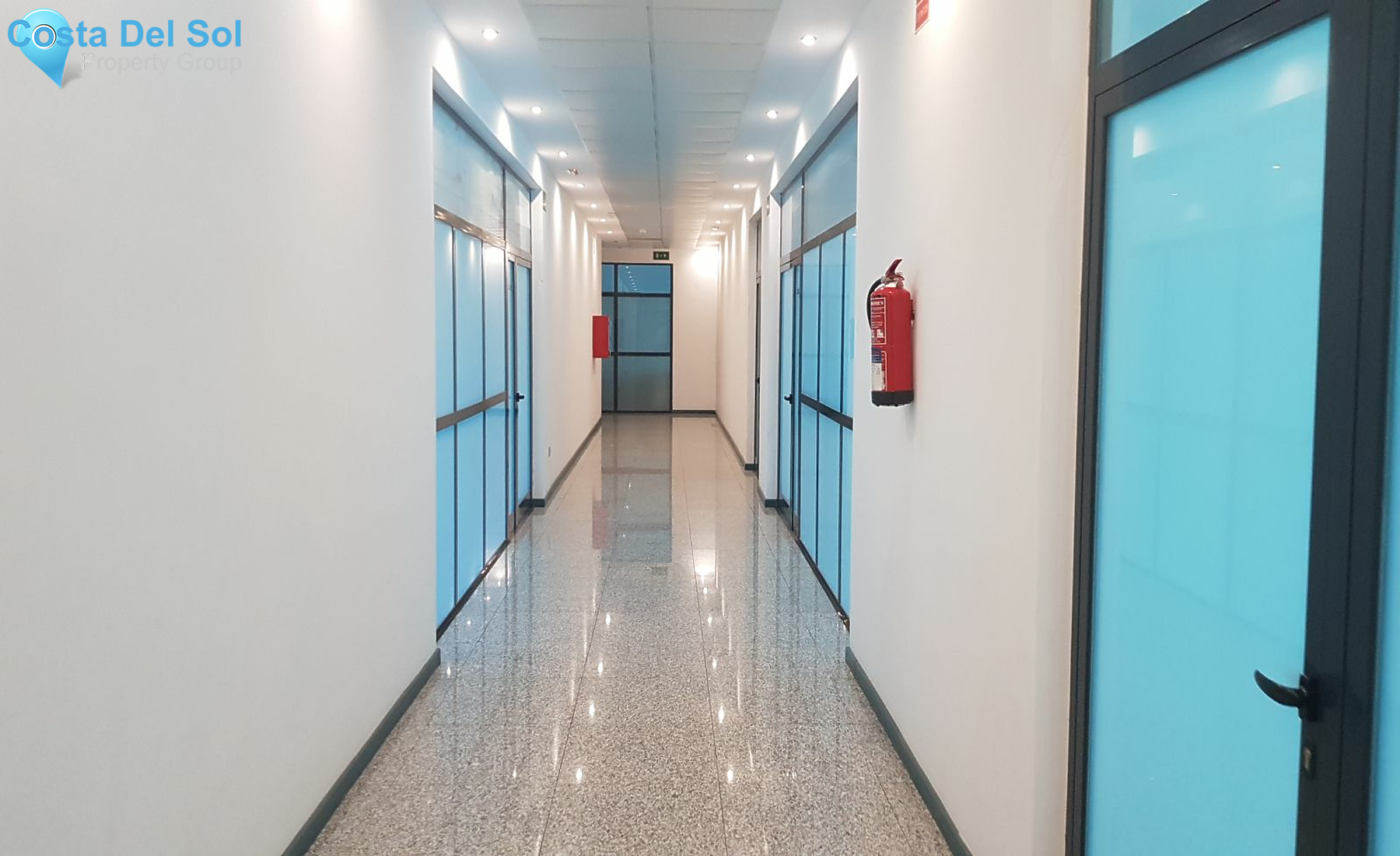
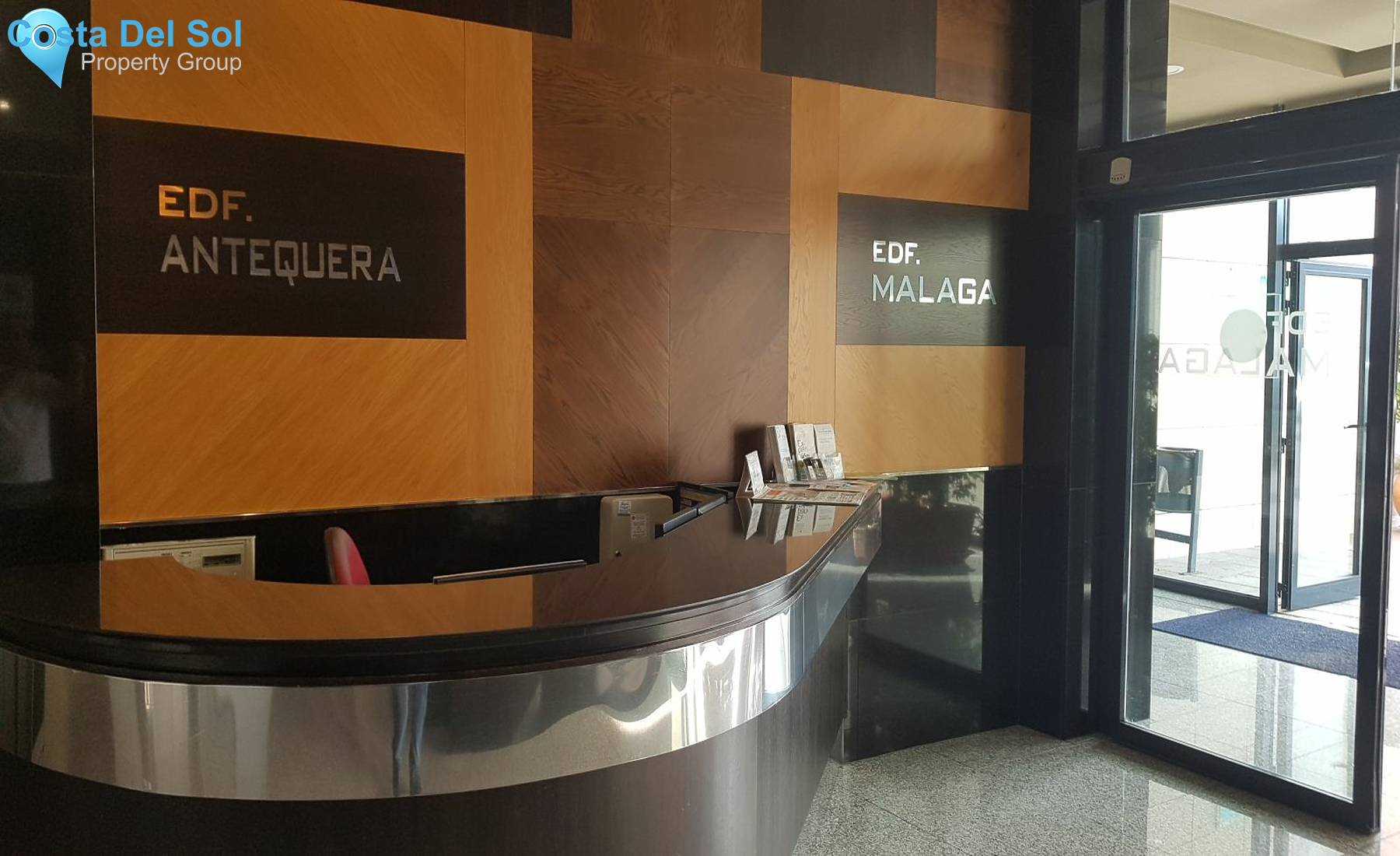
Situated in the technology park of Antequera, the office has nearly 500m2 of floor space and offers a large modern entrance area, kitchen, bathrooms and separate meeting rooms.
Previously used as one of the main branches for a well known bank, it is possible to create a large telesales area, client meeting rooms and administration rooms.
Great opportunity for a rental investment or to run your own business.
Features
- Lift,Near Transport,WiFi,Double Glazing,24 Hour Reception,Fiber Optic
Property video
Location
- Area: Málaga
- Town: Antequera
Current Weather in Antequera
About:
Antequera (Spanish pronunciation: [anteˈkeɾa]) is a city and municipality in the Comarca de Antequera, province of Málaga, part of the Spanish autonomous community of Andalusia.
It is known as "the heart of Andalusia" (el corazón de Andalucía) because of its central location among Málaga, Granada, Córdoba, and Seville.
The Antequera Dolmens Site is a UNESCO World Heritage site.
In 2011, Antequera had a population of 41,854.
It covers an area of 749.34 km2 with a population density of 55.85 inhabitants/km2, and is situated at an altitude of 575 meters.
There is also a very small town named "Gloriano" in the bottom of Antequera.
Antequera is the most populous city in the interior of the province and the largest in area.
It is the twenty-second largest in Spain.
The city is located 45 km from Málaga and 115 km from Córdoba.
The cities are connected by a high-speed train and the A-45 motorway.
Antequera is 160 km from Seville and 102 km from Granada, which is connected by motorway A-92 and high-speed rail.
Due to its strategic position in transport and communications, with four airports located approximately one hour away and the railway running from the Port of Algeciras, Antequera is emerging as an important centre of transportation logistics, with several industrial parks, and the new Logistics Centre of Andalusia (Centro Logístico de Andalucía).
In addition, the Vega de Antequera, watered by the river Guadalhorce, is a fertile agricultural area that provides cereals, olive oil, and vegetables in abundance.
The nearby natural reserve of El Torcal, famous for its unstable limestone rocks, forms one of the most important karst landscapes in Europe.
It has an extensive archaeological and architectural heritage, highlighted by the dolmens of Menga, Viera, and El Romeral, and numerous churches, convents, and palaces from different periods and in different styles.
Antequera played a role in the rise of Andalusian nationalism: it was the site of the drafting of the Federal Constitution of Antequera in 1883, and also of the so-called Pact of Antequera in 1978, which led to the achievement of autonomy for Andalusia.
It was considered as a possible headquarters of the Andalusian government, but lost the vote in favor of Seville.
Taxes & Fees
Notice: Trying to access array offset on value of type bool in /var/www/clients/client5/web6/web/Global-Includes/footer.php on line 1
File does not exist. "https://costadelsolpropertygroup.com/propertyVideos/noVideo.mp4"