
Property details
- Property ID: CDS25396
- Price: € 349,000
- Plot Size: 2500 m²
- Built Size: 128 m²
- Terrace Size: 0 m²
- Bedrooms: 3
- Bathrooms: 1
- Property Type: House
Notice: Trying to access array offset on value of type bool in /var/www/clients/client5/web6/web/property.php on line 328
Notice: Trying to access array offset on value of type bool in /var/www/clients/client5/web6/web/property.php on line 328
Setting
Description
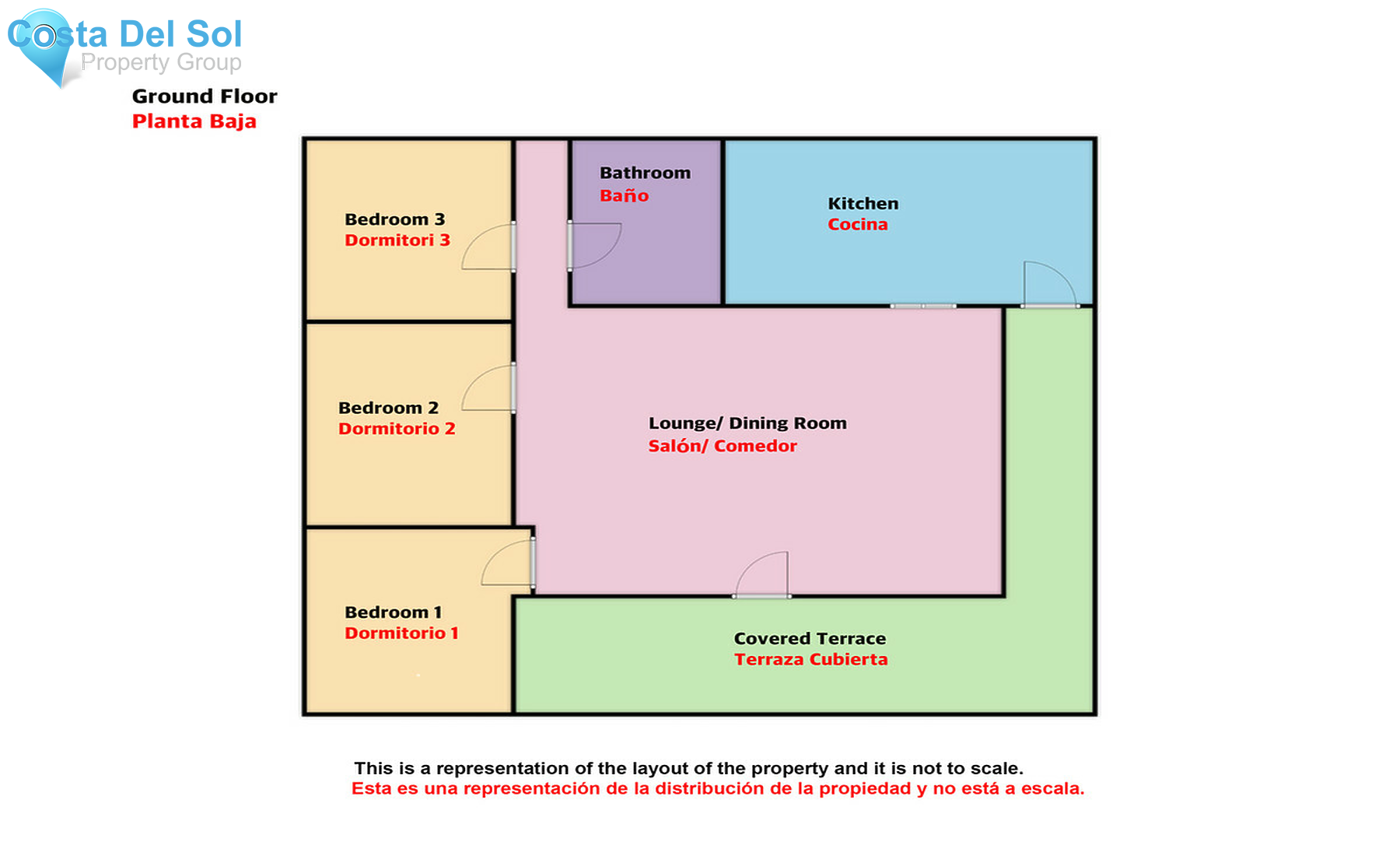
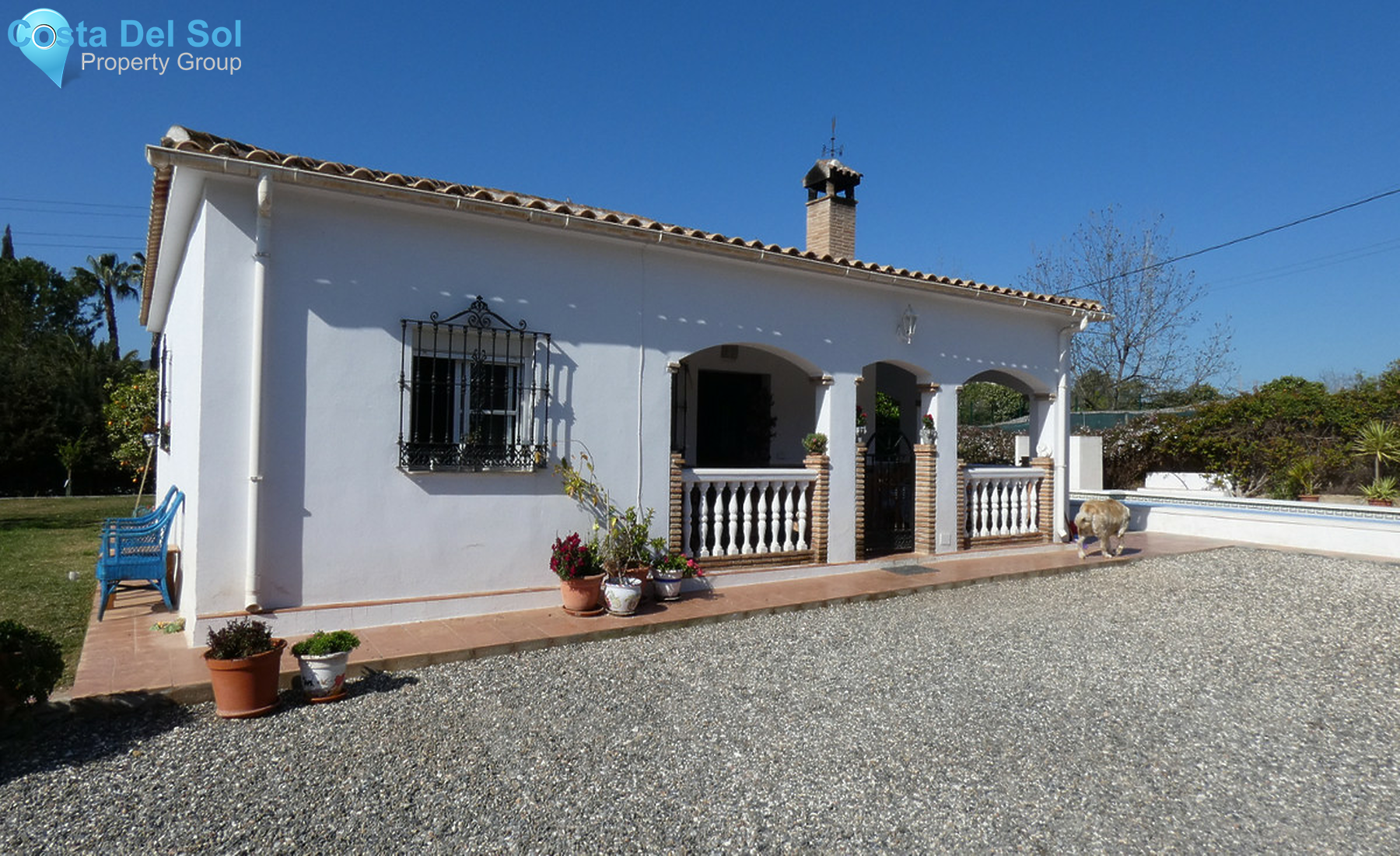
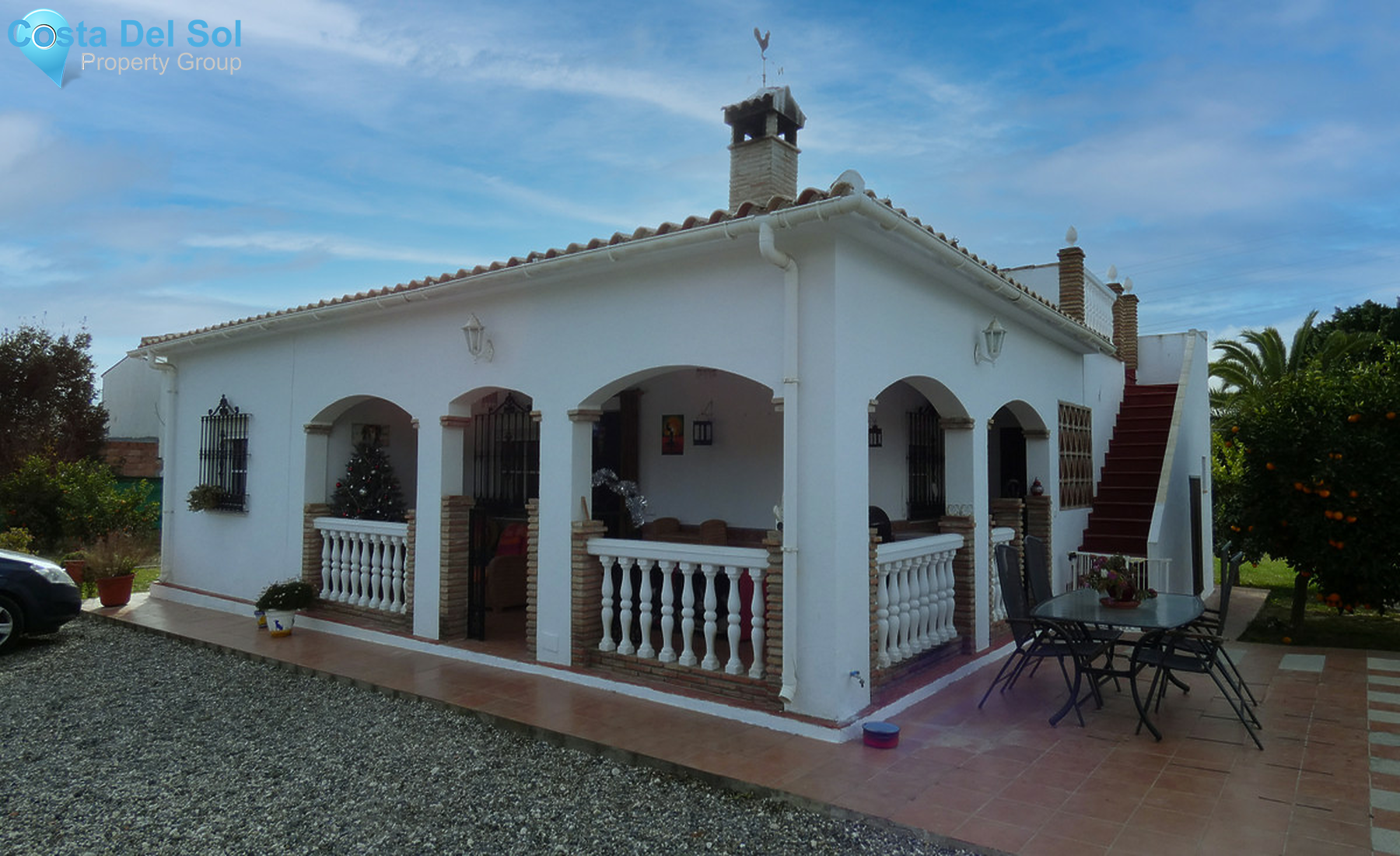
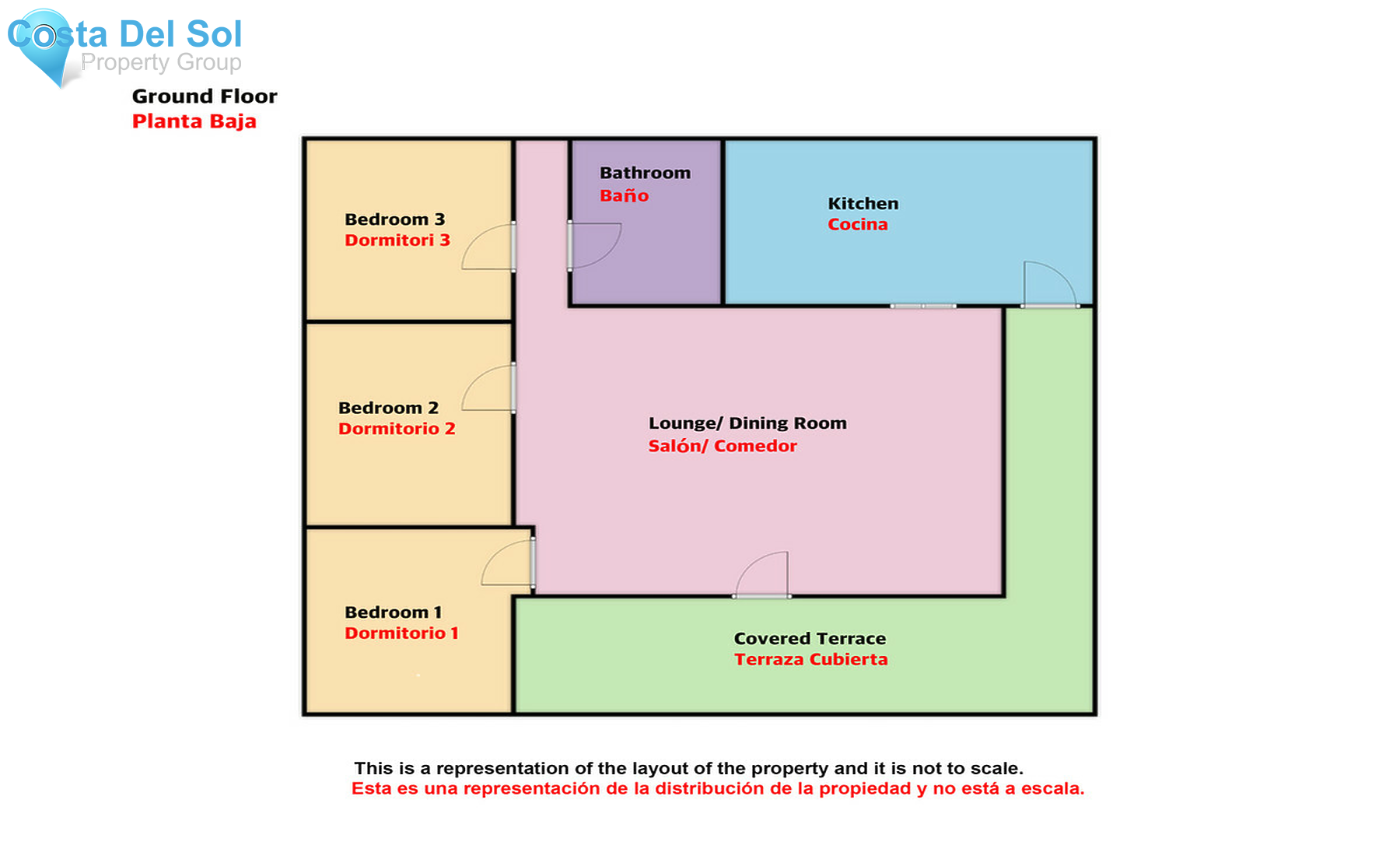
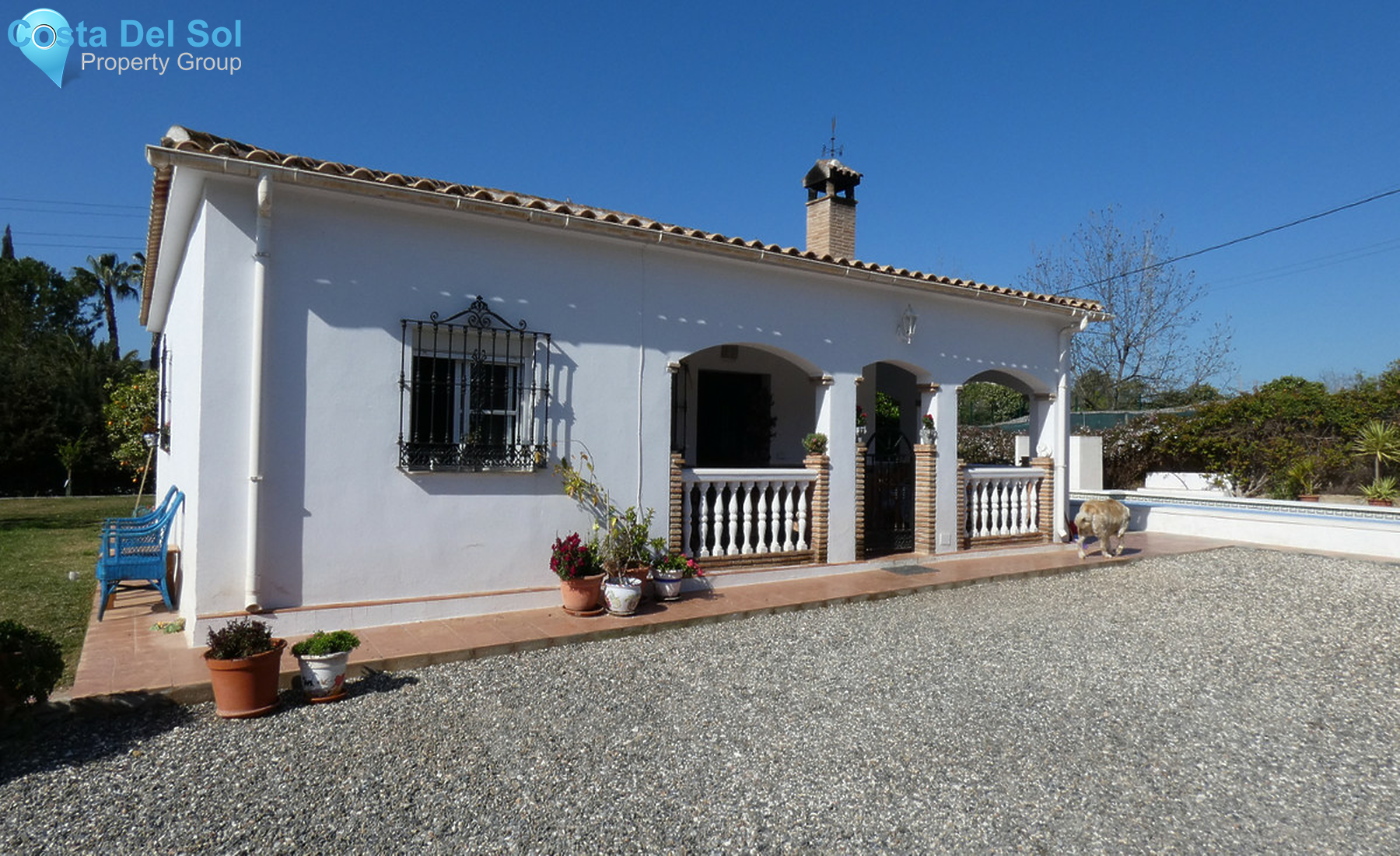
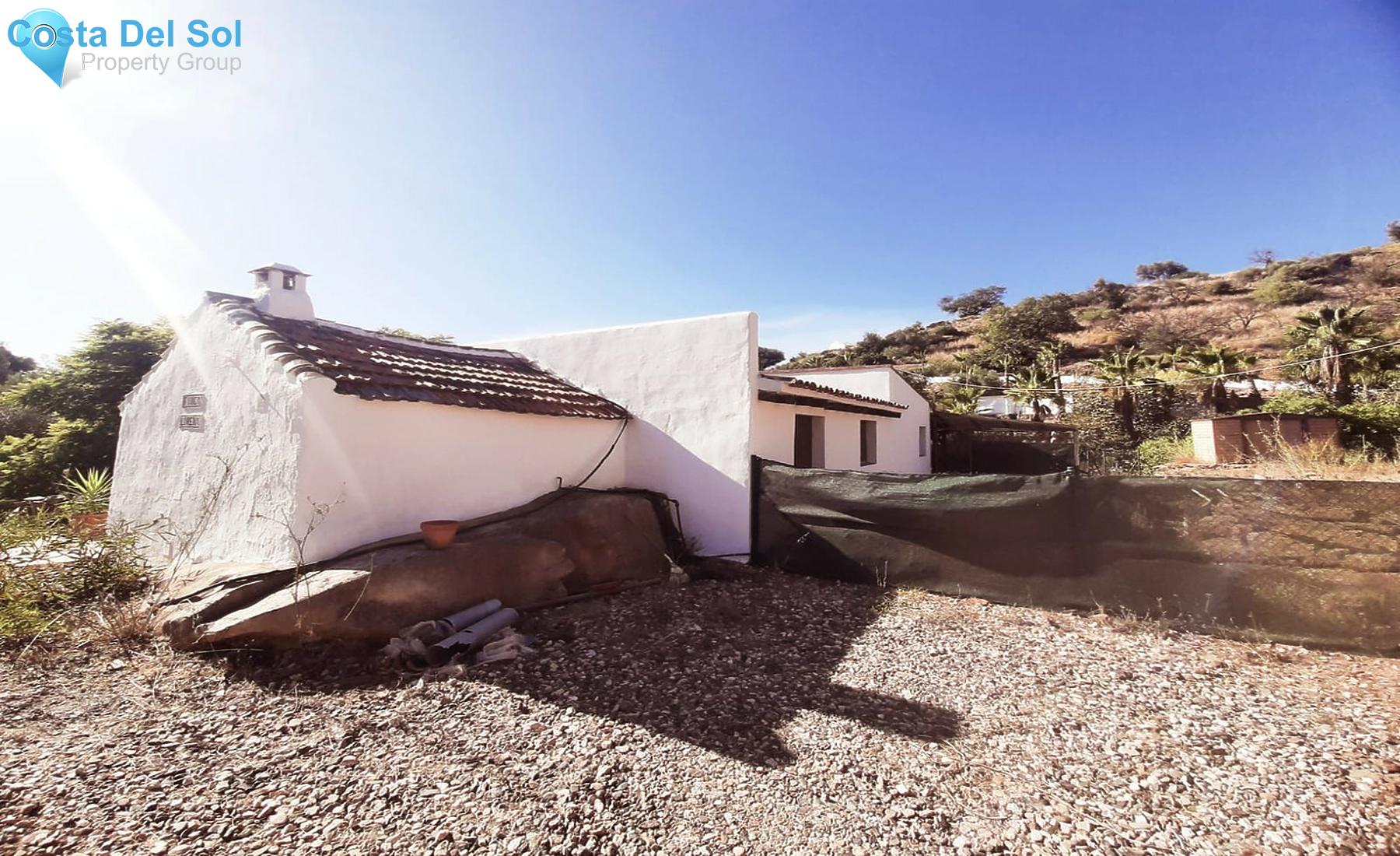
Wonderful country house located just outside the village of Villafranco.
The property is distributed over one floor and features a large roof terrace with stunning views towards the hills of Alhaurín el Grande.
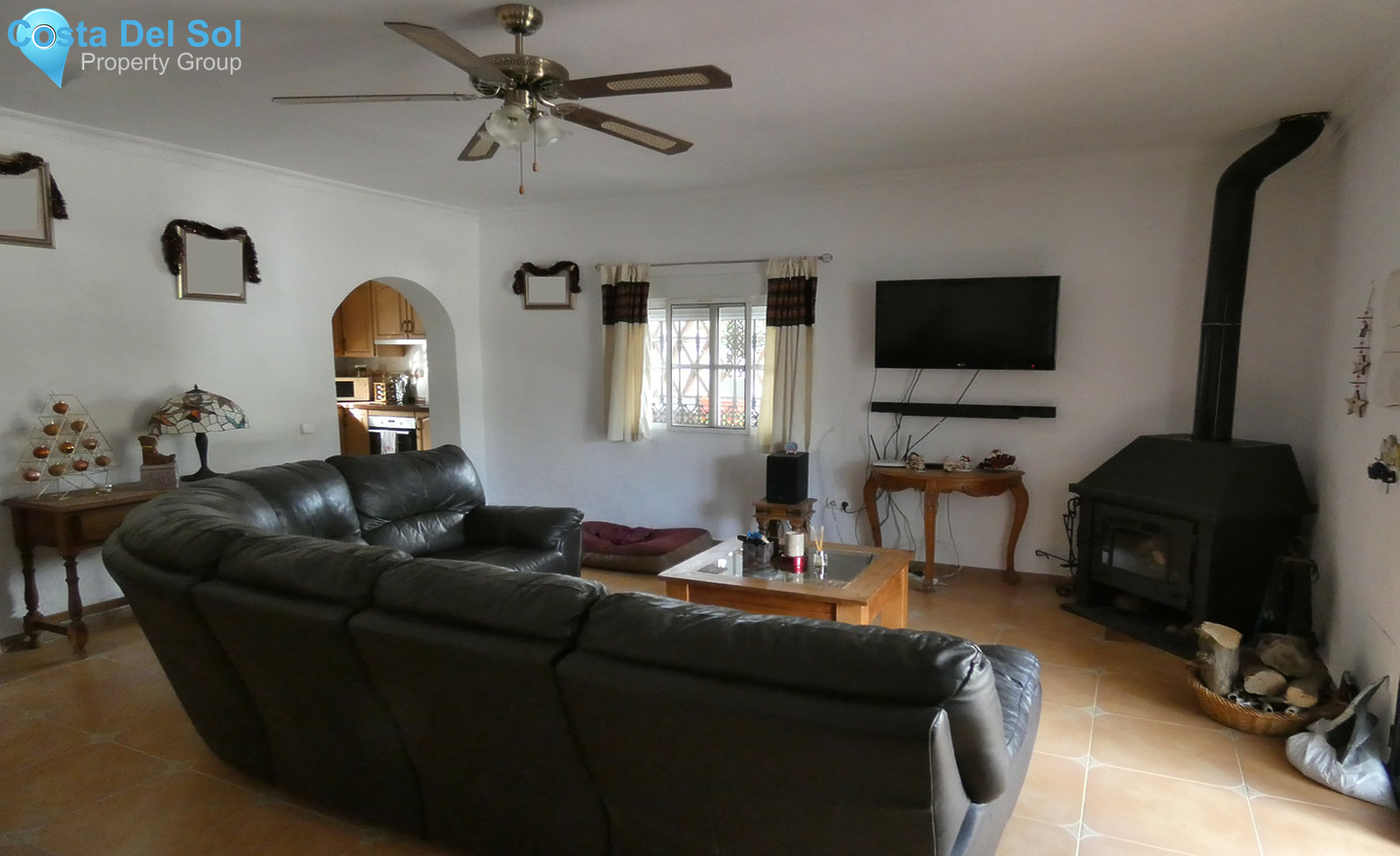
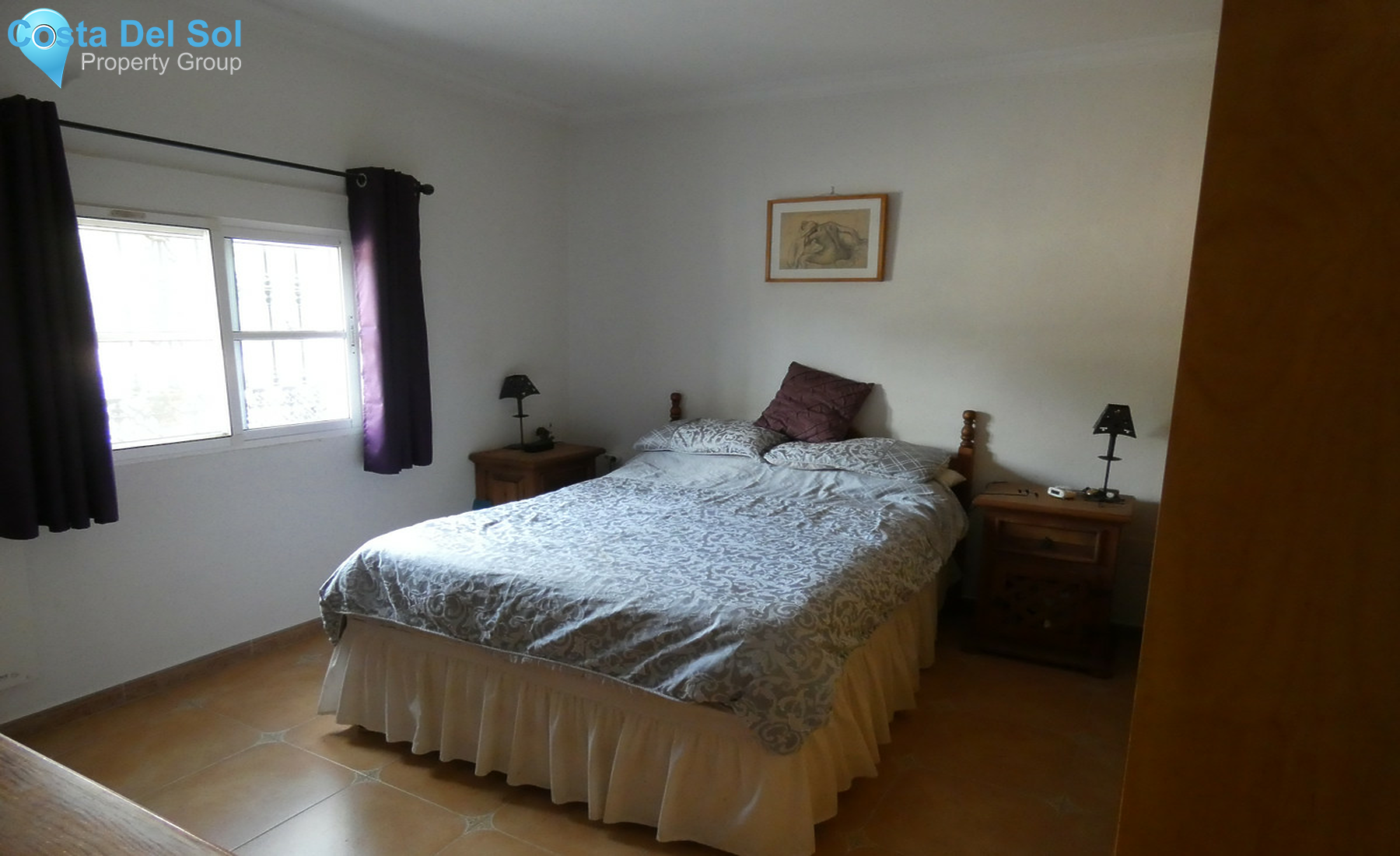
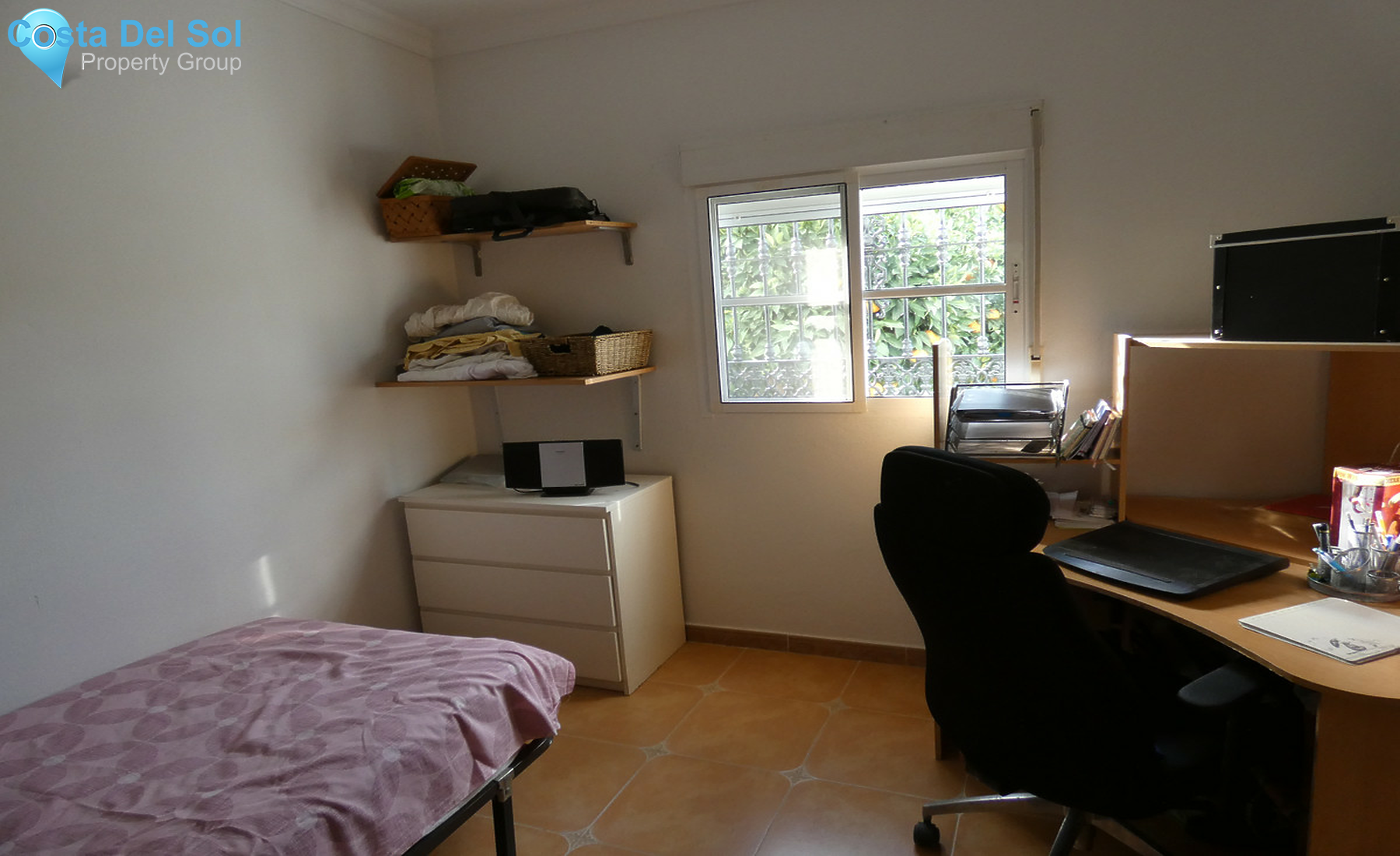
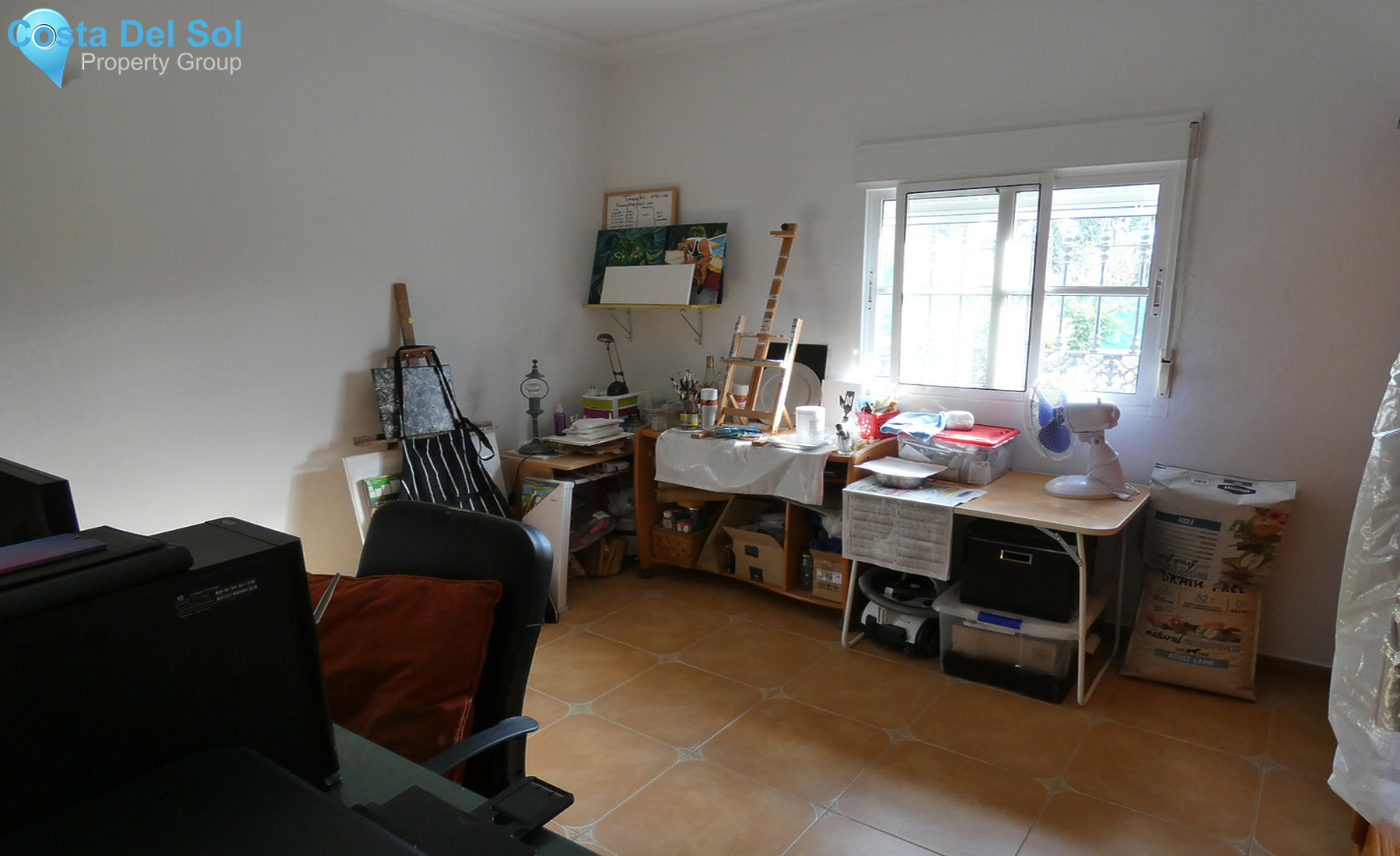
The property benefits from three double bedrooms which lead off the spacious living room, complete with a log burner.
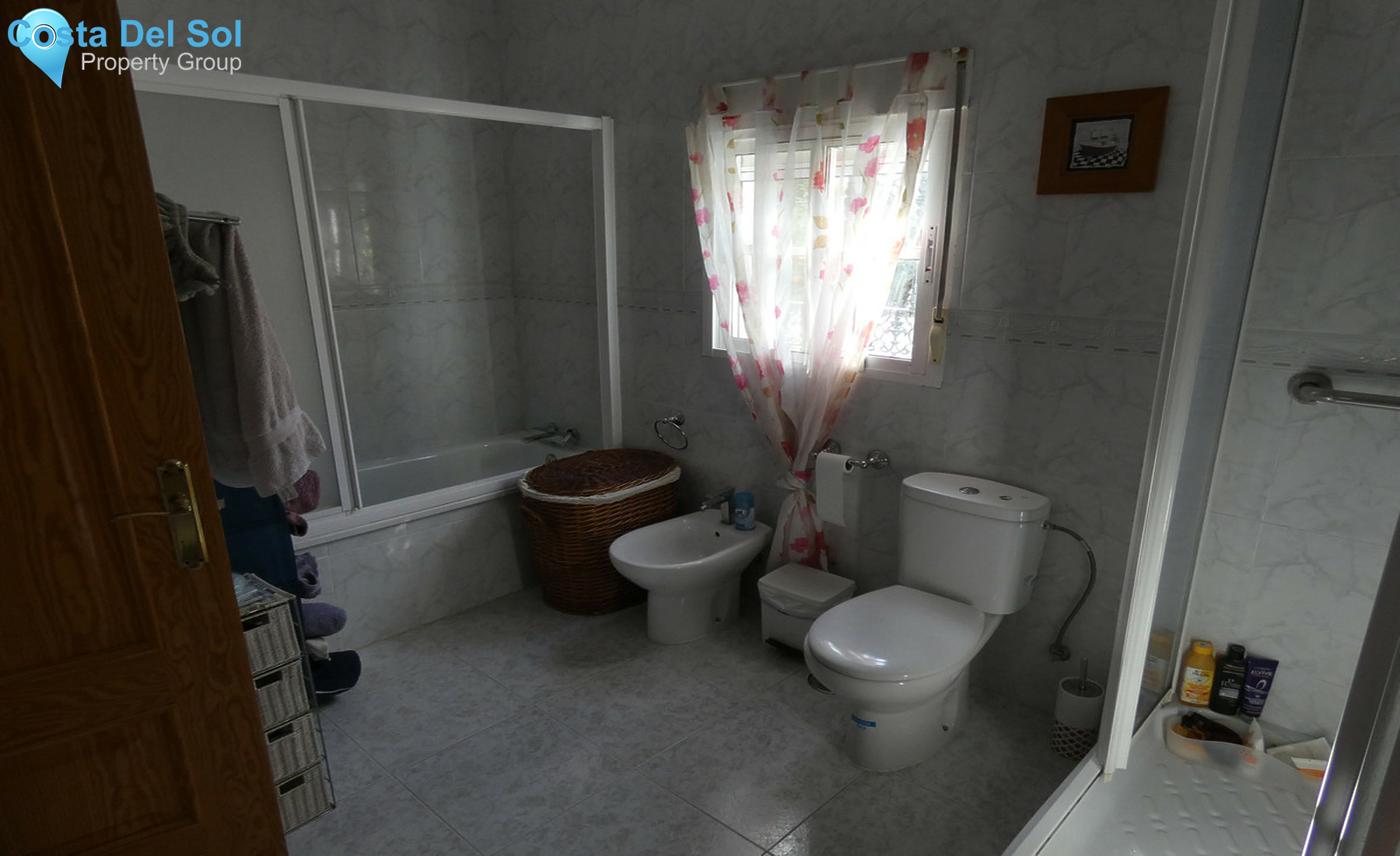
A spacious bathroom features both a standing shower and bath.
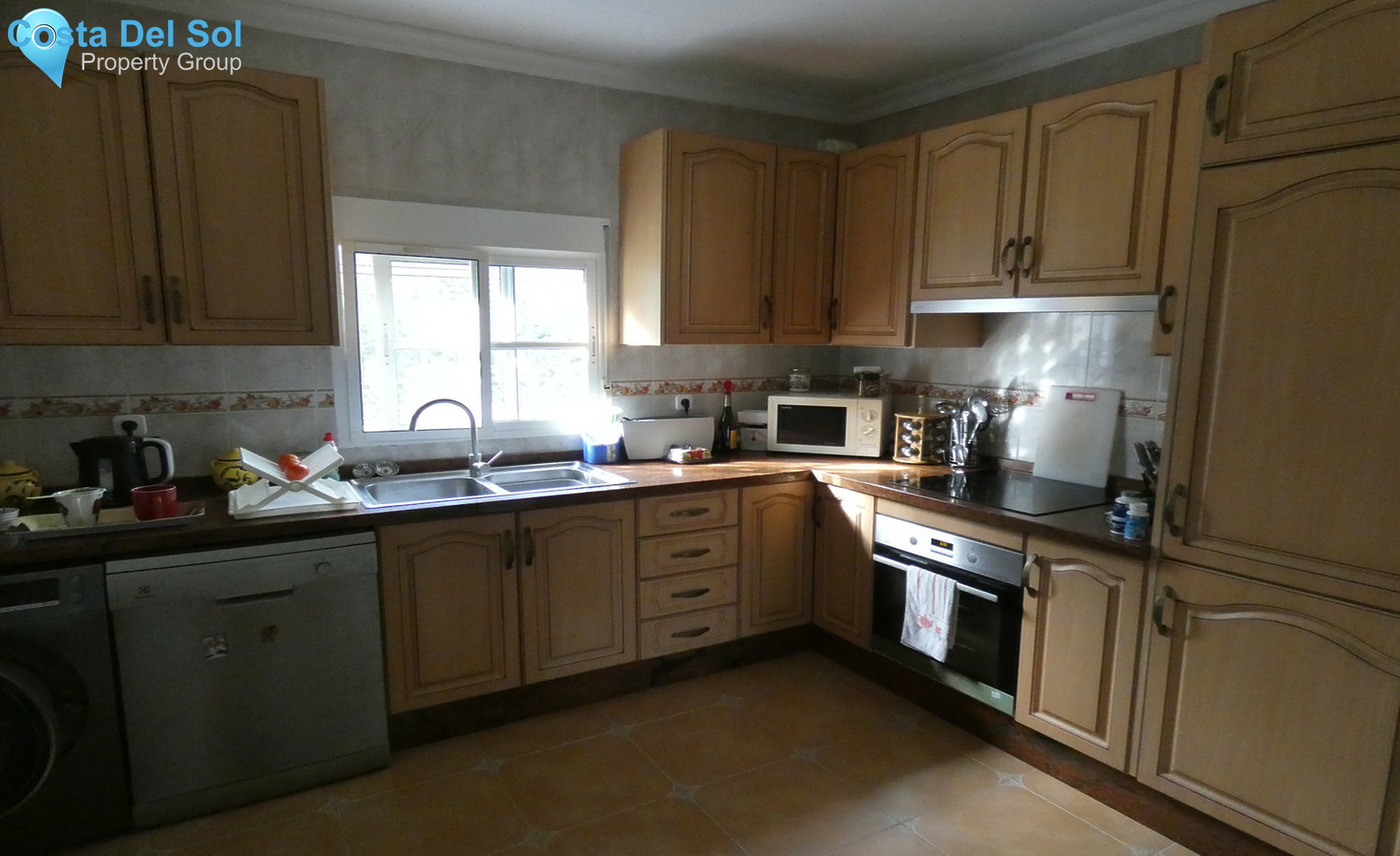
There is also a fully fitted kitchen.
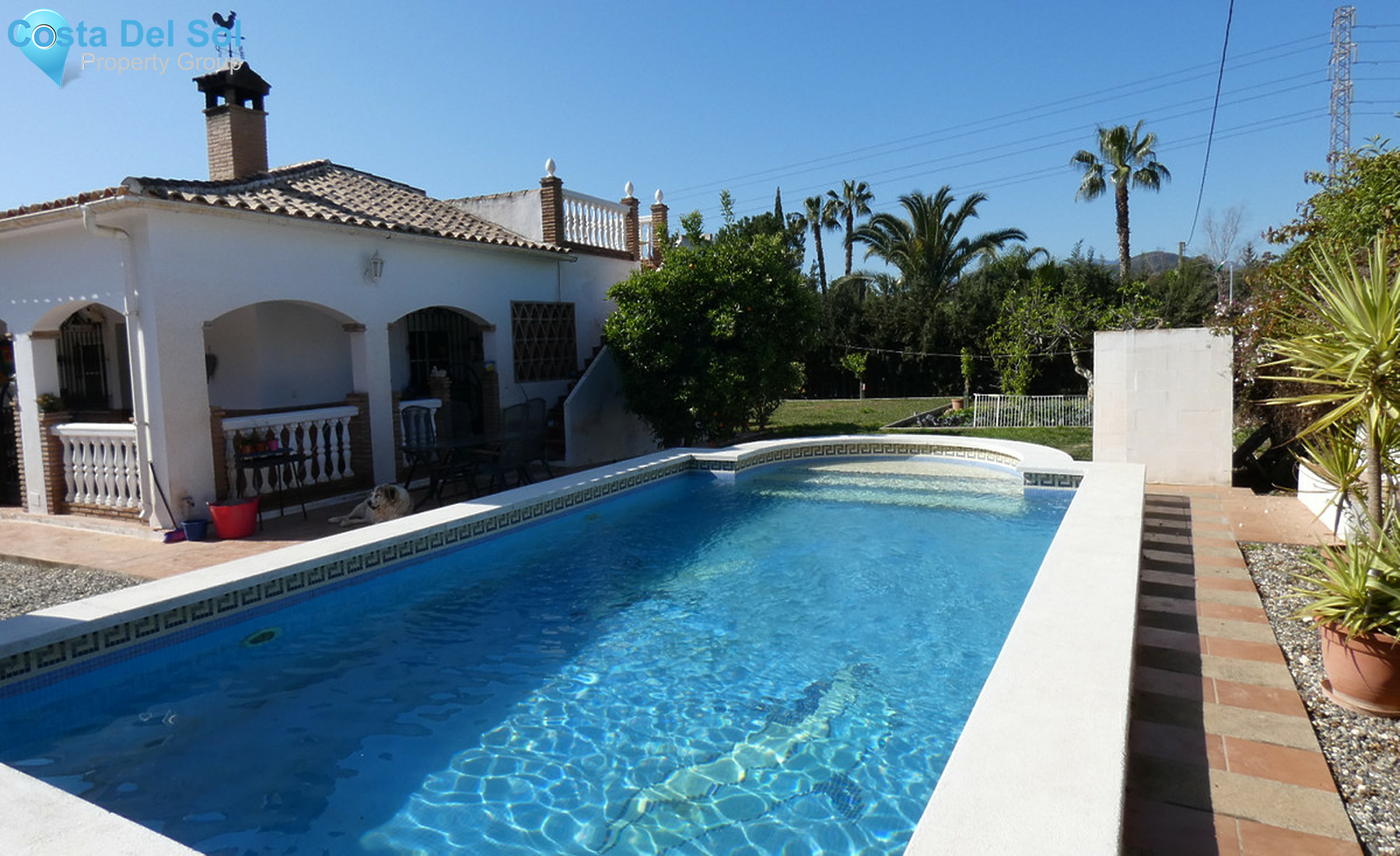
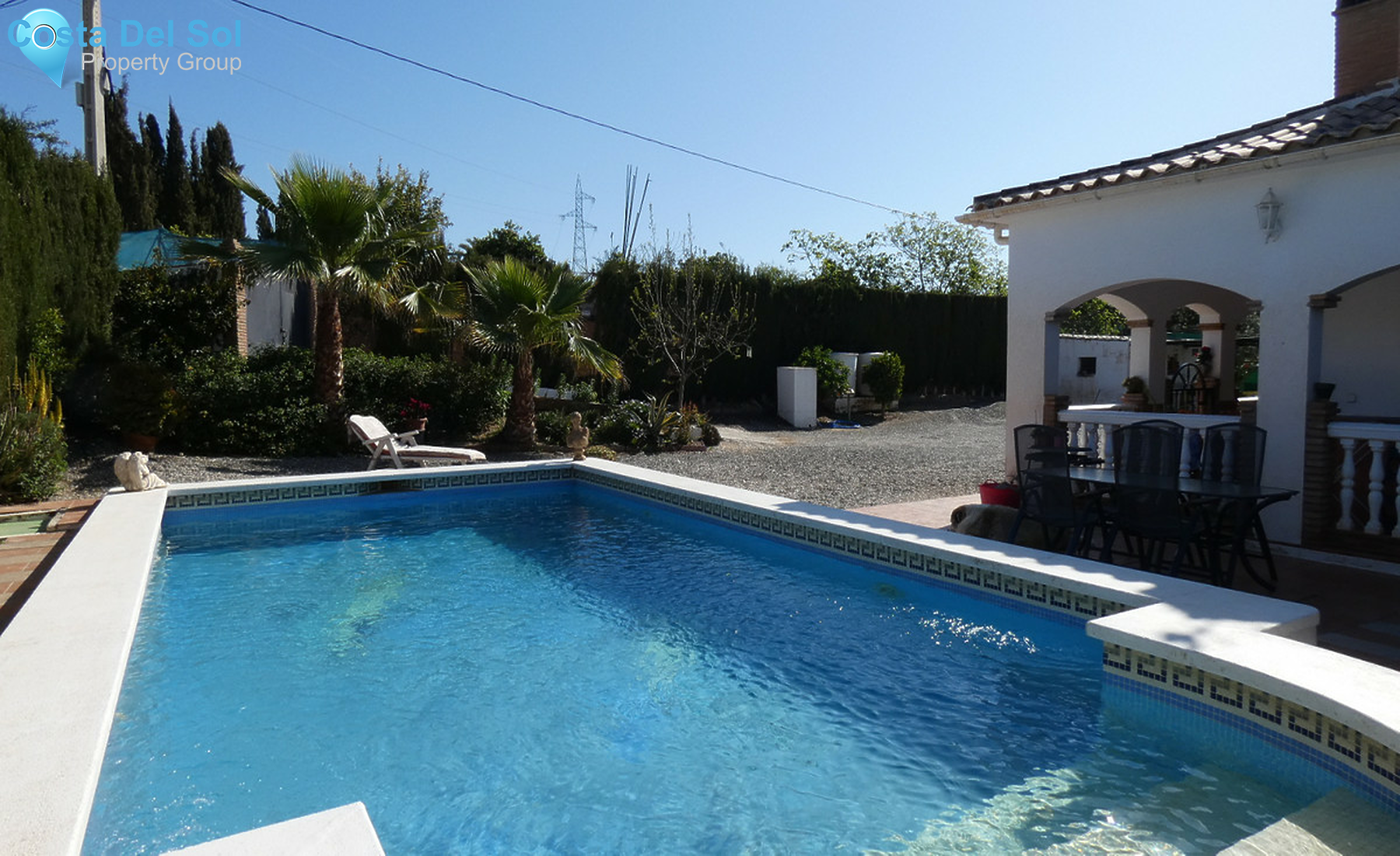
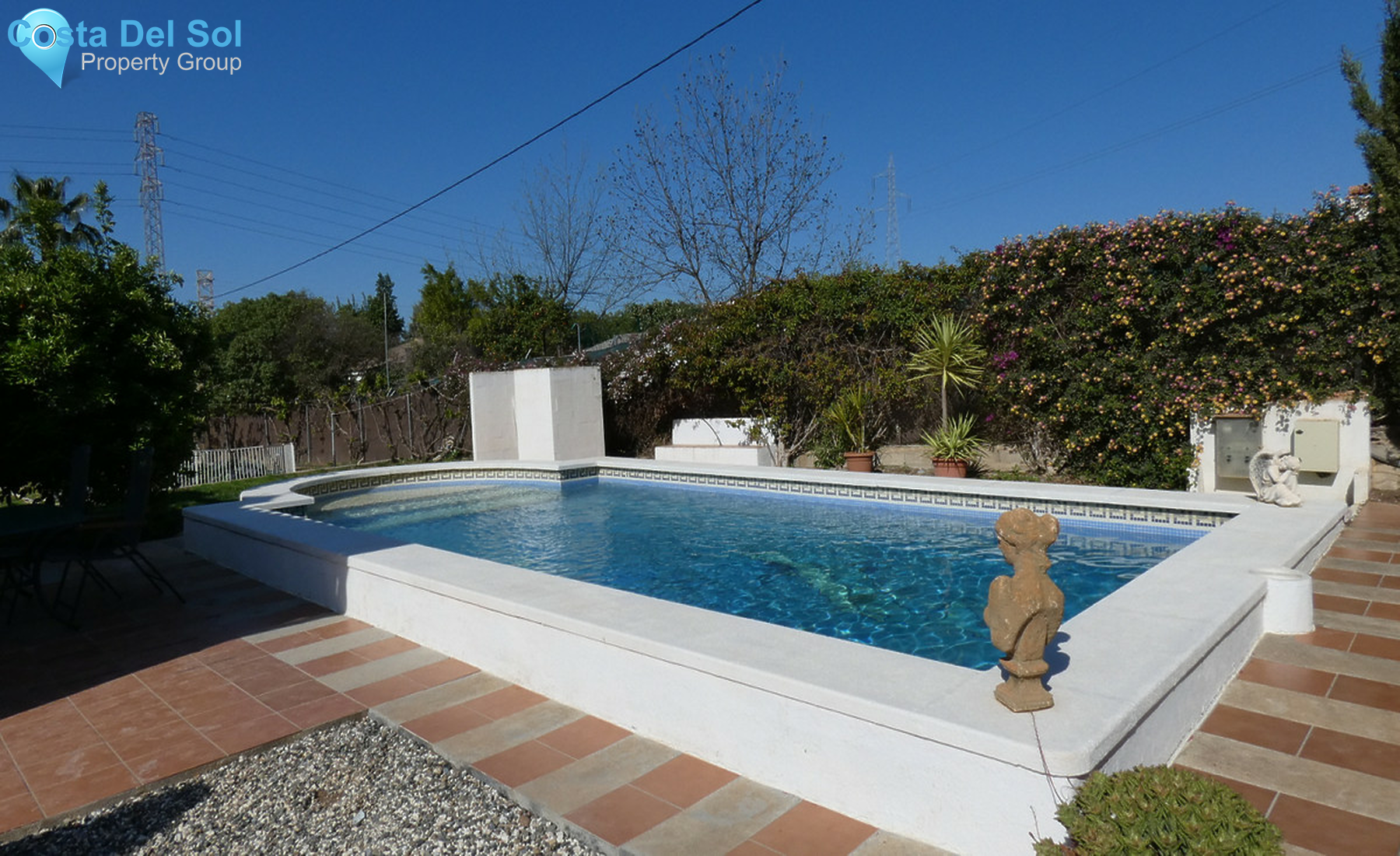
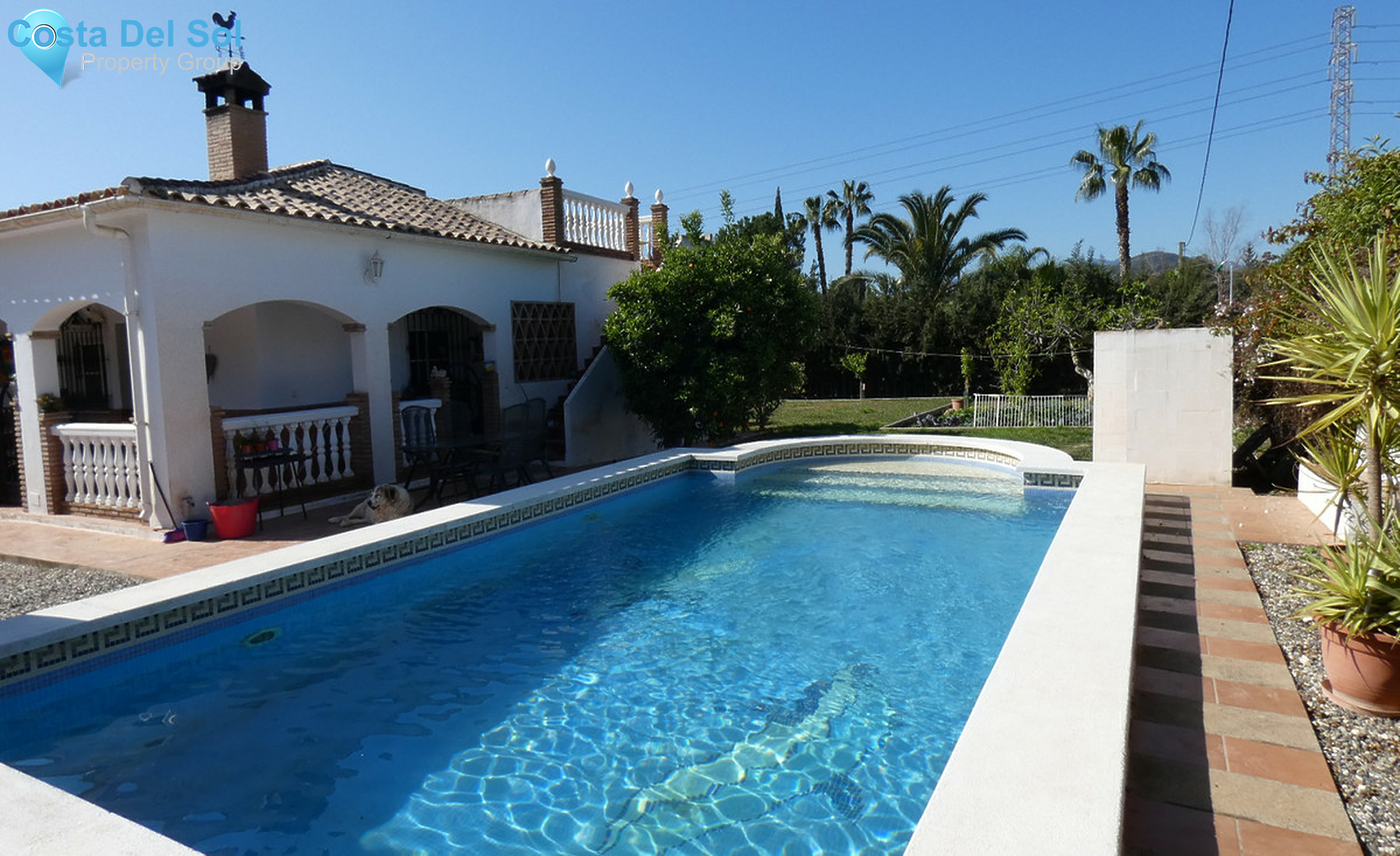
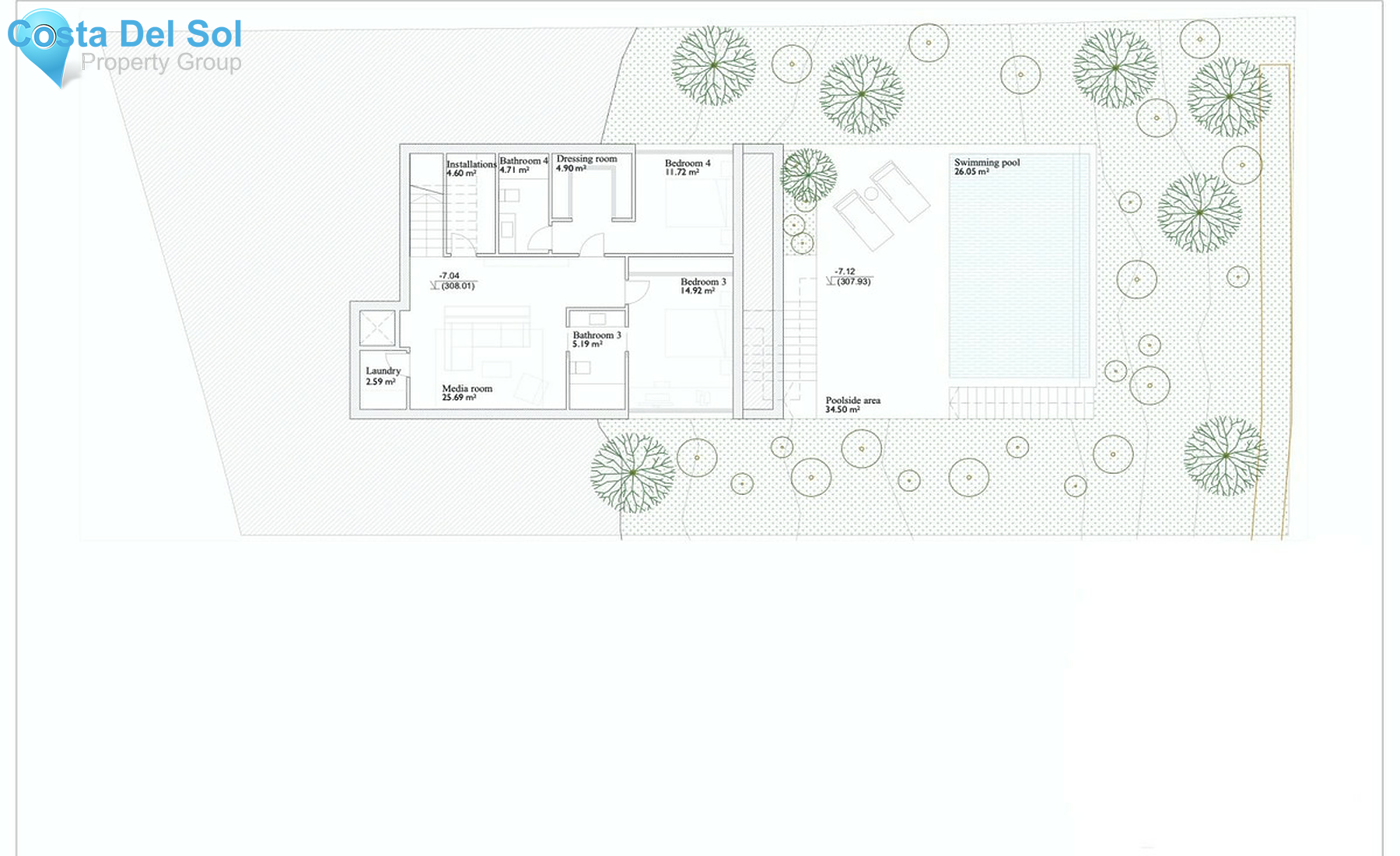
Outside the front of the house, there is a covered terrace, overlooking the pool and garden area.
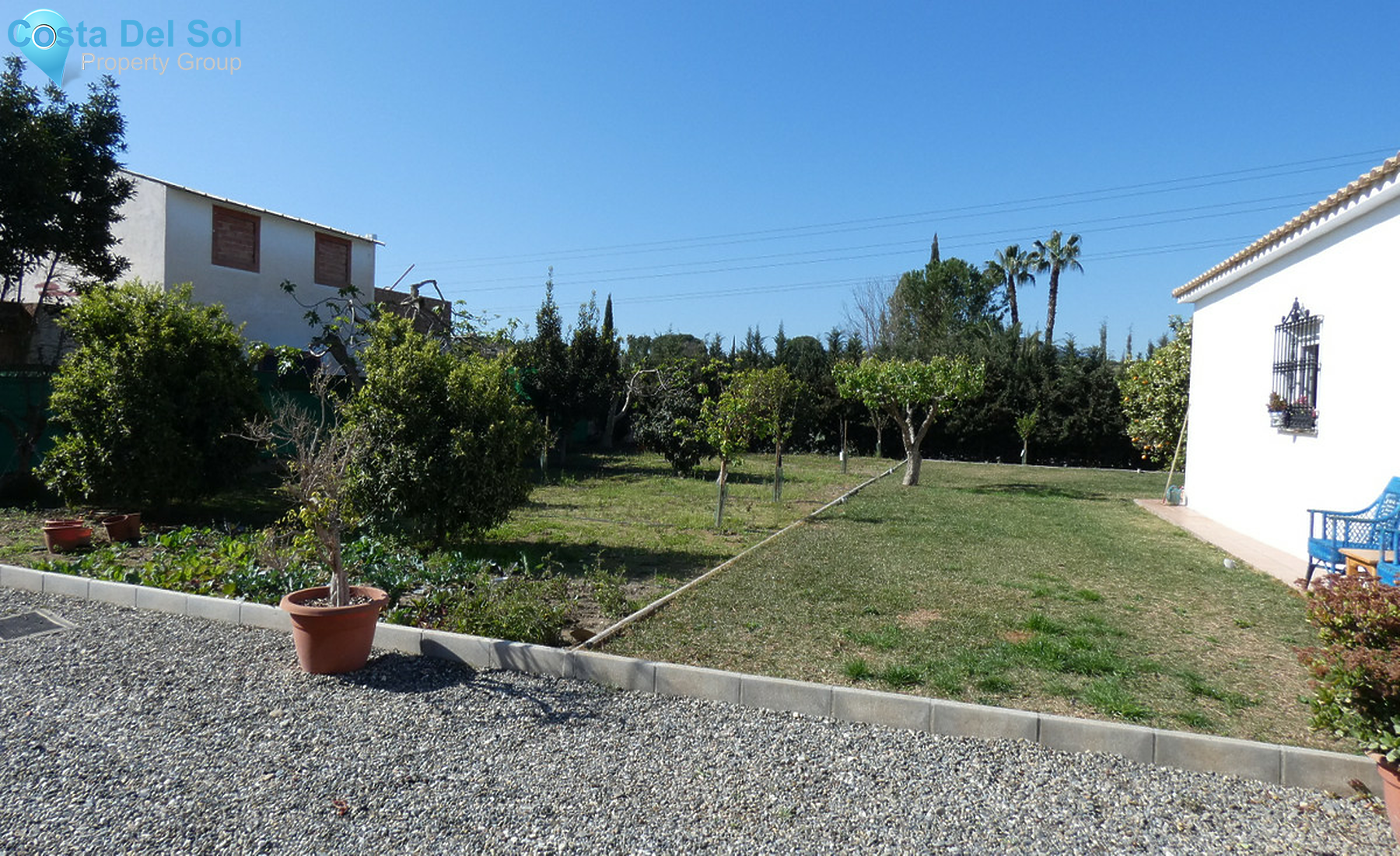
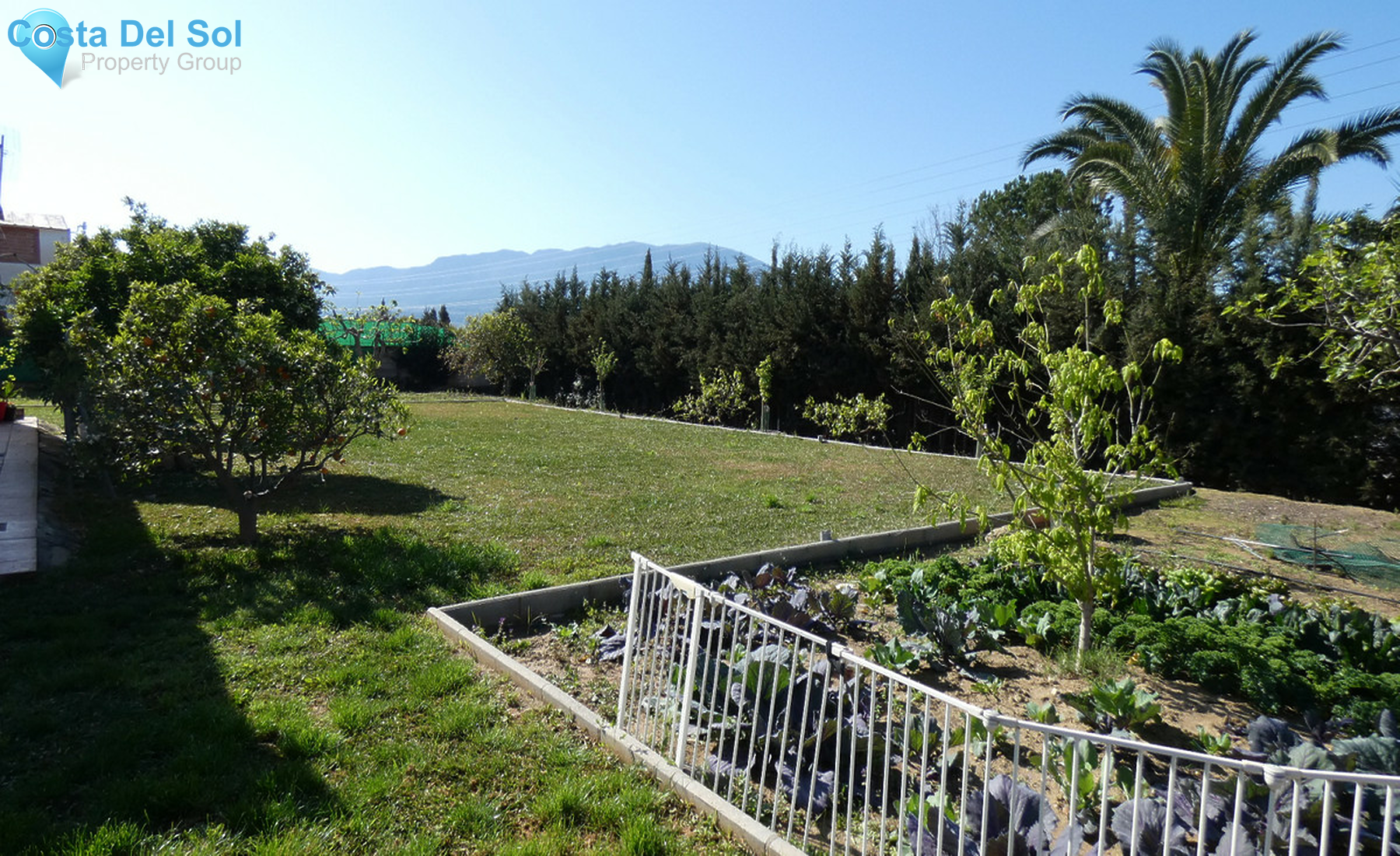
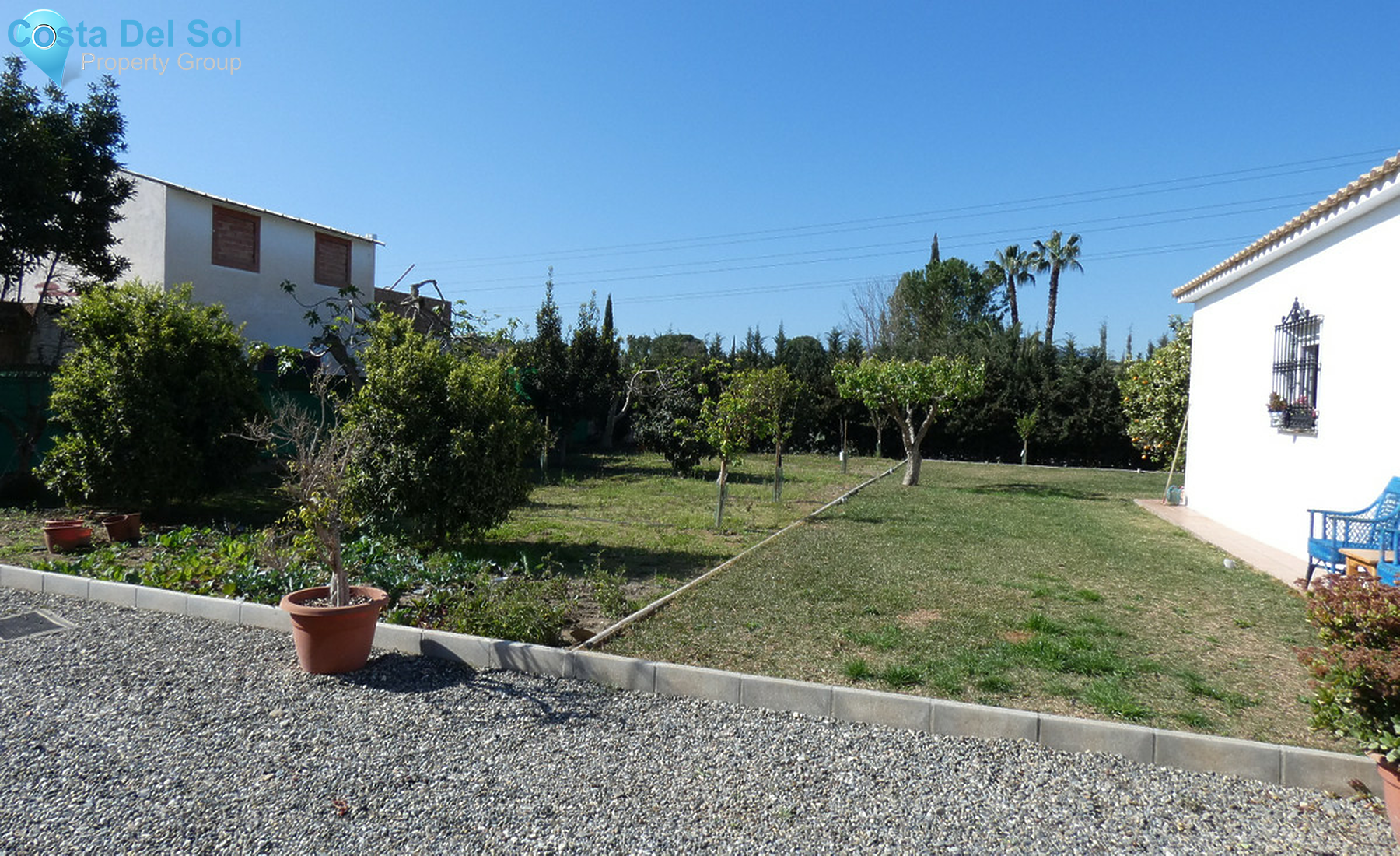
Behind the house, there is a large lawn which is bordered by newly planted fruit trees.
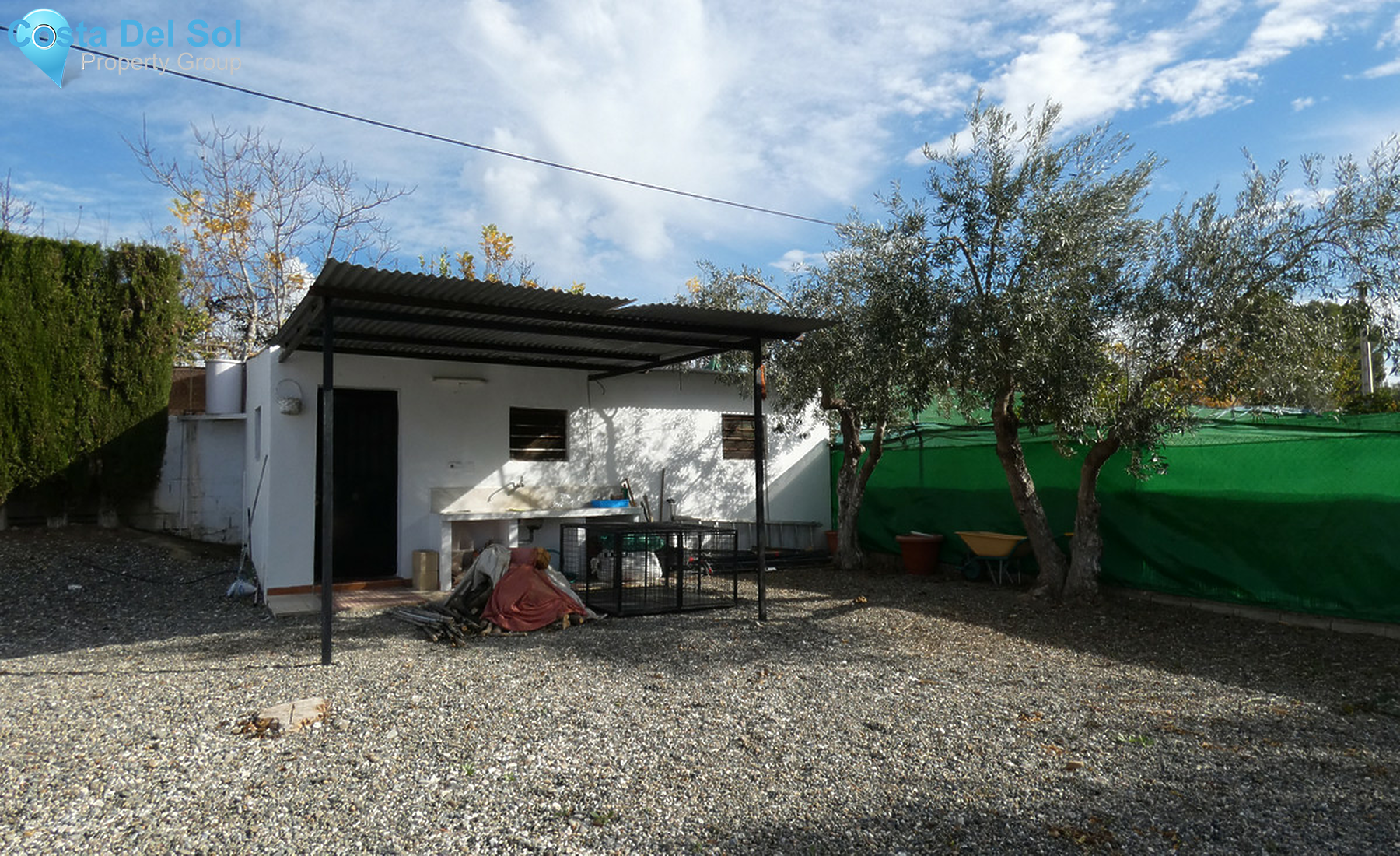
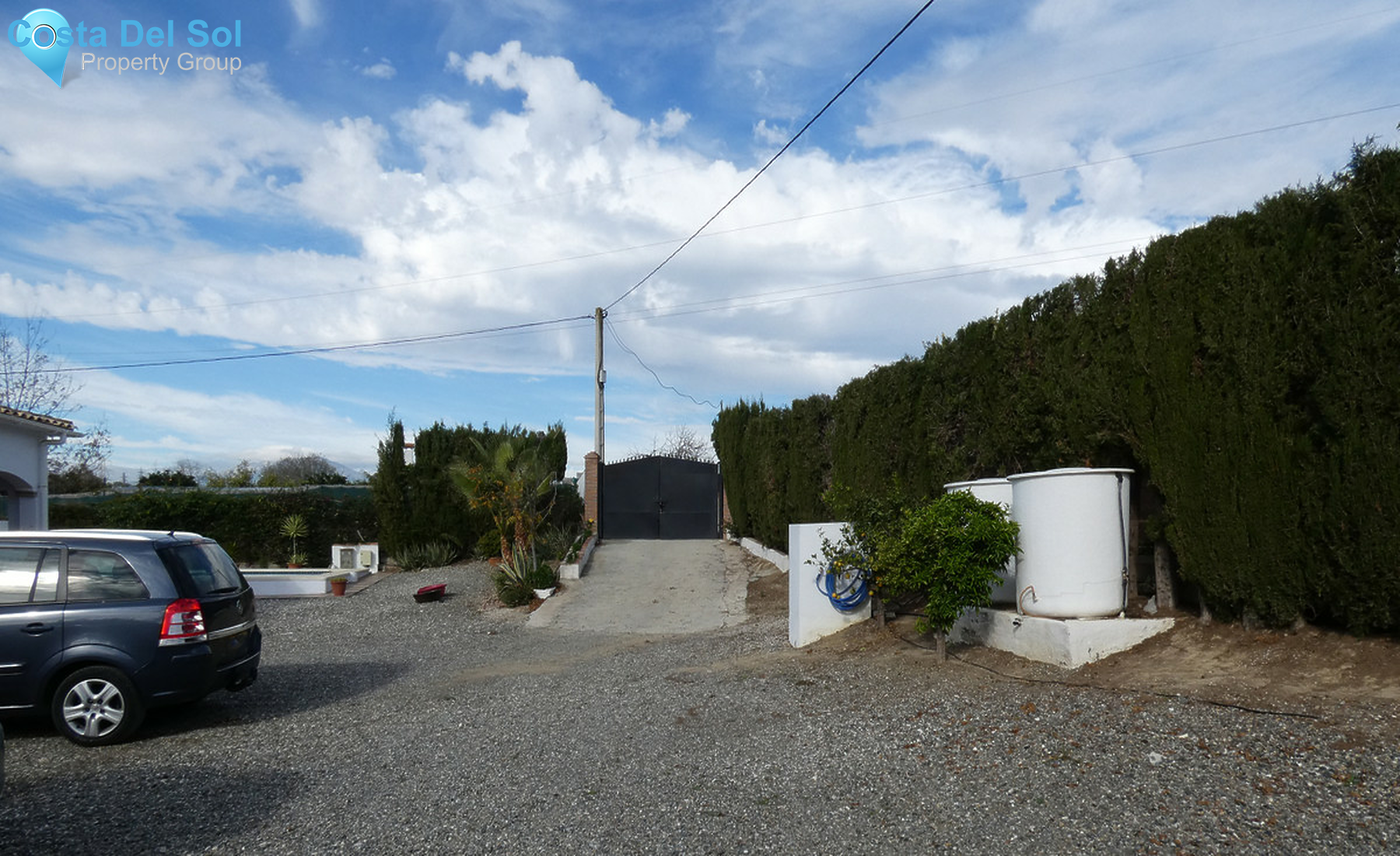
The property benefits from having lots of flat usable land, and at the end of the driveway there is a very large storeroom.
Property video
Location
- Area: Costa del Sol
- Town: Alhaurín el Grande
Current Weather in Alhaurín el Grande
About:
Alhaurín el Grande is a town located in the province of Málaga in the autonomous community of Andalusia in southern Spain.
It covers an area of 73.1 km2 extending from the northern slope of the Sierra de Mijas and the plain of the Guadalhorce river, where alternate crops of citrus and other fruit trees orchards are found.
The population reaches 23,675 inhabitants, according to 2010 data.
The origin of the name was given by the Arabs, who called it "Alhaurin", where the Catholic Monarchs added "el Grande" to distinguish it from the neighboring town of Alhaurín de la Torre after the conquest of both sites in 1485.
It is situated between the river Fahala and the stream of Blas González.
The coast is close by and there is a network of roads to get there.
There is a road to Málaga Airport and Torremolinos, which takes about 30 minutes by car.
A new road was built in 2010 connecting the town with Fuengirola and the beach which is only 20 minutes drive.
There is also another new road to Marbella, to the southwest with Mijas just along a winding road round the mountain.
From Alhaurín there is a view over the "Hoya de Málaga", Málaga's vale, full of lemon trees and other fruit trees.
Villafranco del Guadalhorce is a village within Alhaurín el Grande's municipal territory.
It was founded by colonist families in the 1950s and subsidized by the Instituto Nacional de Colonización of the Spanish government.

Notice: Trying to access array offset on value of type bool in /var/www/clients/client5/web6/web/Global-Includes/footer.php on line 1
File does not exist. "https://costadelsolpropertygroup.com/propertyVideos/noVideo.mp4"