


Property details
- Property ID: CDS25923
- Price: € 136,500
- Plot Size: 177 m²
- Built Size: 287 m²
- Terrace Size: 0 m²
- Bedrooms: 7
- Bathrooms: 2
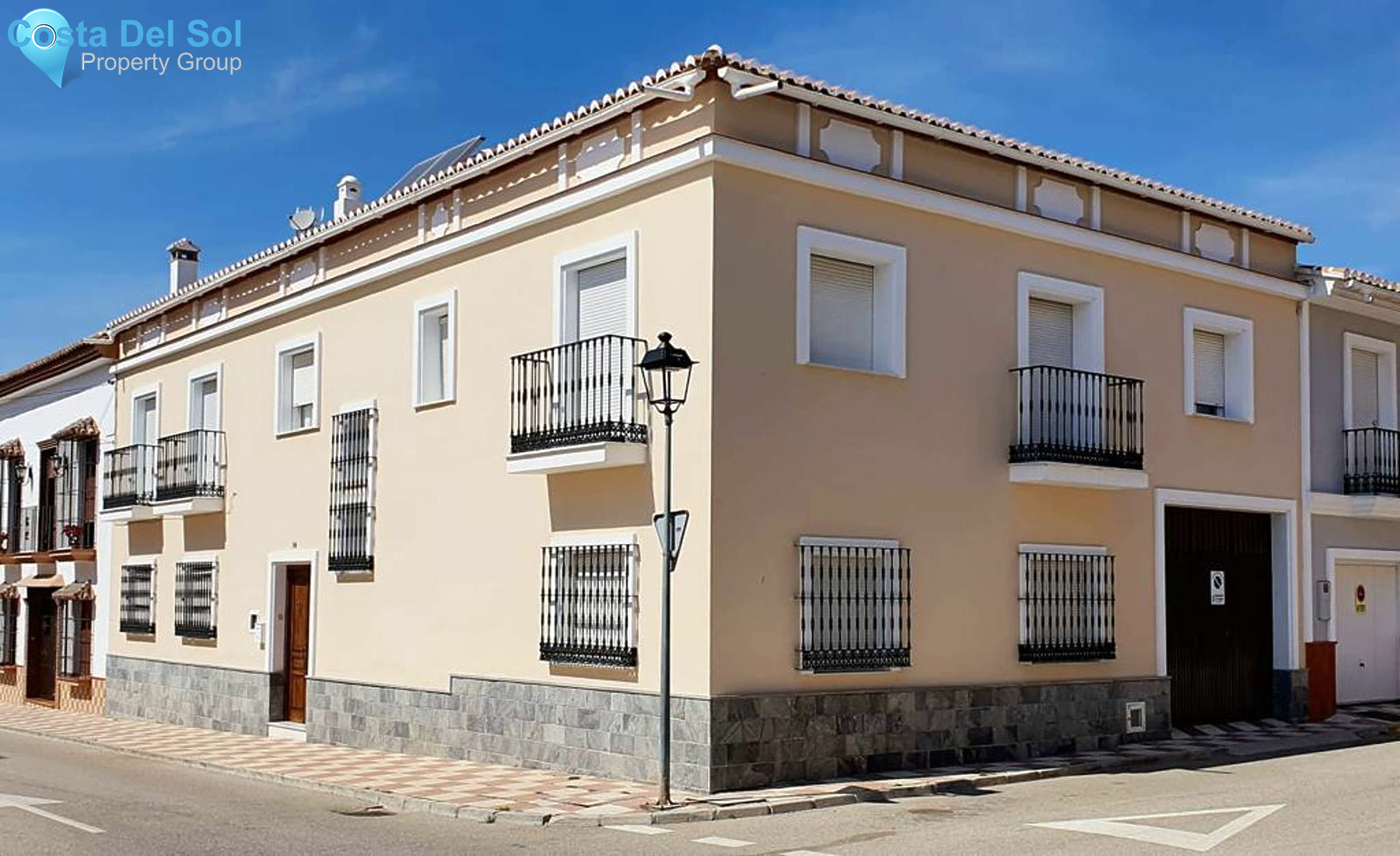
- Property Type: Townhouse
Notice: Trying to access array offset on value of type bool in /var/www/clients/client5/web6/web/property.php on line 328
Notice: Trying to access array offset on value of type bool in /var/www/clients/client5/web6/web/property.php on line 328
Setting
Description
REDUCED!
This property needs a complete reform.
It is located in the centre of Alhaurin el Grande with roadside parking.
The ground floor has a large living room, 2 bedrooms, a bathroom and a large kitchen all empty for the reform.
There is a large patio with various areas with storage, laundry area etc..
Back inside up to the next level you have 5 bedrooms and a bathroom aswell as another room that can be used as a second living area, bedroom, playroom etc..
Next level is the sunny solarium with views to Alhaurin town.
This property has alot of potential to make it your own large house or 2 apartments.
Priced to sell.
You have shops, supermarkets, bars nearby, Malaga airport is only 25 minutes away and also the beach.
Property video
Location
- Area: Costa del Sol
- Town: Alhaurín el Grande
Current Weather in Alhaurín el Grande
Loading Weather...
Notice: Trying to access array offset on value of type bool in /var/www/clients/client5/web6/web/Global-Includes/footer.php on line 1
File does not exist. "https://costadelsolpropertygroup.com/propertyVideos/noVideo.mp4"