Property details
- Property ID: CDS26972
- Price: € 180,000
- Plot Size: 7100 m²
- Built Size: 122 m²
- Terrace Size: 0 m²
- Bedrooms: 3
- Bathrooms: 1
- Property Type: House
Notice: Trying to access array offset on value of type bool in /var/www/clients/client5/web6/web/property.php on line 328
Notice: Trying to access array offset on value of type bool in /var/www/clients/client5/web6/web/property.php on line 328
Setting
Description
COUNTRY House
.
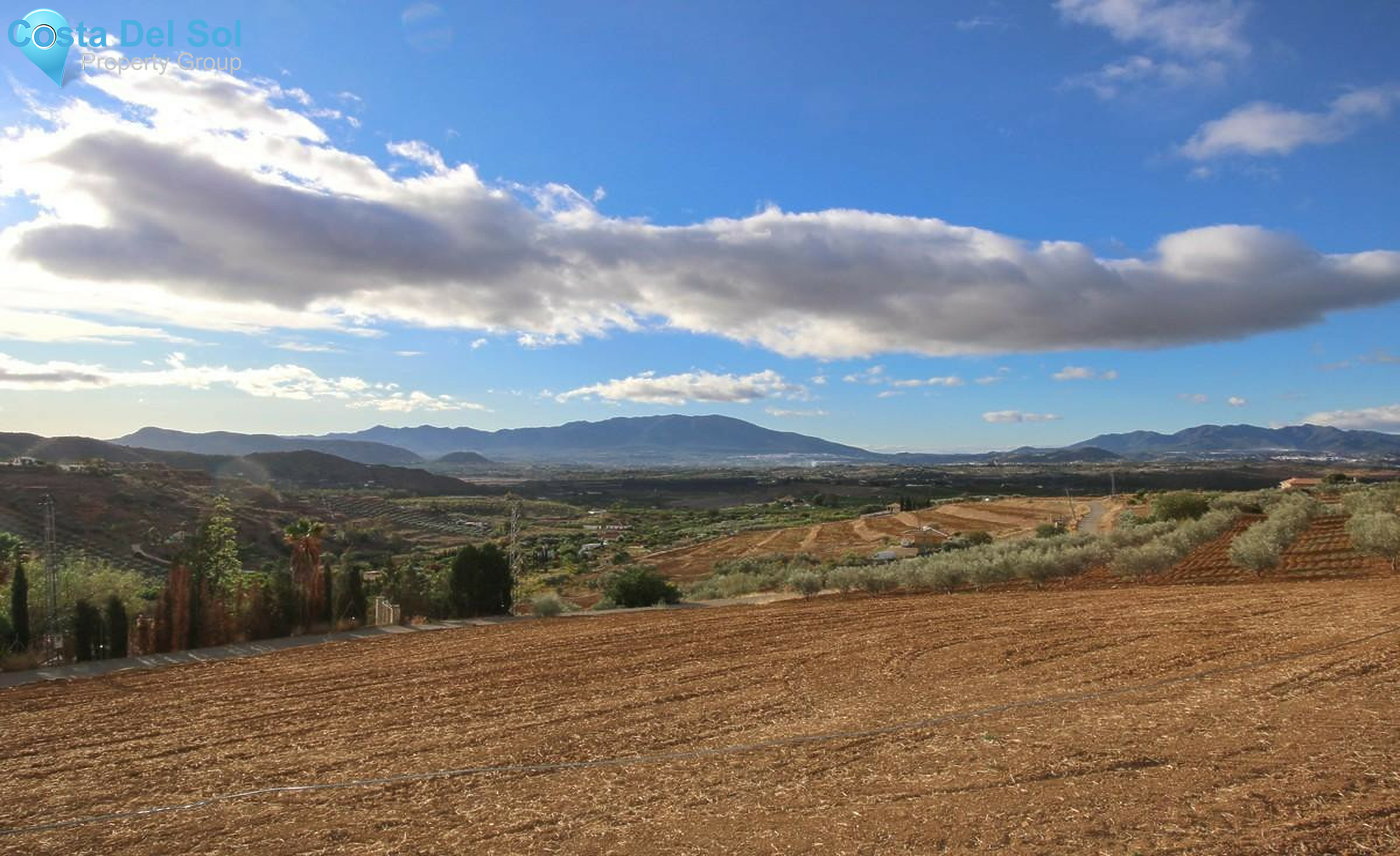
flat plot of land and mountain views!
.
Relax, unwind and ENJOY the andalucian countryside
.
Two bustling towns close by
.
Many TAPAS bars
.
Walking country
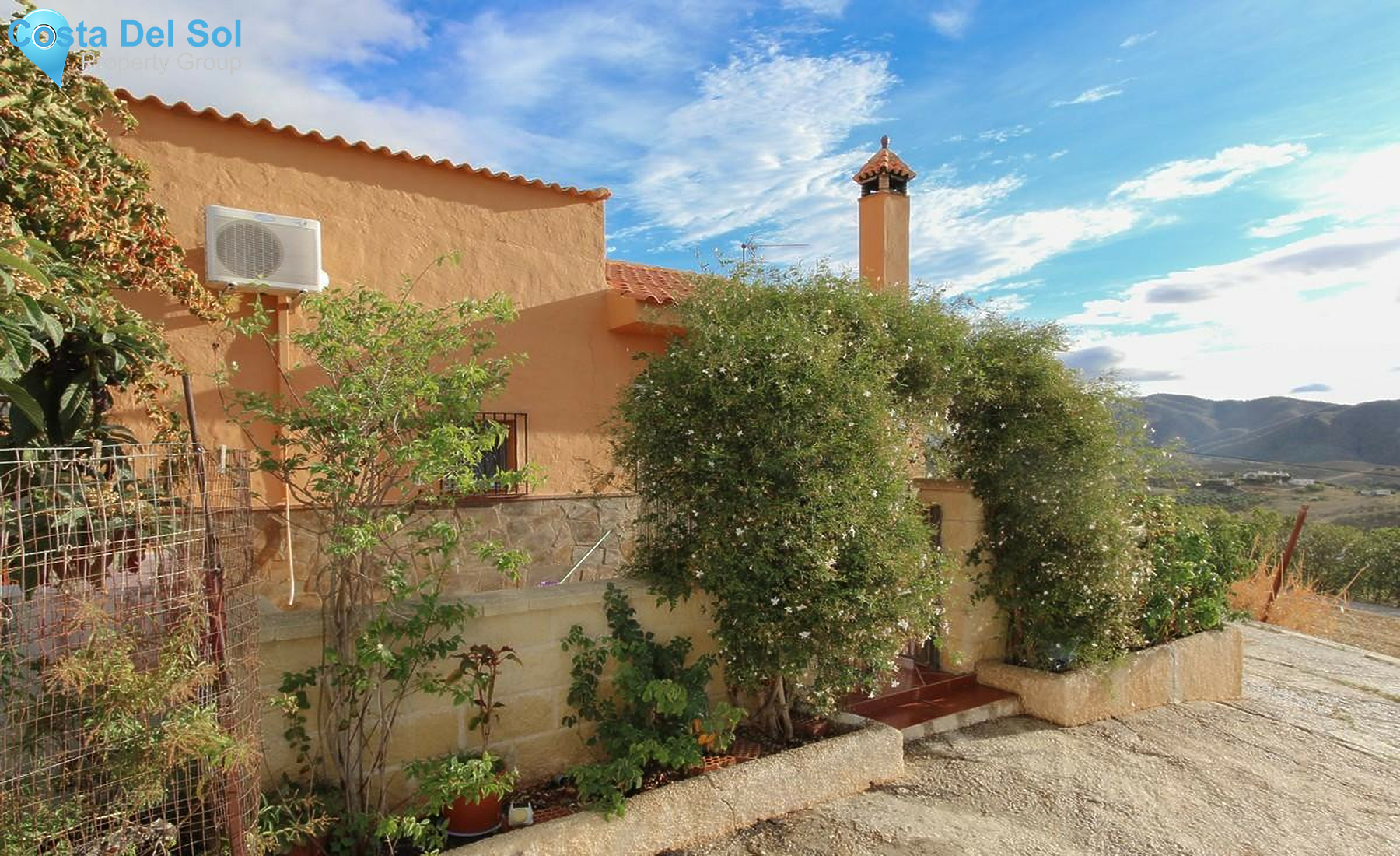
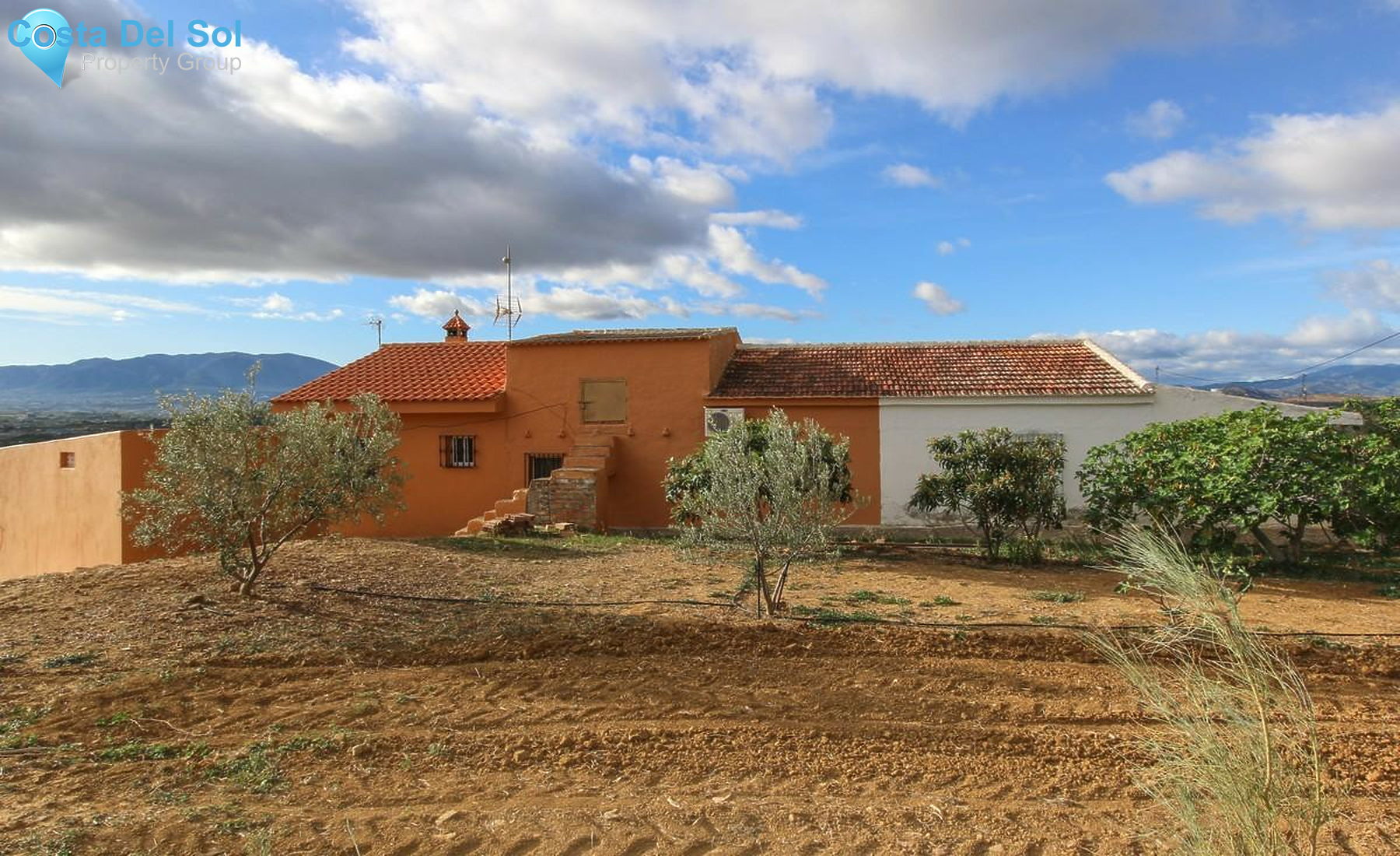
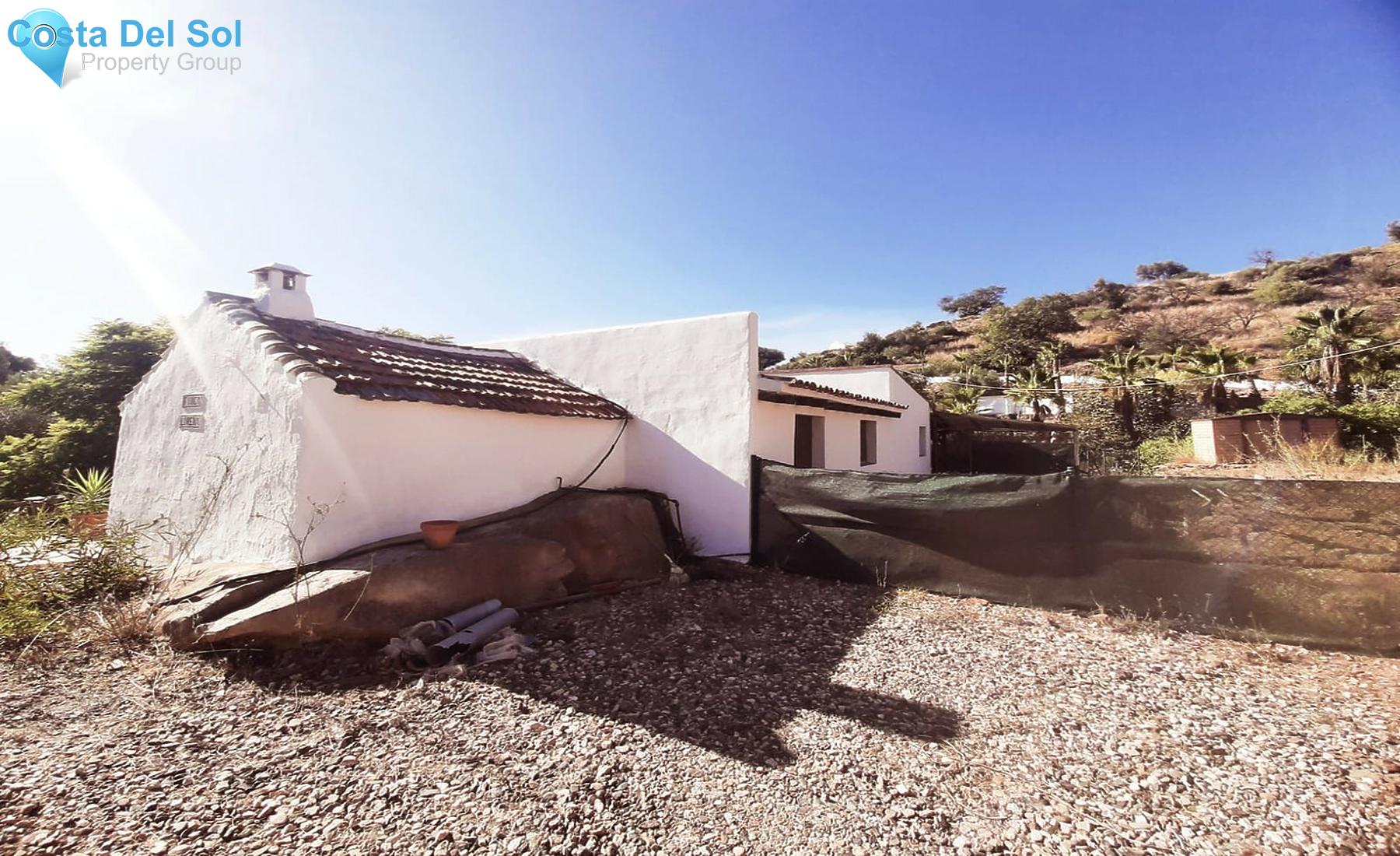
This semi-detached country house is located in the countryside of Pizarra and surrounded by a flat piece of land, ideal to keep animals or create your own vegetable plot.
With good access via a paved road and views over the rolling hills, this property is ideal for outdoor lovers and very reasonable priced.
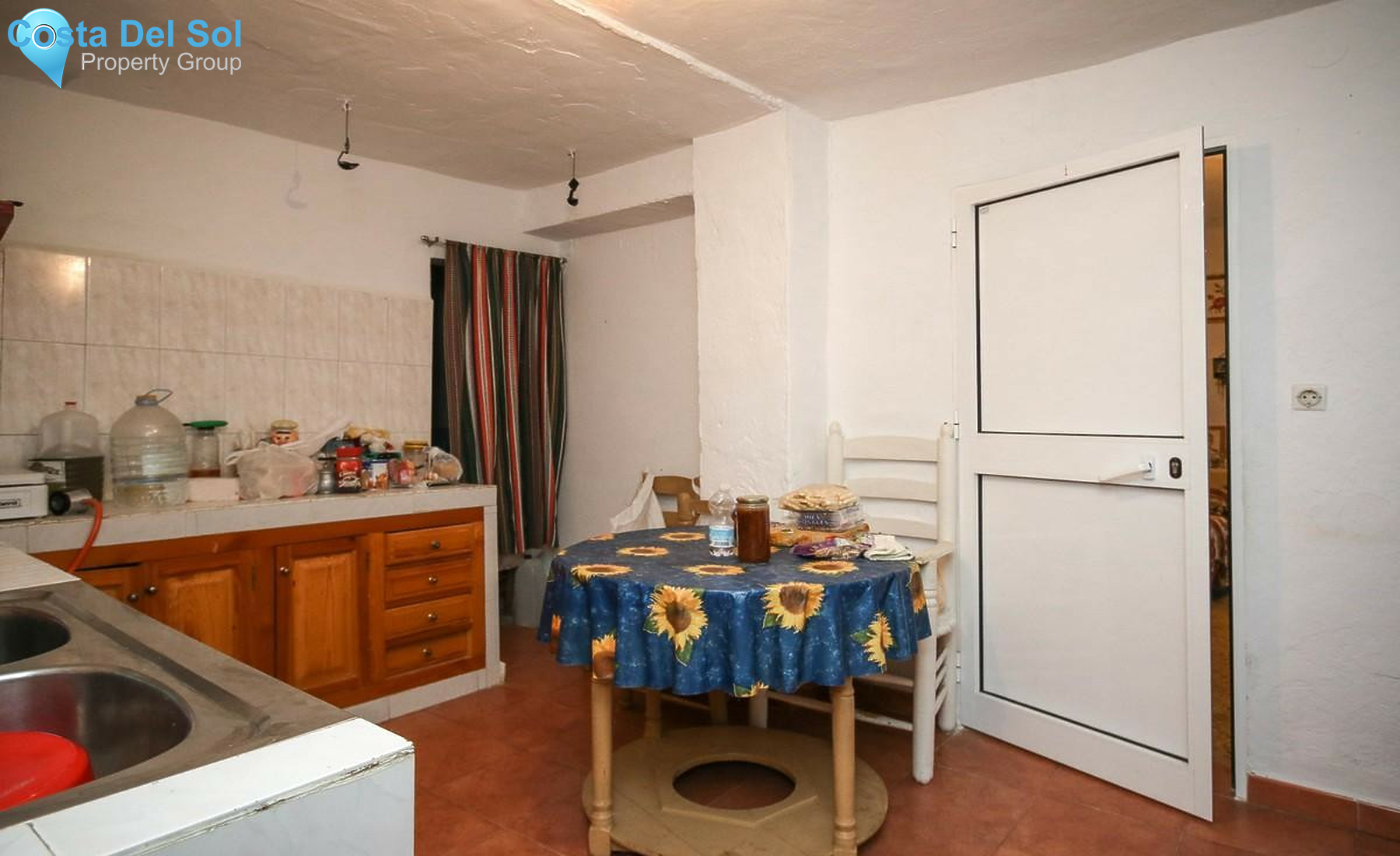
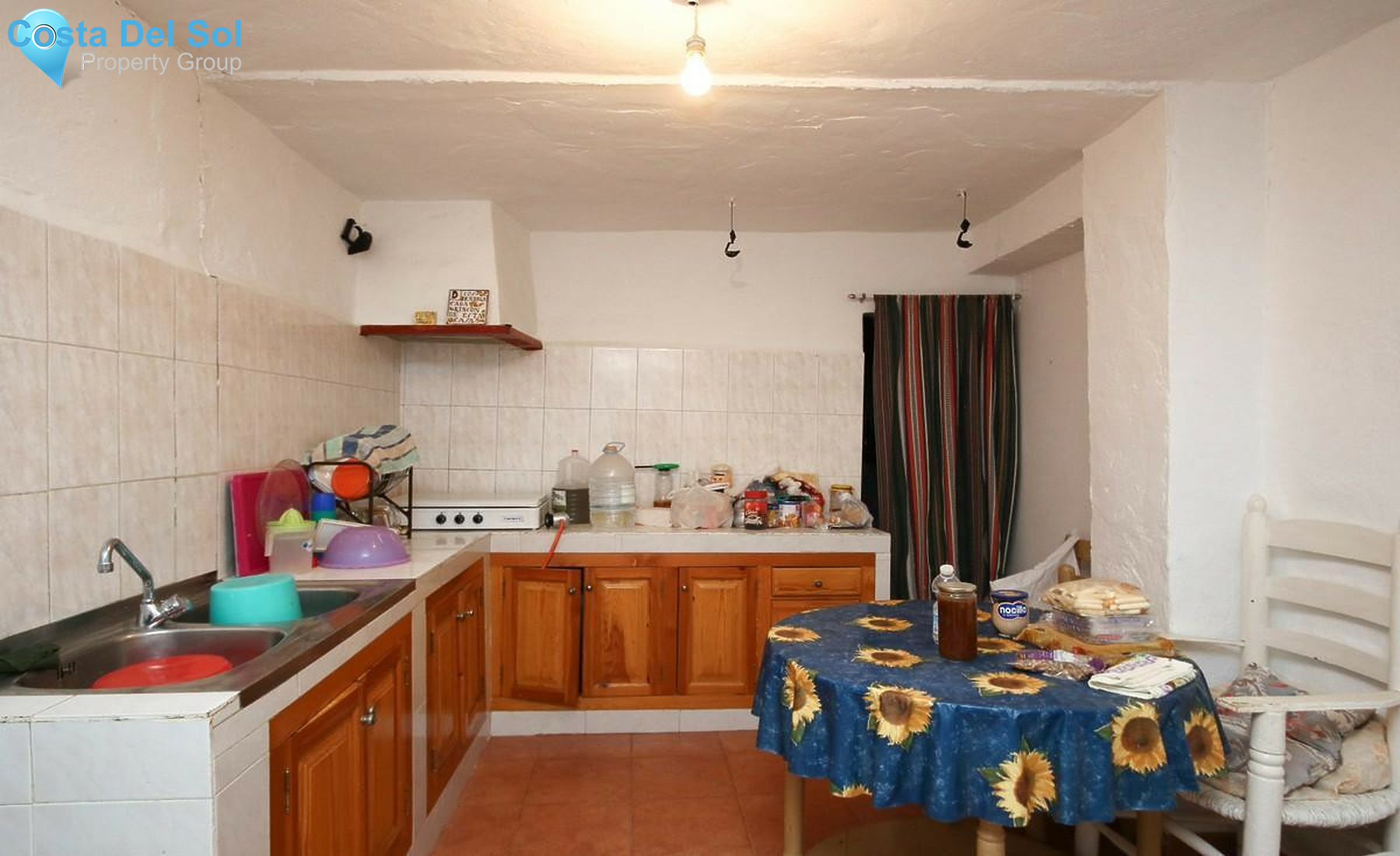
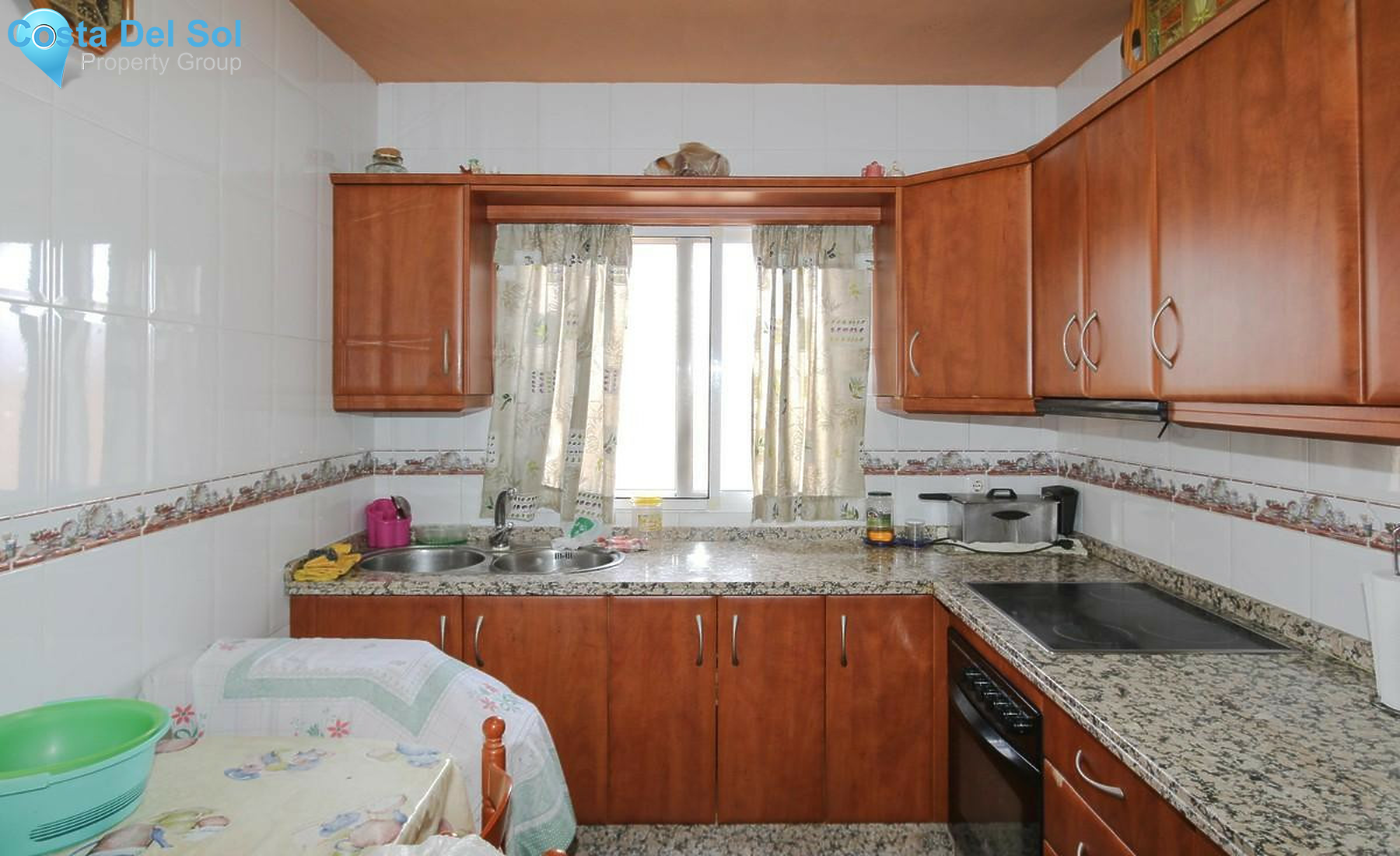
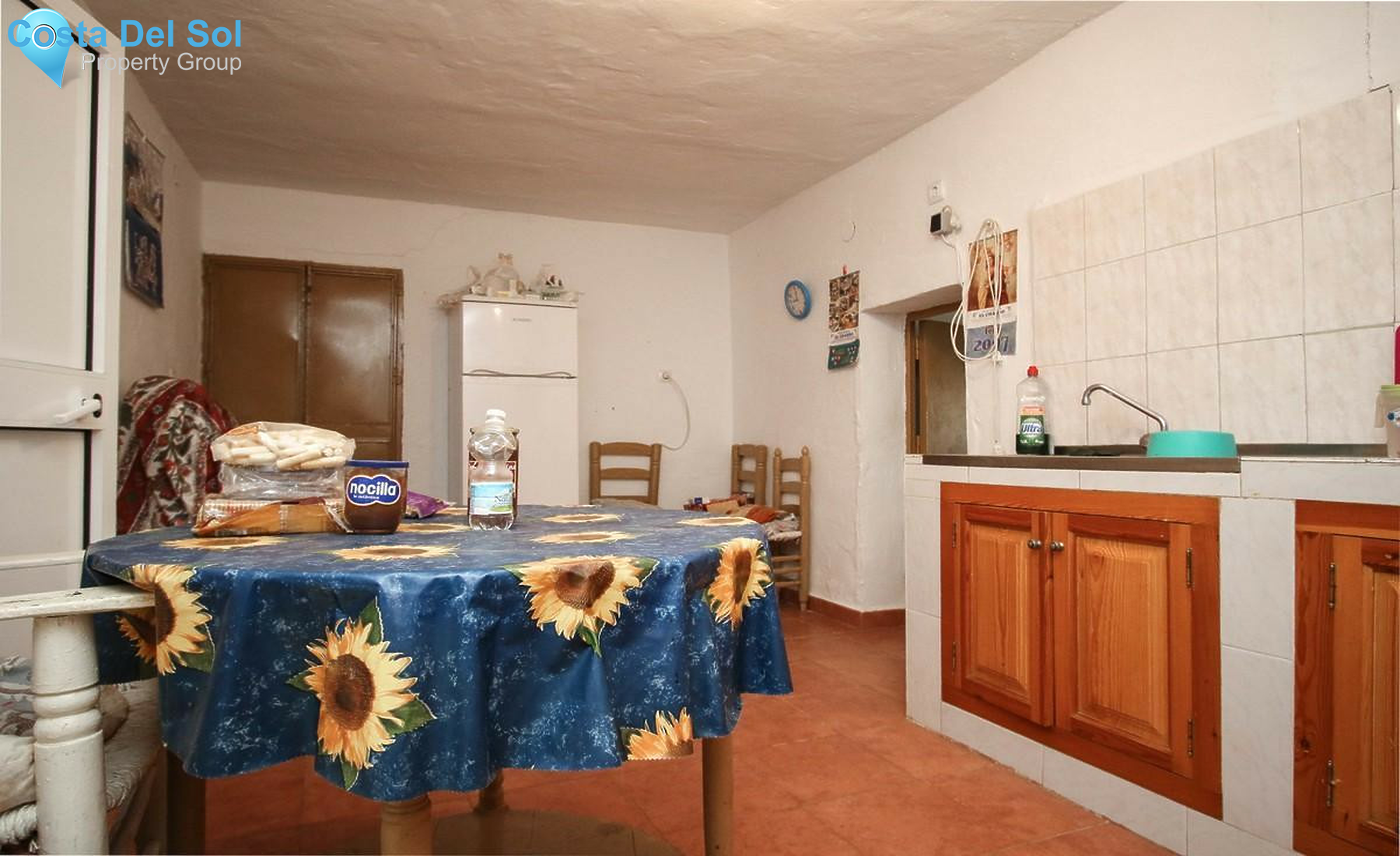
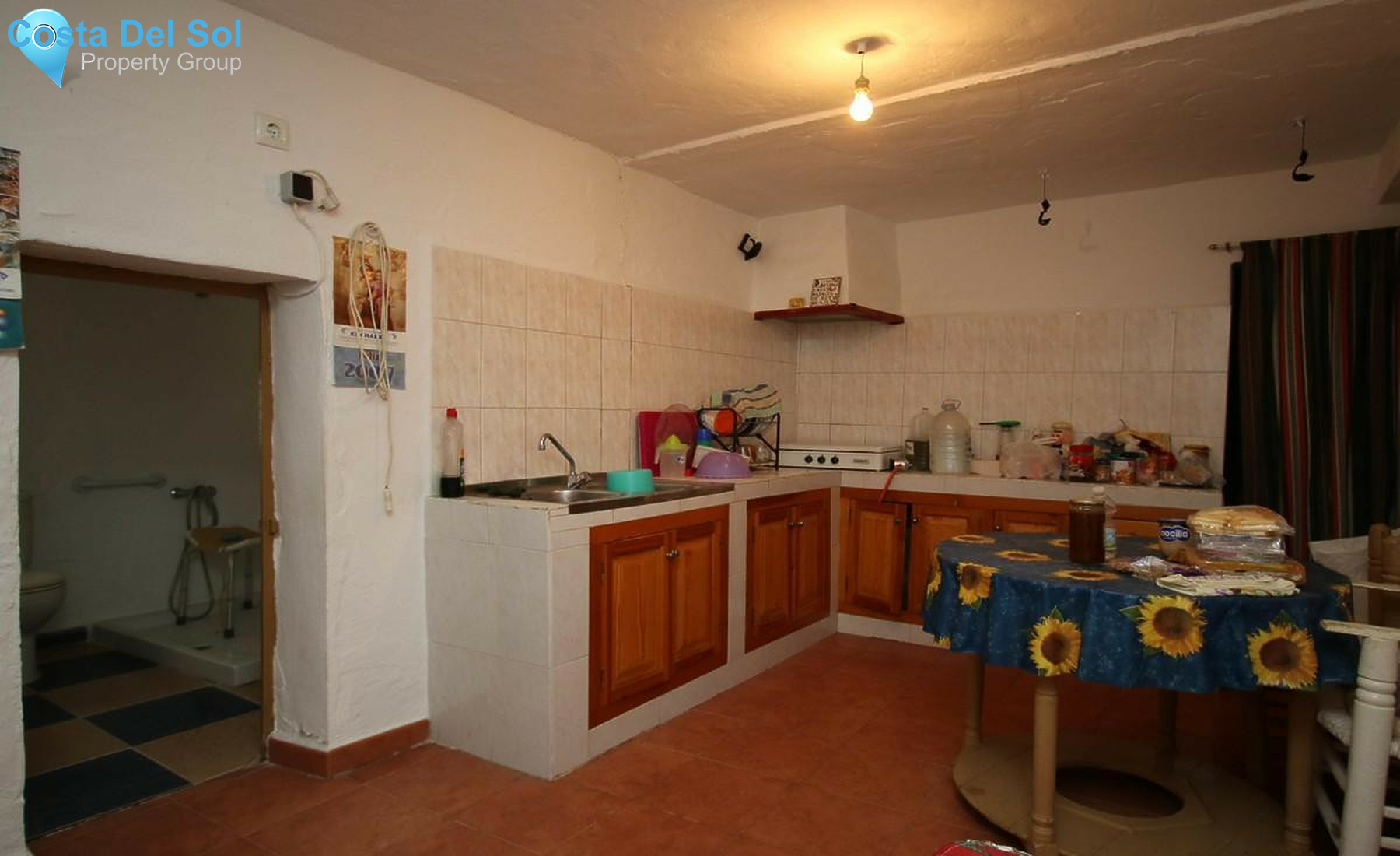
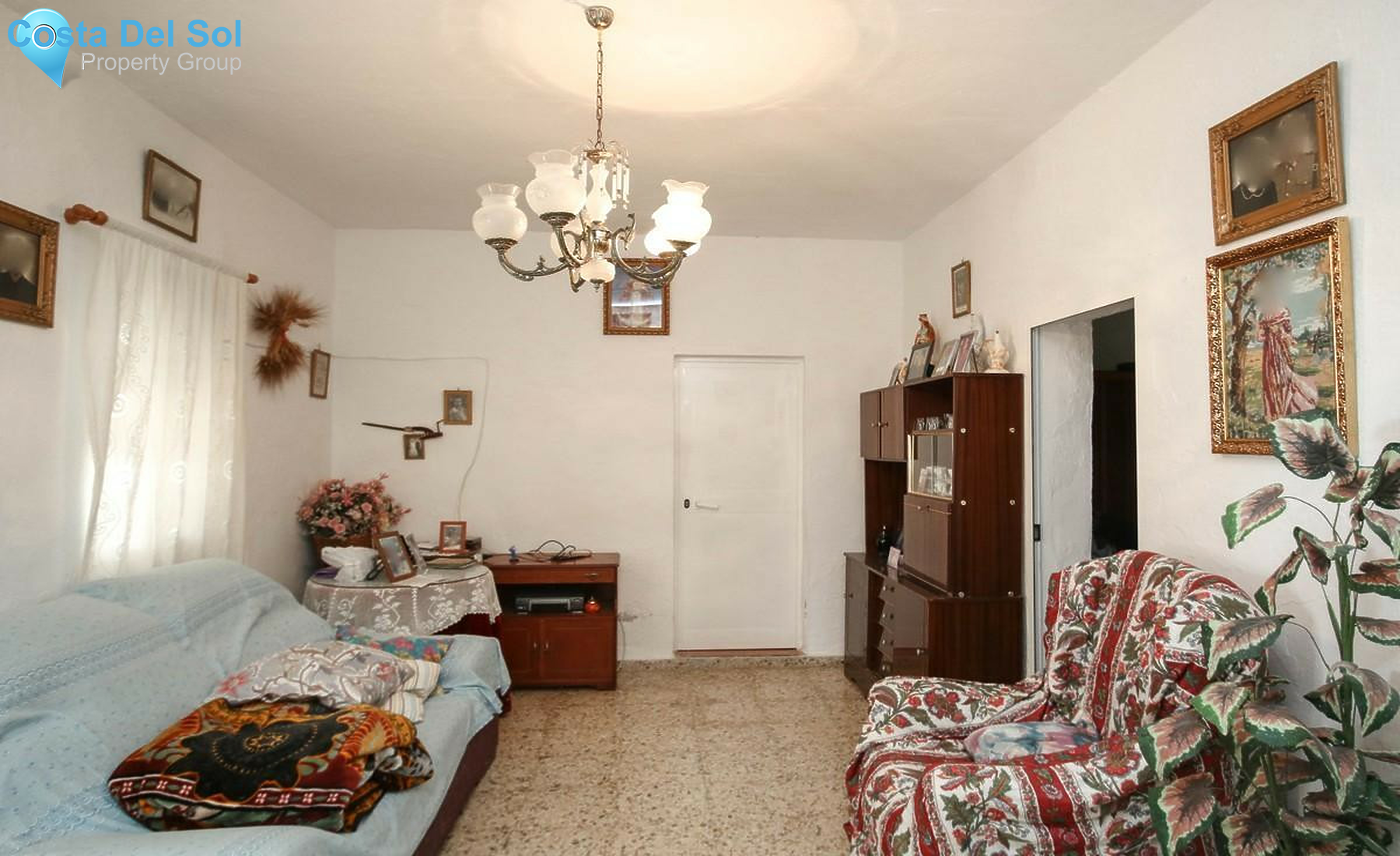
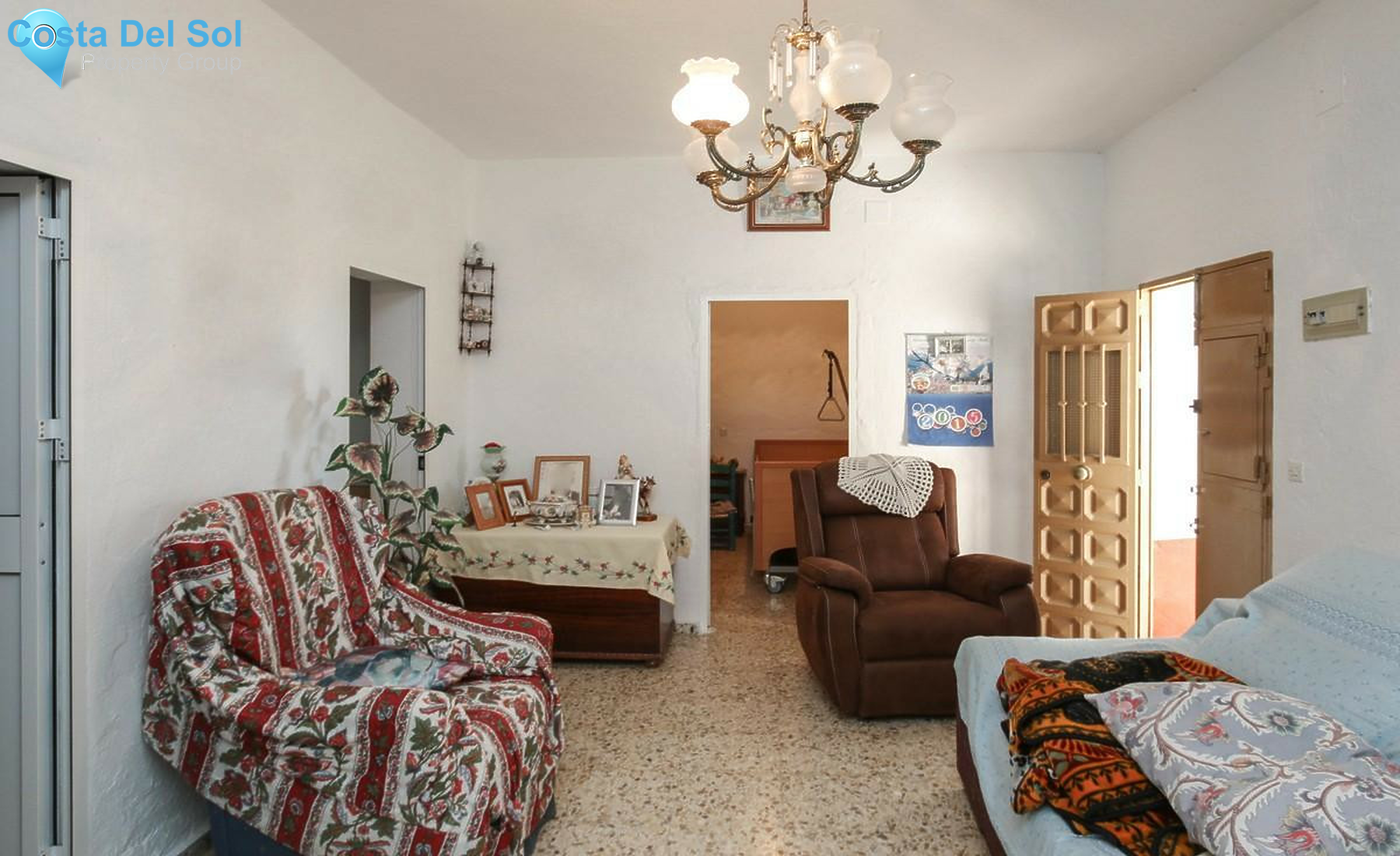
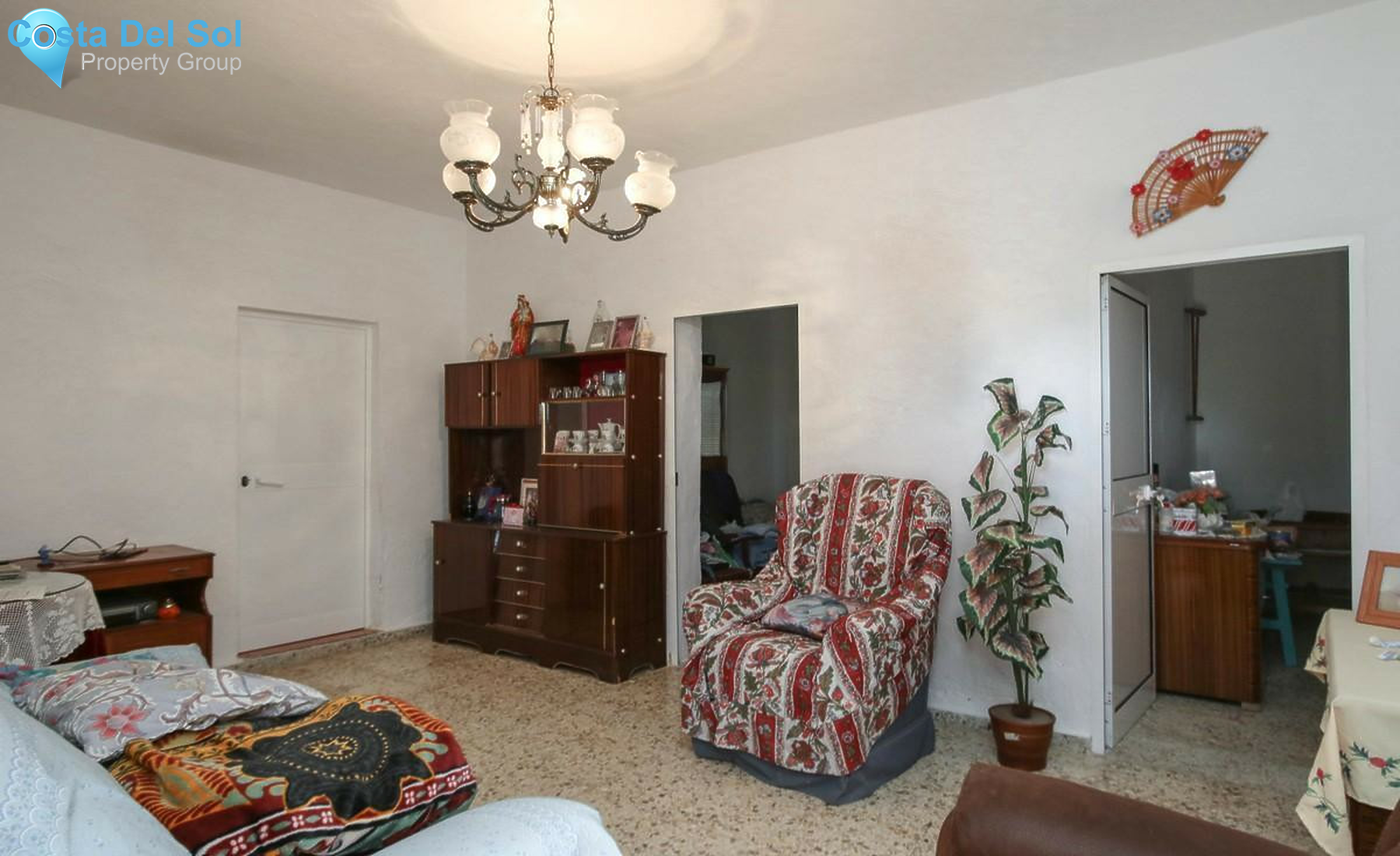
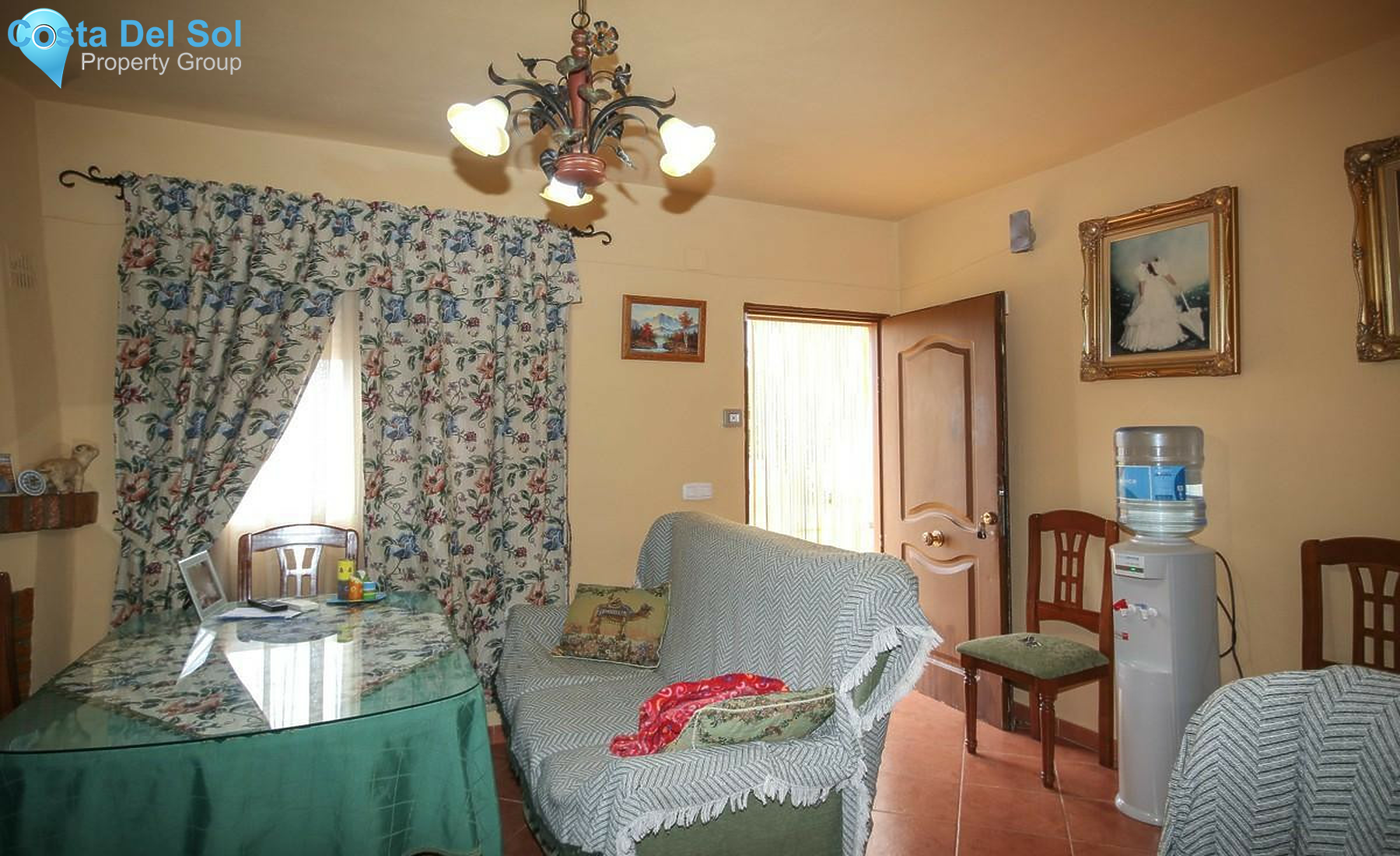
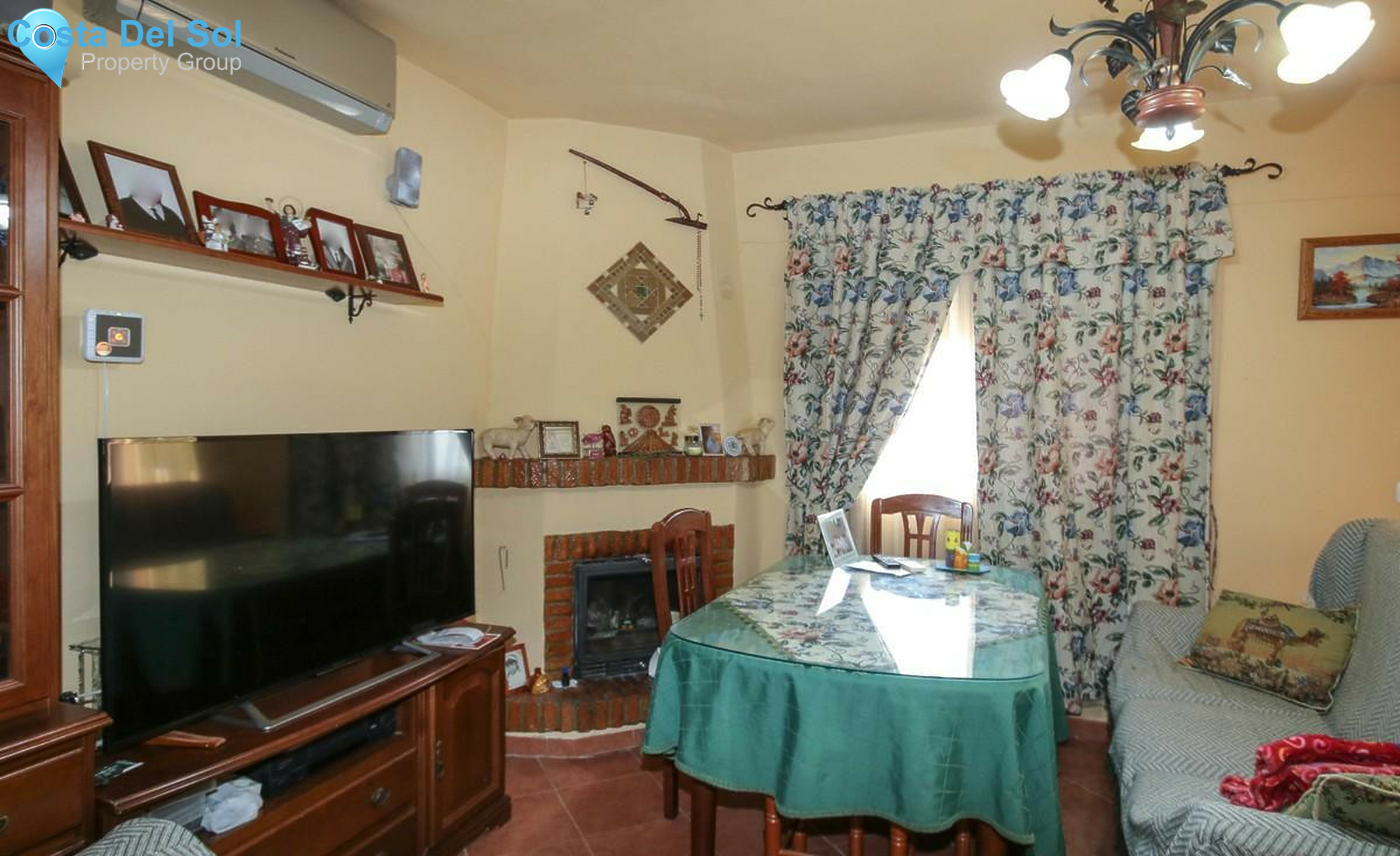
The typically Spanish house, offers a cozy living room with access to the fully fitted kitchen and the bedroom quarters.
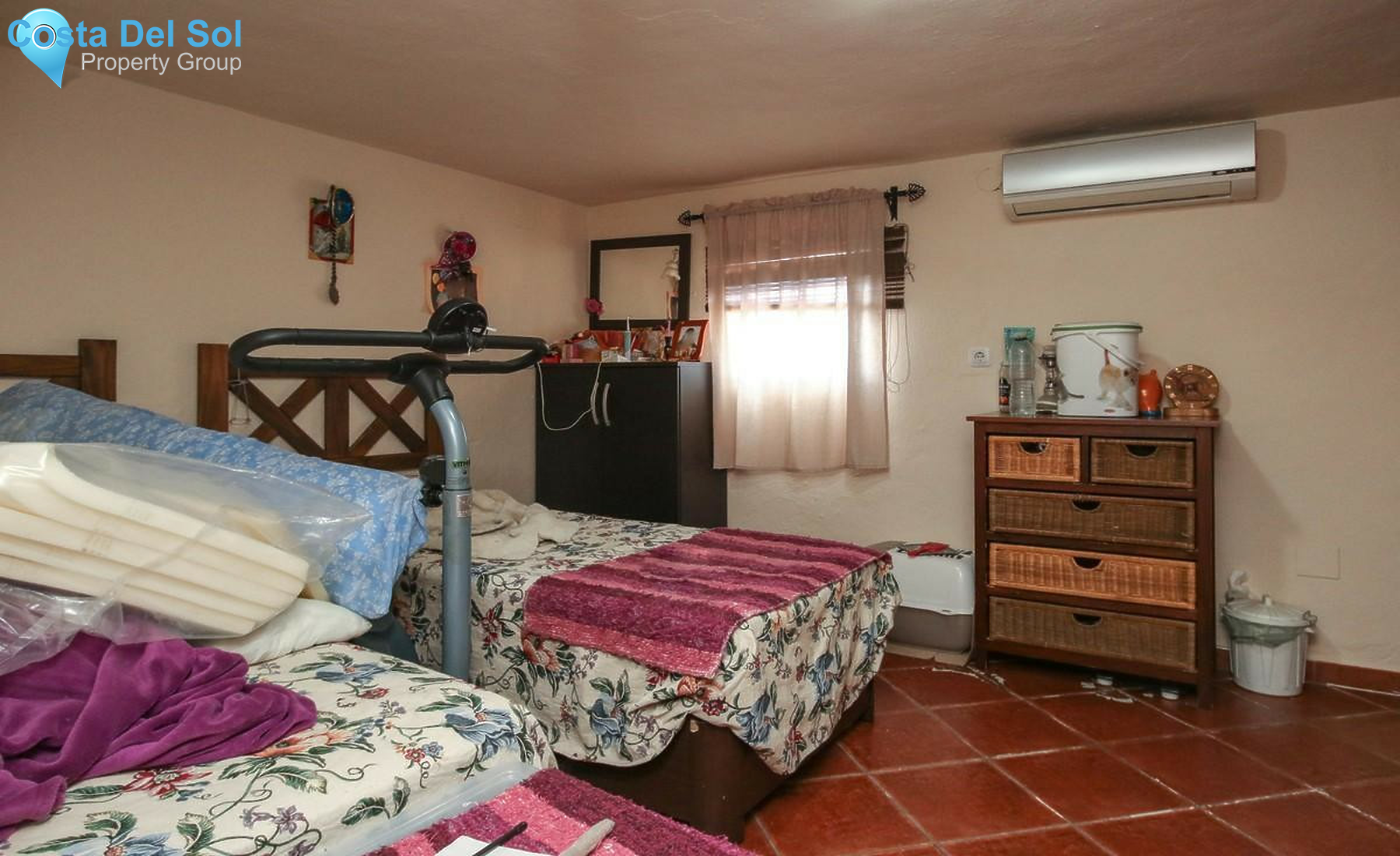
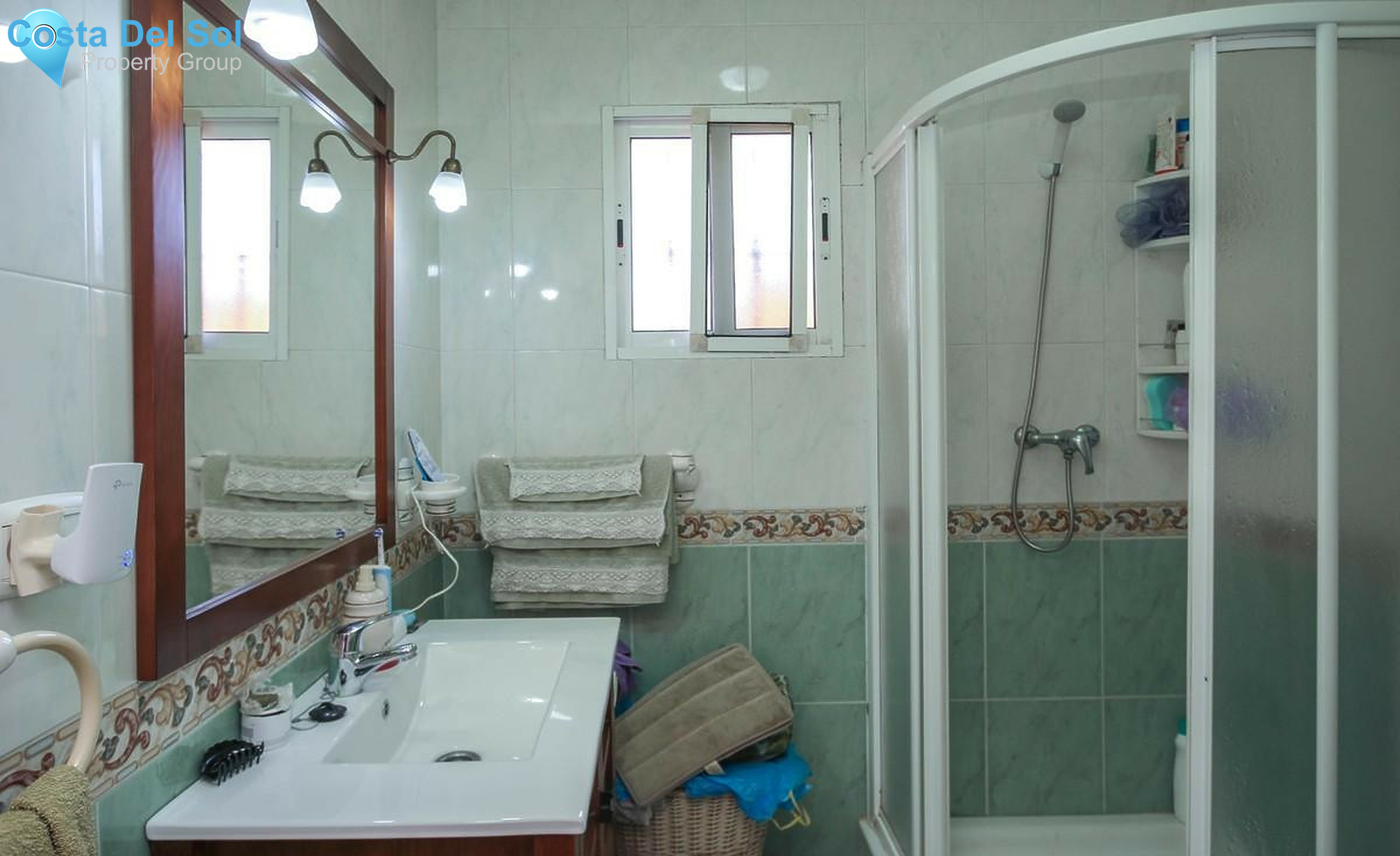
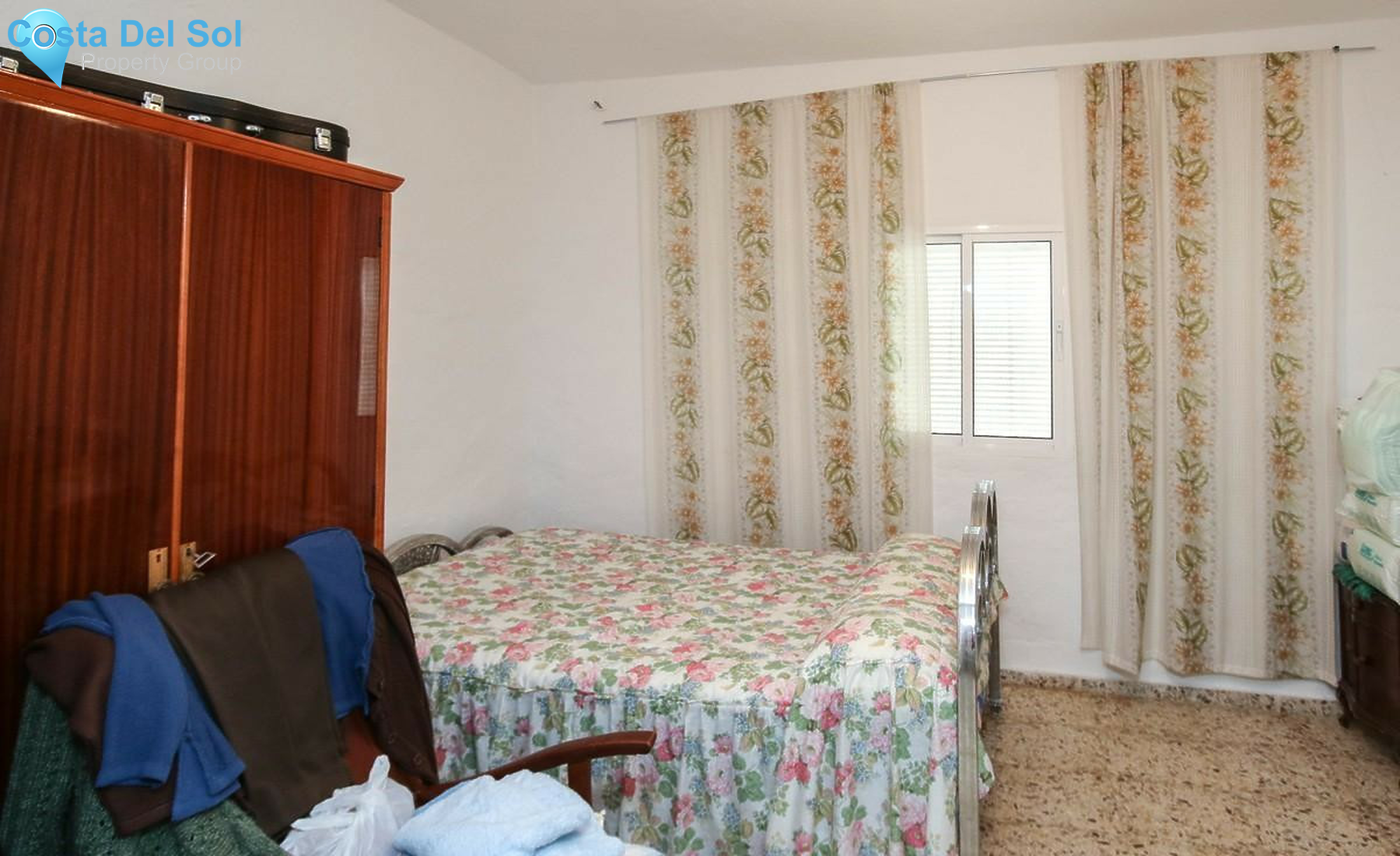
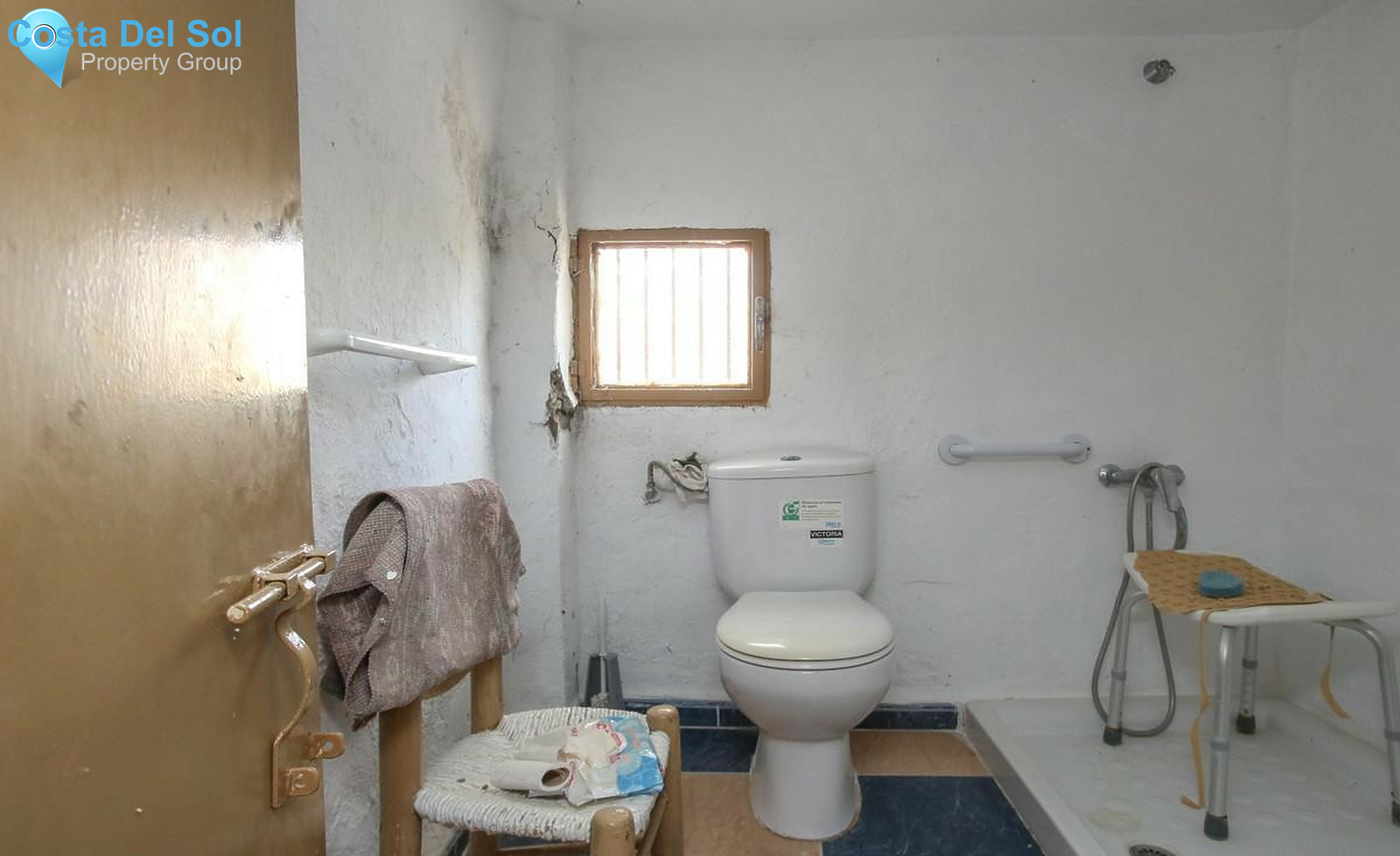
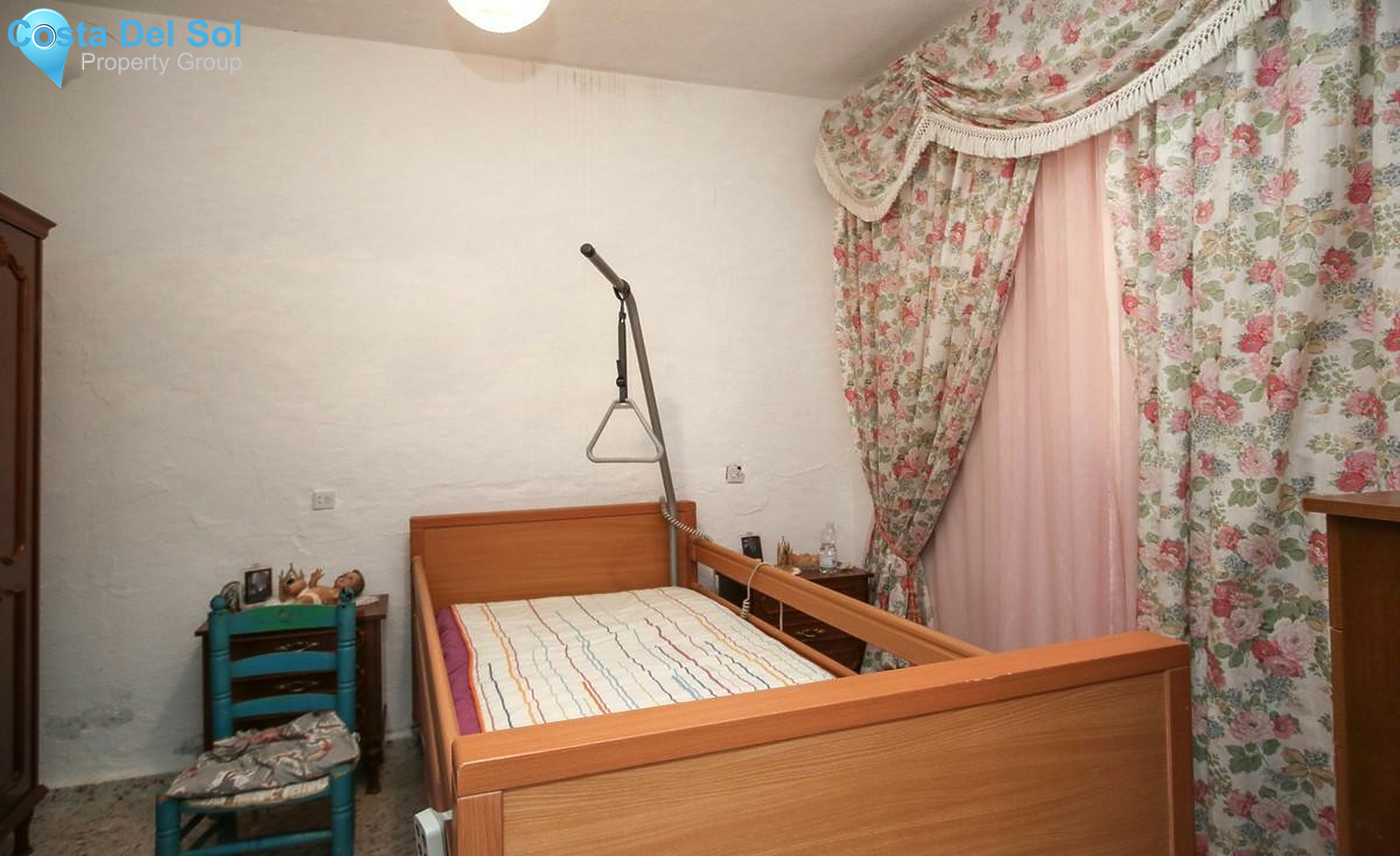
There are 3 bedrooms and a bathroom.
Outside there is plenty of space to create a garden and there is also a paved terrace available, perfect to enjoy the piece and tranquillity.
Pizarra is a charming, small village located along the local railway line between Málaga and Alora.
The village has many restaurants and bars where you can enjoy local food, drinks and a typical Andalusian night out.
The village also has an interesting Municipal Museum, which was created to exhibit the collection of the famous American painter Gino Hollander, who lived in the area for many years.
20 km North of Pizarra, you find El Chorro and the famous ‘El Caminito del Rey’.
This is a walkway pinned along the steep walls of a narrow cliff.
It used to be the most dangerous walkway of the world, but after years of extensive repairs and renovations it is now one of the most popular tourist attractions of the area.
Pizarra is only a 30 minutes (35 km.) drive from Málaga, the airport and the beaches of the Costa del Sol and offers the best of both worlds.
Property video
Location
- Area: Costa del Sol
- Town: Pizarra
Current Weather in Pizarra
About:
Pizarra is a town and municipality in the province of Málaga, part of the autonomous community of Andalusia in southern Spain.
The municipality is situated approximately 30 kilometres from Málaga.
It is located in the center of the province and belongs to the comarca of Valle del Guadalhorce.
The town is served by the Málaga Metropolitan Transport Consortium Metropolitan bus lines.
The municipality of Pizarra is located in a strategic area in the Guadalhorce Valley region, between Álora and Cártama.
It is 10 km from Álora and around 13 km from Cártama.
Pizarra is crossed by the Guadalhorce River along 8.5 kilometres (which has a width of 11.5) and 8 km, from east to west and from north to south, respectively.
Pizarra is also surrounded by Almogía, Cártama, Coín, Álora, and Casarabonela .
It is located 80 meters above sea level.
Its highest point is in the Sierra de Gibralmora, 447 meters above sea level, which offers, on the side facing Pizarra, a unique landscape of sandstone rocks that is made spectacular by some of the shapes that this rock presents at the top.
Pizarra is very well connected to its capital, Málaga, which is 30 km away and can be reached from the town by road, bus or rail.
Pizarra is a municipality dedicated to irrigation, as it has a municipal surface area of just over 64 km² dedicated to this.
The local products of the land are typical of the Guadalhorce Valley, as are the neighbouring towns.
In dry land, the most important crops are olive and almond trees, and to a lesser extent, but no less important, cereals and legumes.
As for irrigated land, lemon and orange trees predominate.
In the western half of the area, the new irrigation systems of the Guadalhorce have transformed the small hills and undulating terrain into terraces where citrus fruits, subtropical crops and other fruit trees are grown, completing and enhancing the landscape of traditional orchards.
Centuries-old carob trees, olive trees, fig trees, almond trees, walnut trees and fruit trees beautify the landscape all year round.
Drinking water comes from the high mountains, which are rich in streams.
Land ownership, on the other hand, is more concentrated here, which produces a high number of temporary workers, seasonal workers who depend on the harvest season, and others to a lesser extent who are self-employed.
On the other hand, there is little incidence of agricultural cooperatives.
In livestock farming, the most prominent are chicken and pig farms.
Hence, there are feed and flour factories, as well as some textile cooperatives and metal carpentry workshops.
The construction sector is more dynamic than the industrial sector.
The tertiary sector employs a quarter of the population.
This is where the future of these towns lies, through the symbiosis of nature, work and services.
In recent years, rural tourism has become more important.
Notice: Trying to access array offset on value of type bool in /var/www/clients/client5/web6/web/Global-Includes/footer.php on line 1
File does not exist. "https://costadelsolpropertygroup.com/propertyVideos/noVideo.mp4"