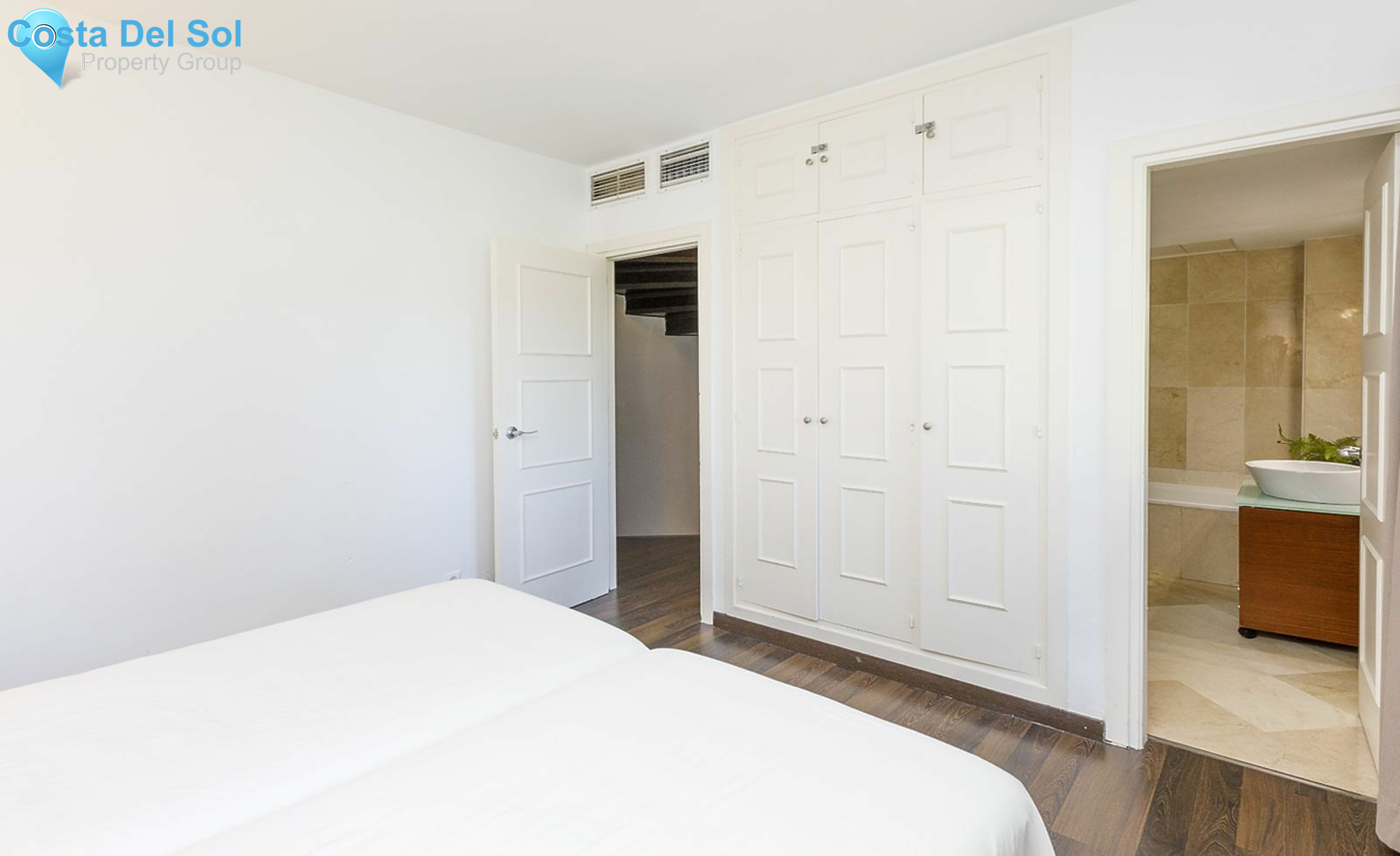
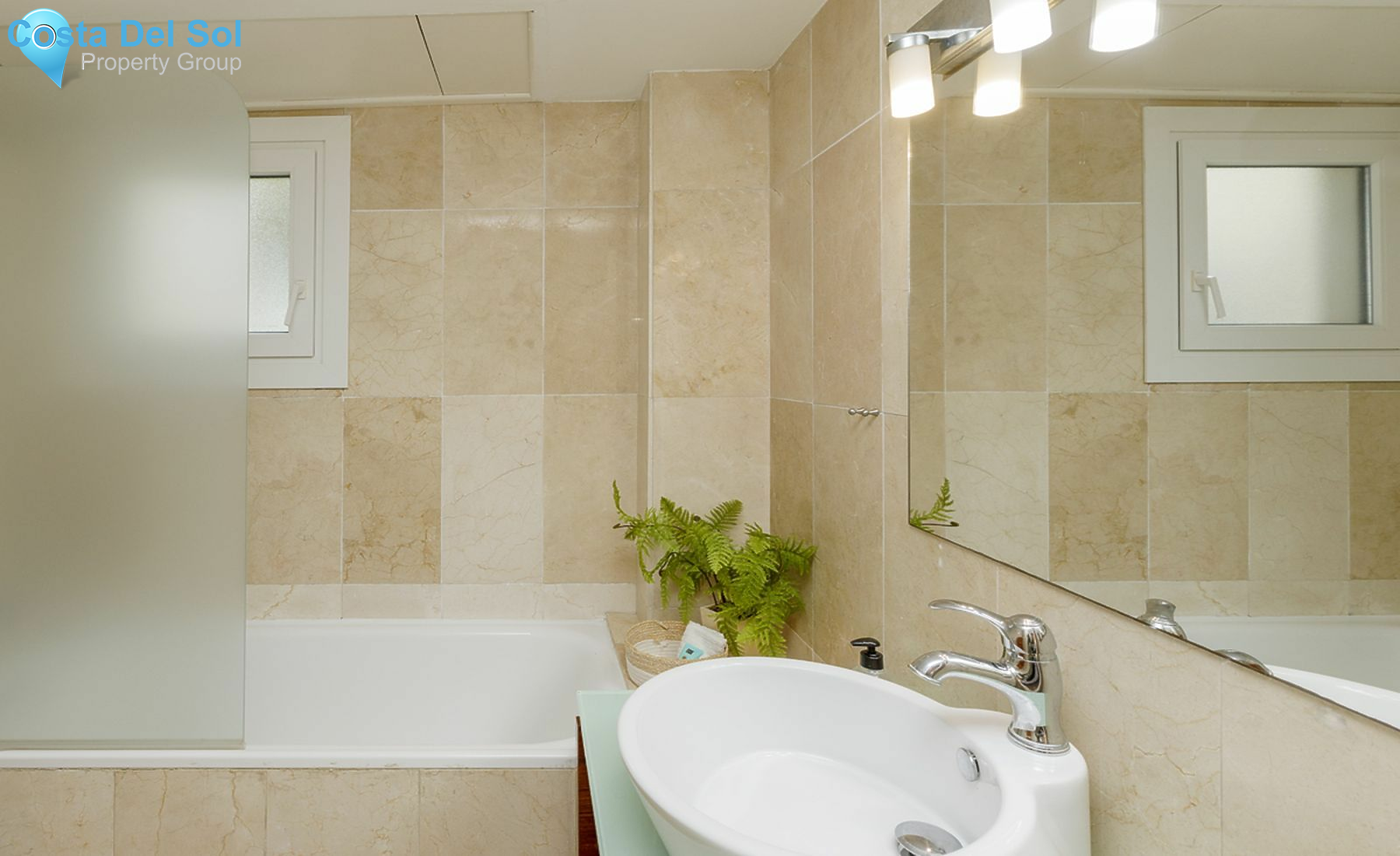
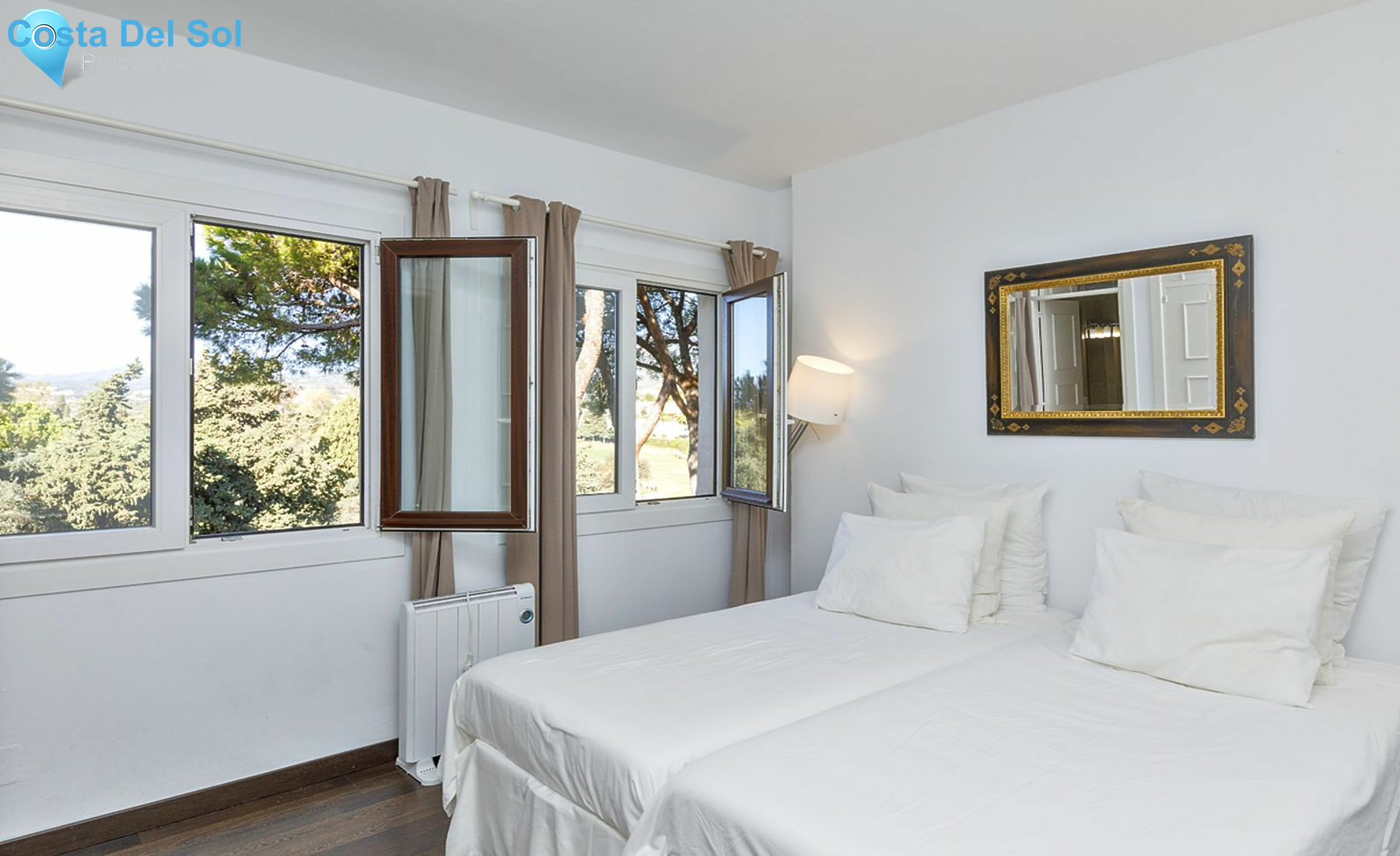
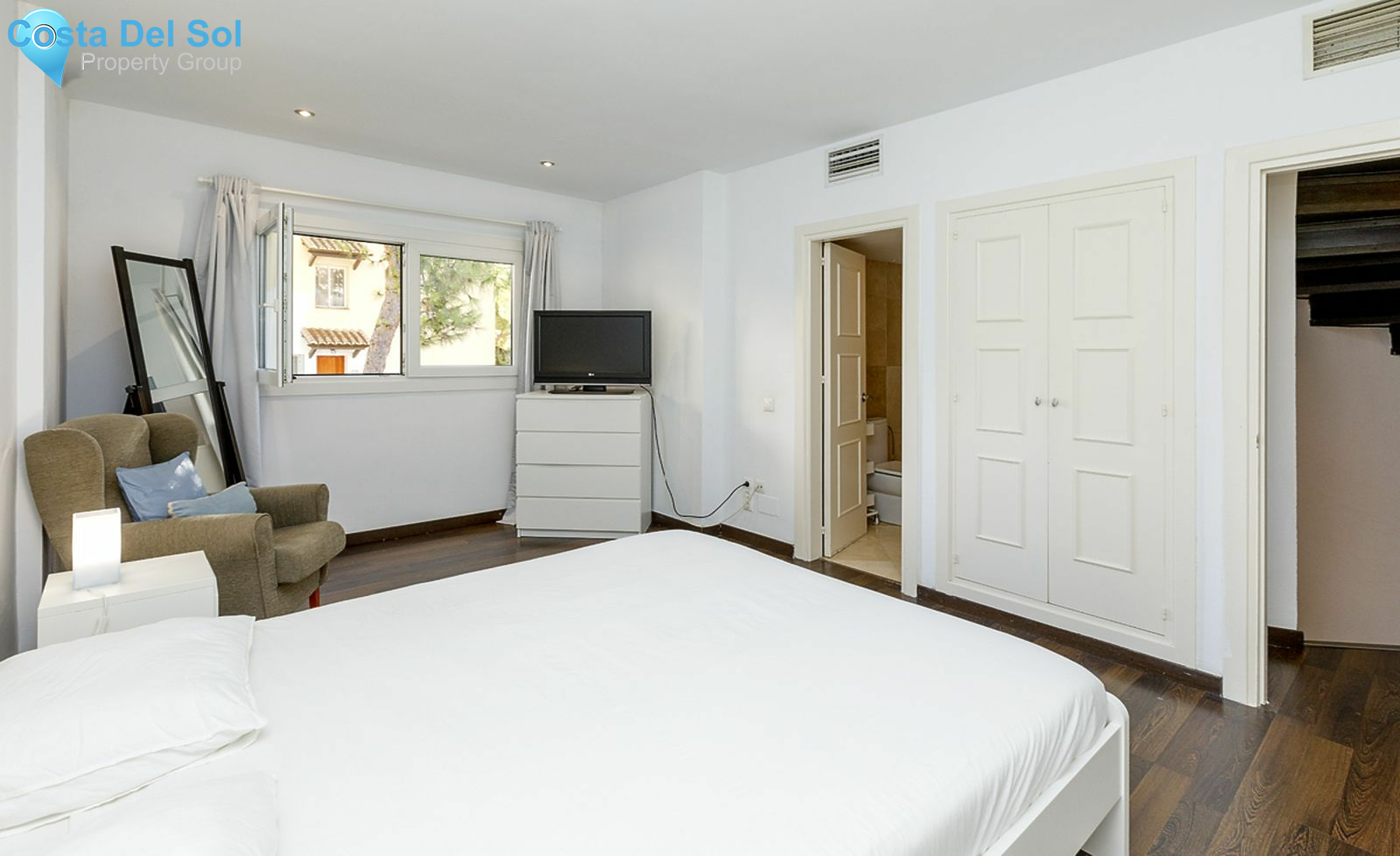
Property details
- Property ID: CDS31197
- Price: € 380,000
- Plot Size: 0 m2
- Built Size: 160 m2
- Terrace Size: 10 m2
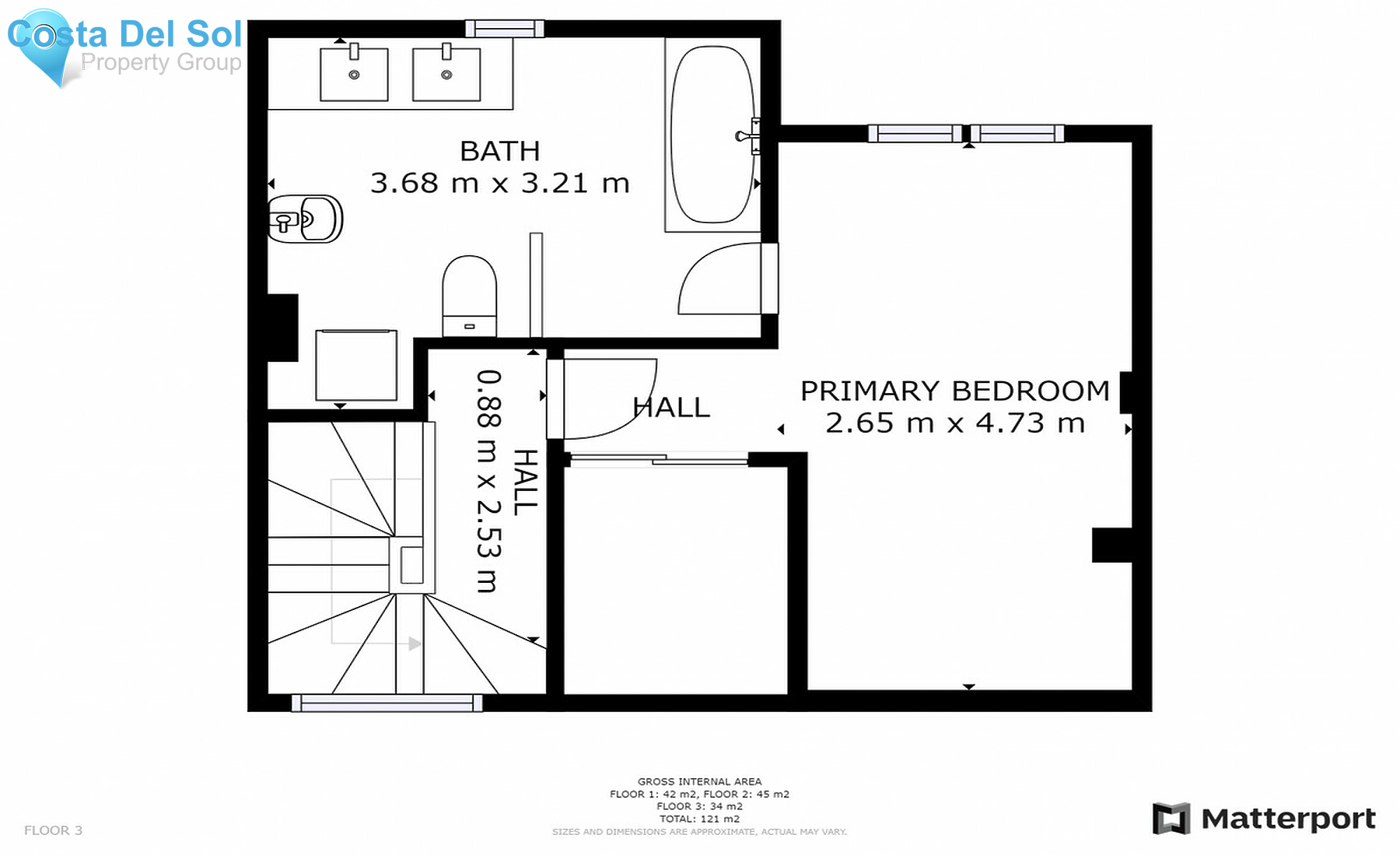
- Bedrooms: 3
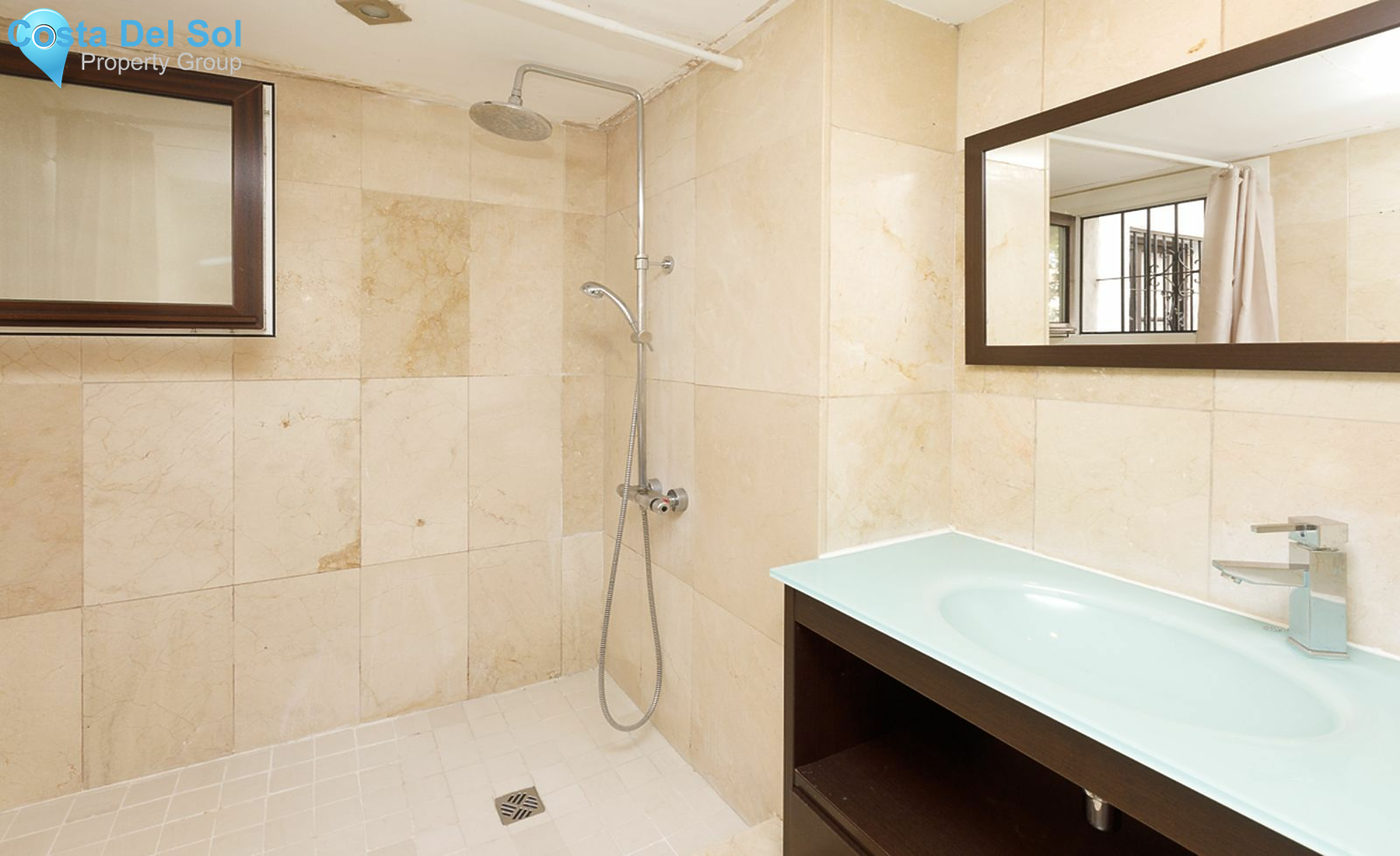
- Bathrooms: 2
- Property Type: Townhouse
Notice: Trying to access array offset on value of type bool in /var/www/clients/client5/web6/web/property.php on line 328
Notice: Trying to access array offset on value of type bool in /var/www/clients/client5/web6/web/property.php on line 328
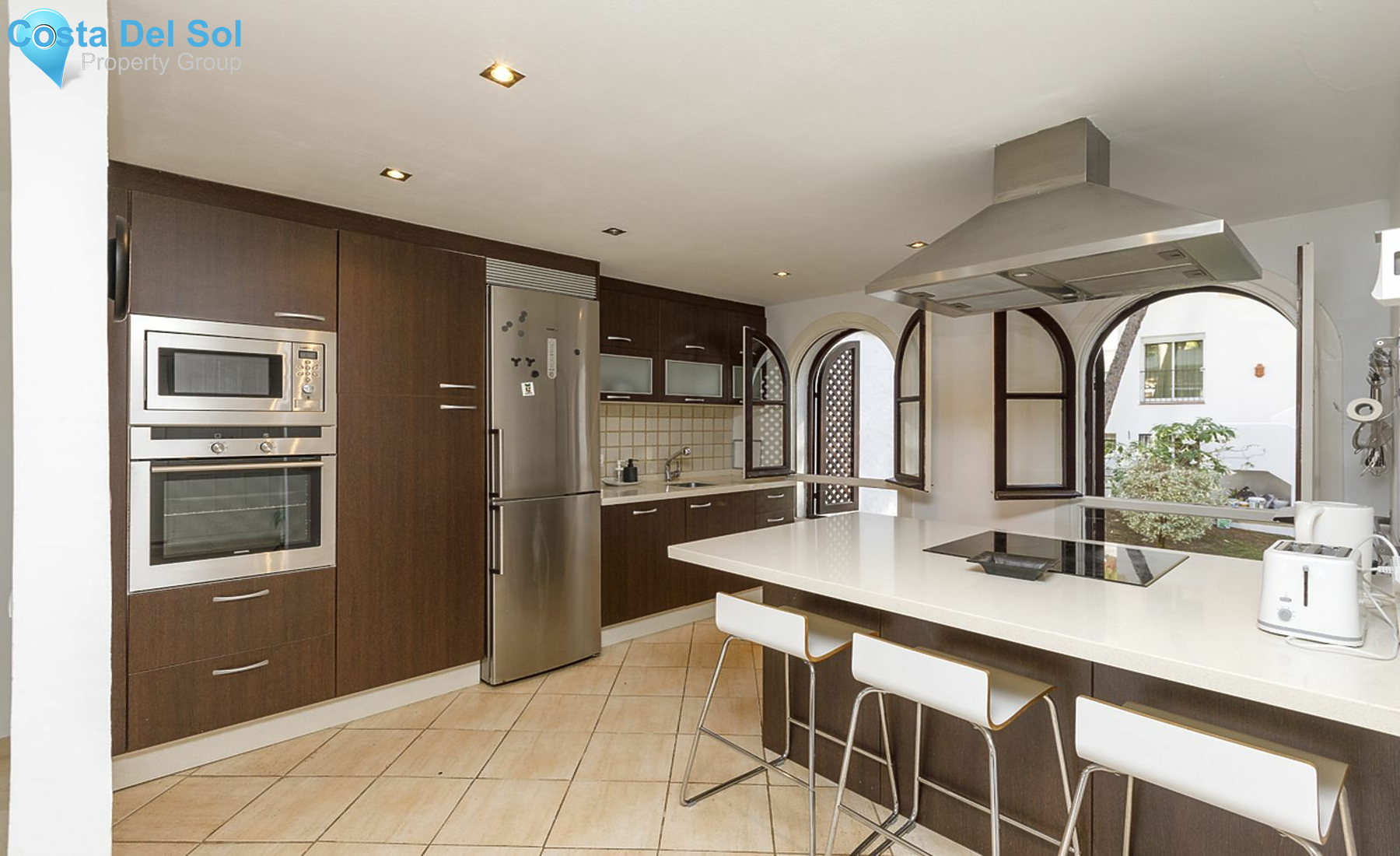
- Kitchen: Fully Fitted
- Pool: Communal
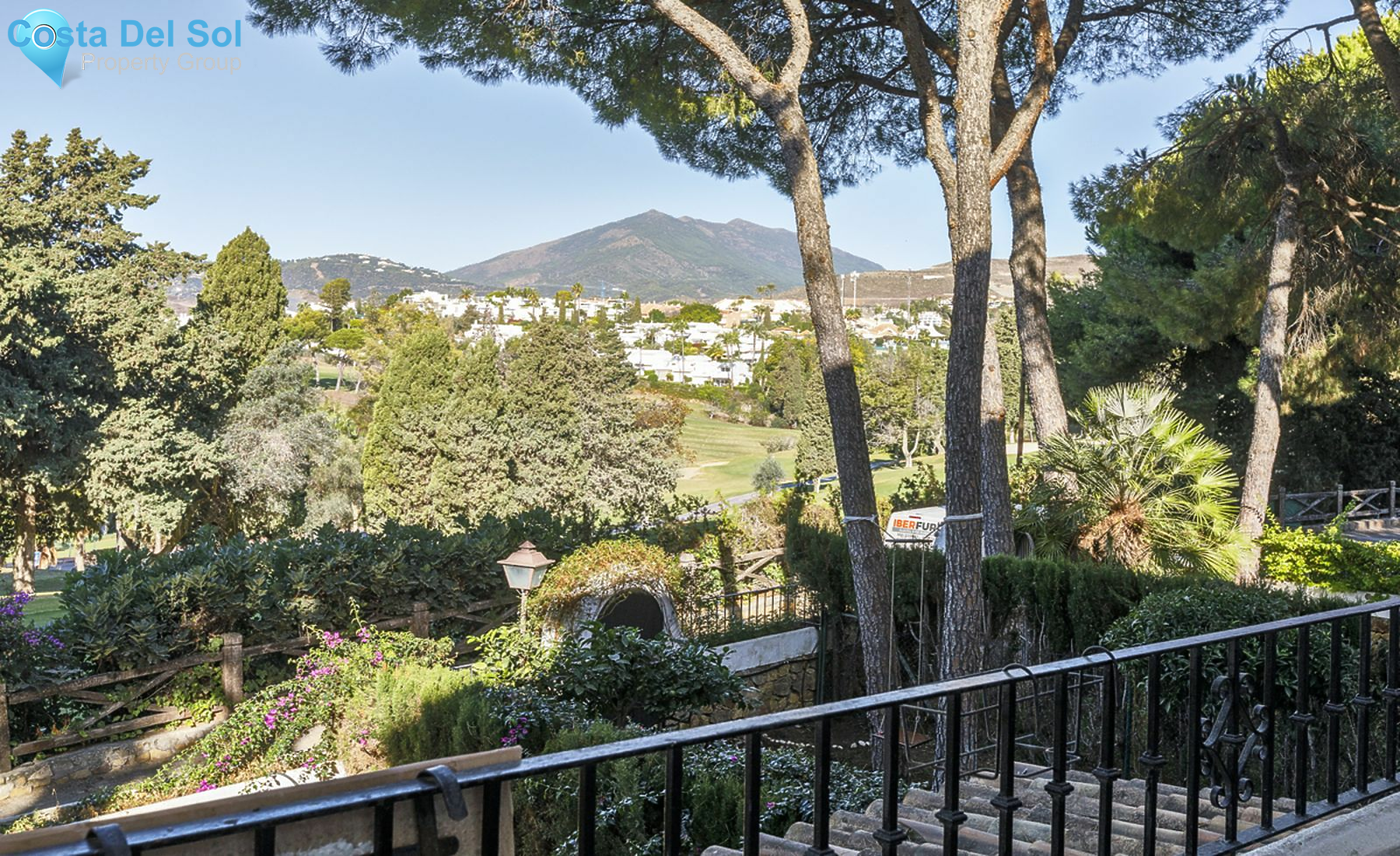
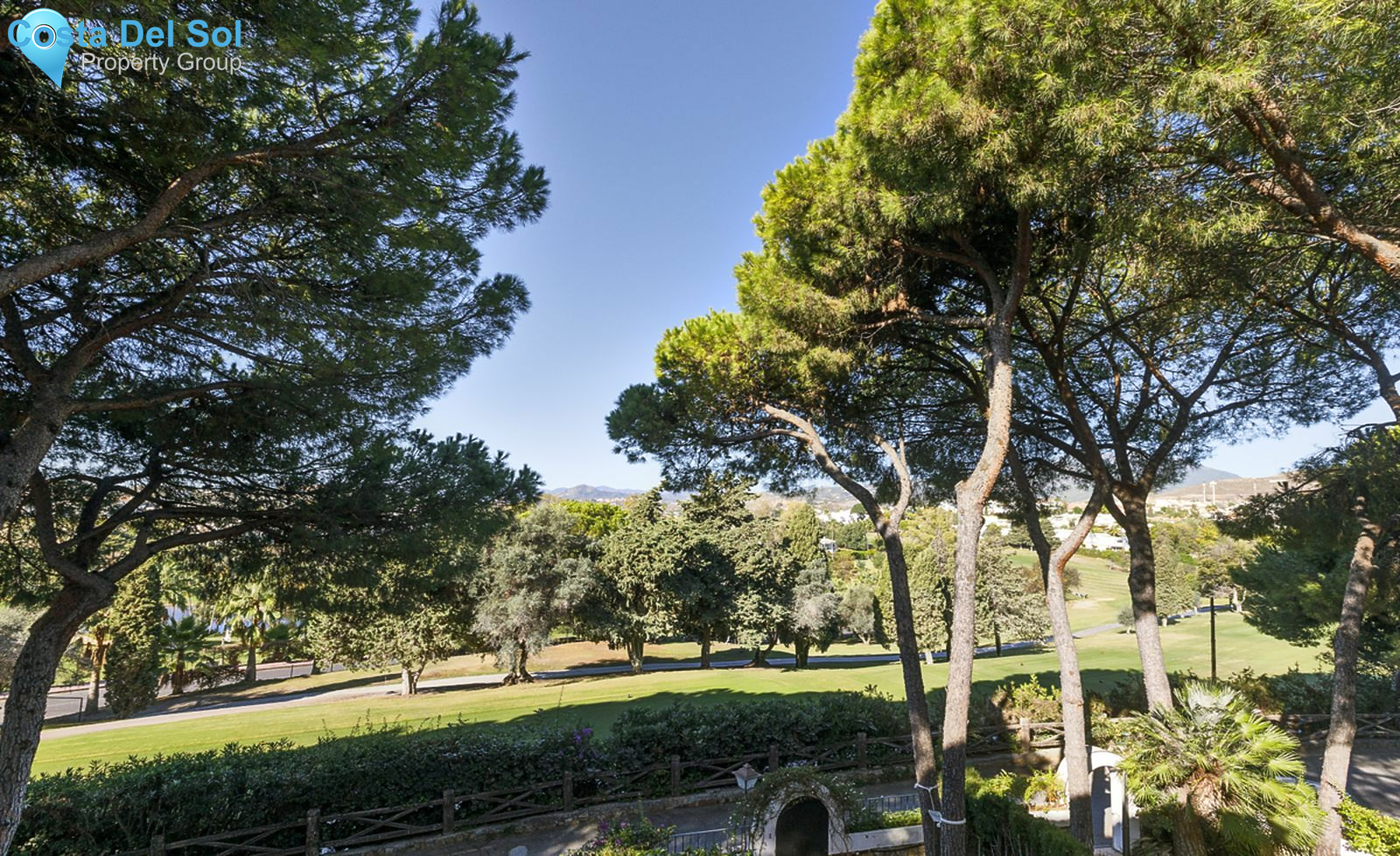
- Views: Golf,Courtyard
- Garden: Communal
- Parking: Communal
- Security: Gated Complex
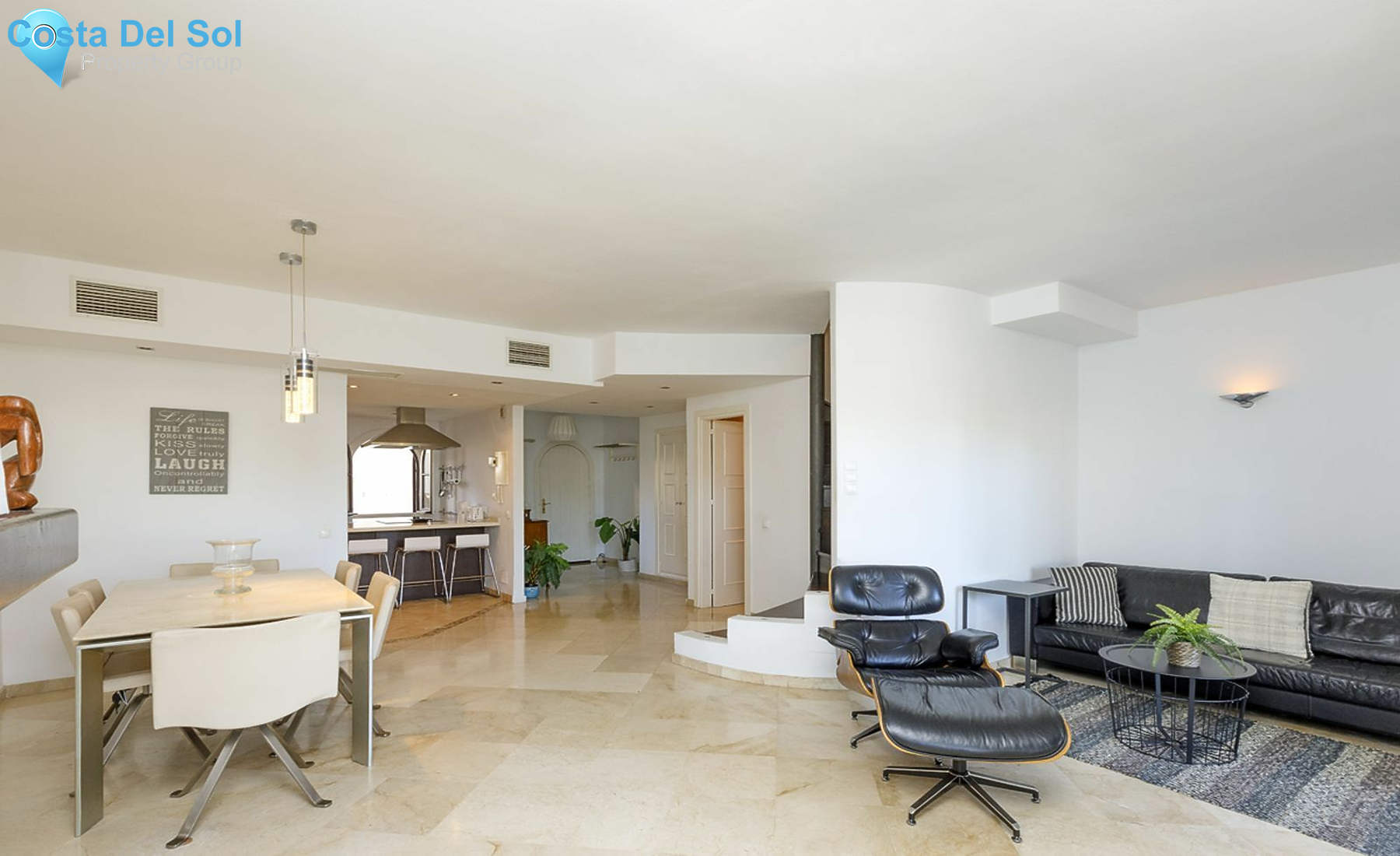
- Furniture: Fully Furnished
Setting
- Close To Golf,Close To Port,Close To Shops,Close To Sea,Close To Town,Close To Schools,Close To Marina,Urbanisation
Description
Three bedroom townhouse located in Aloha Golf.
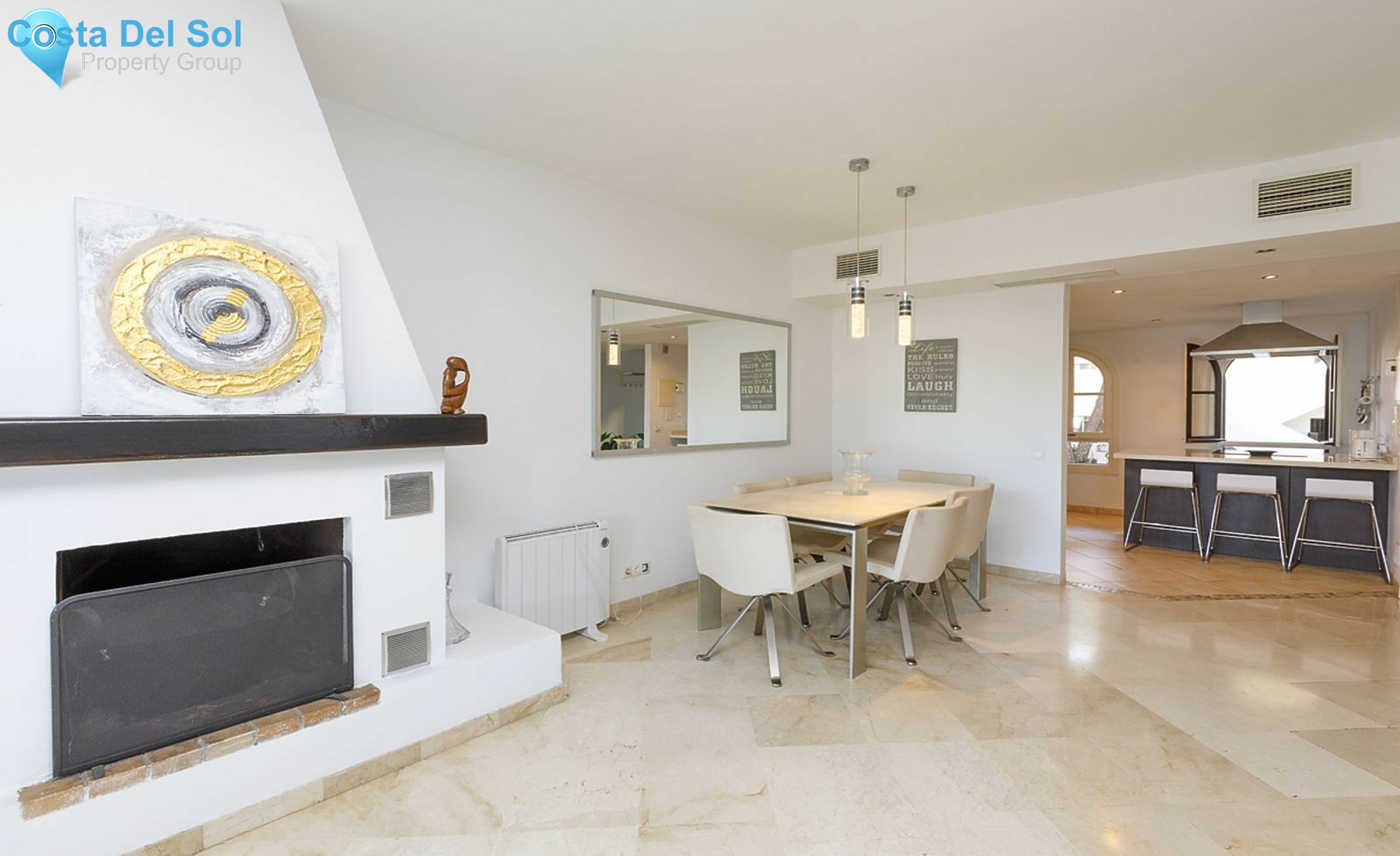
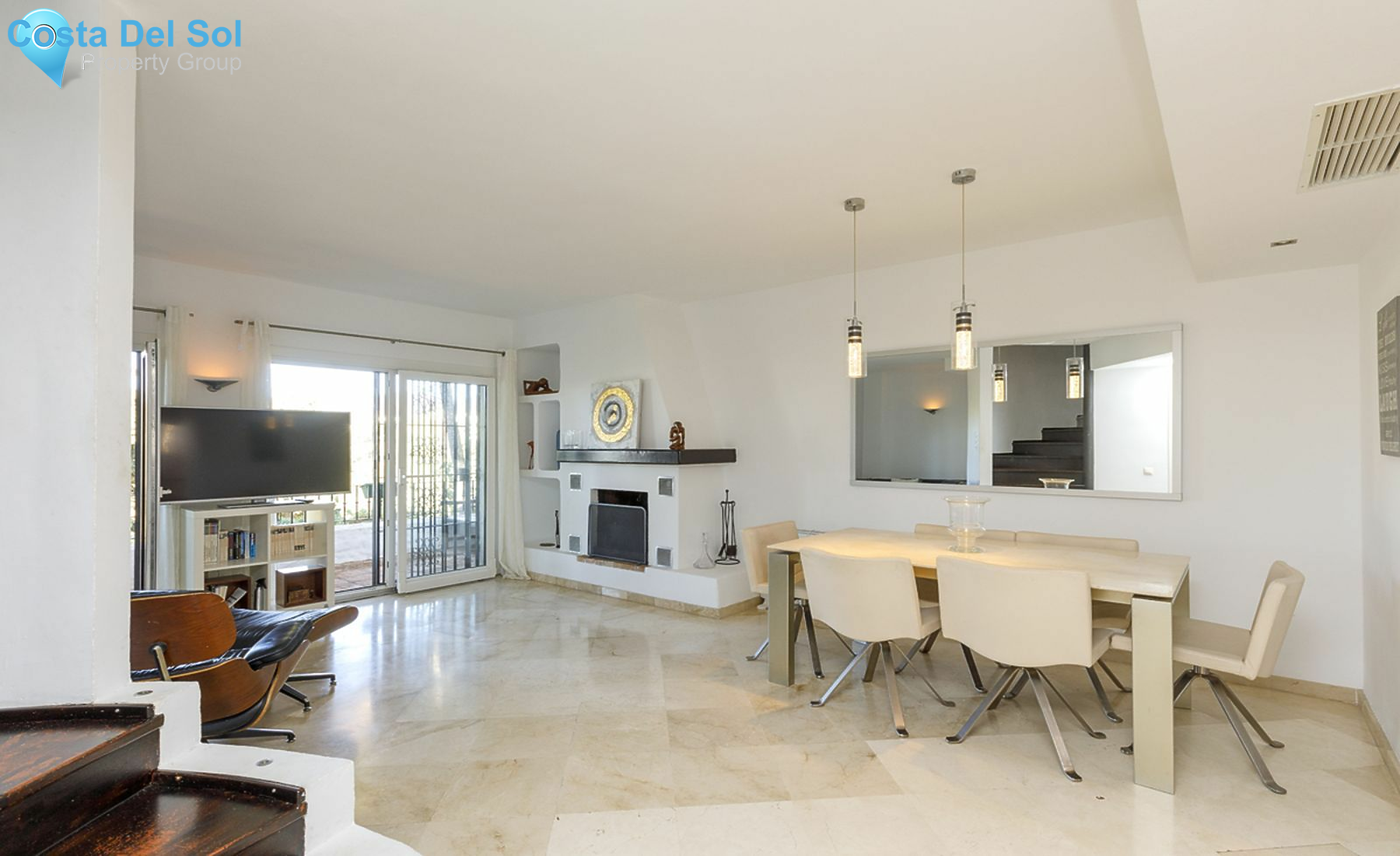
Open plan modern kitchen and living area.
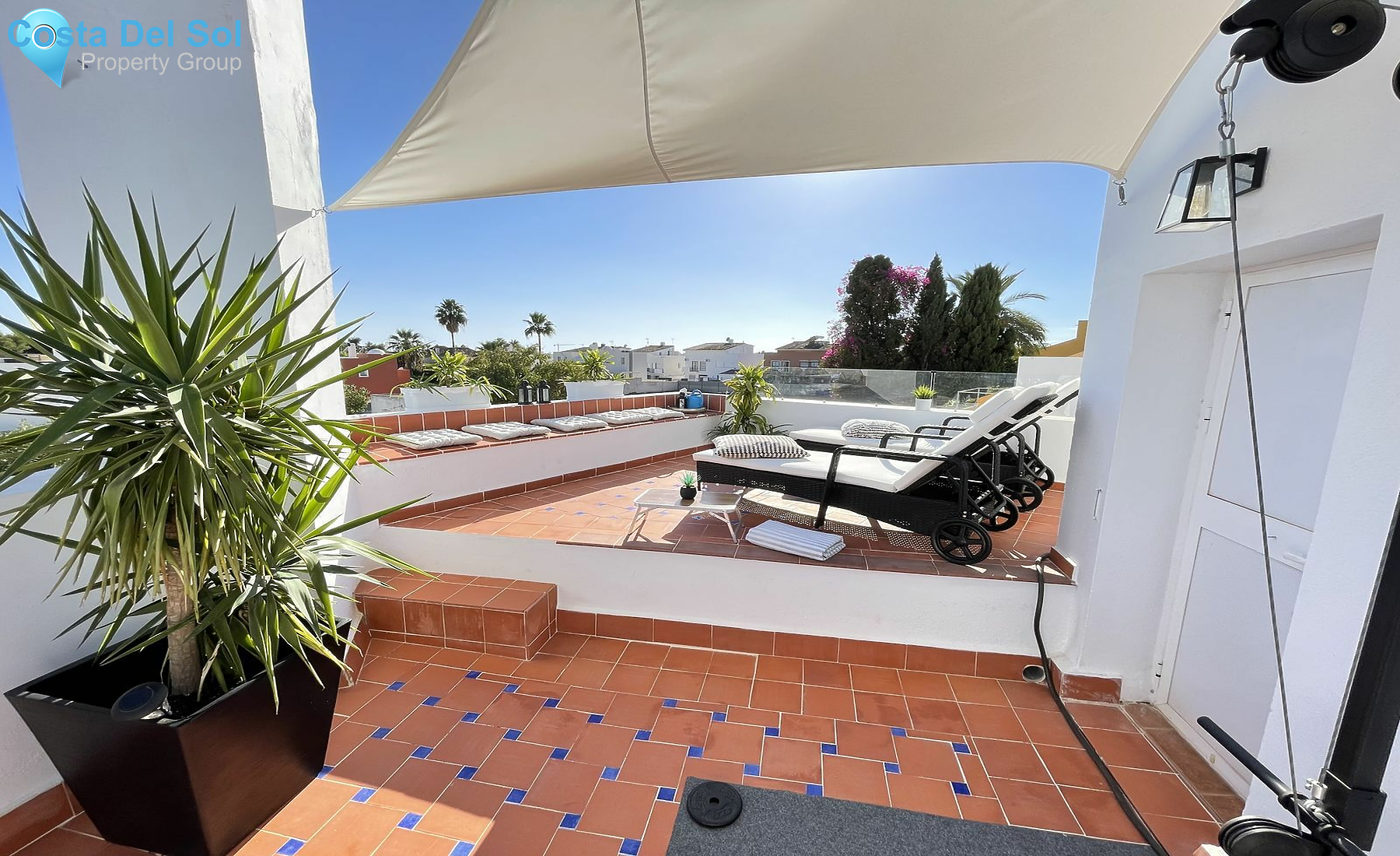
Views to Aloha golf from the living area and terrace which is West facing benefitting from the afternoon sun.
You can walk to Aloha Golf Club and the local supermarket from the property.
There is also a bus stop outside.
Under ten minutes drive to Puerto Banus and Aloha.
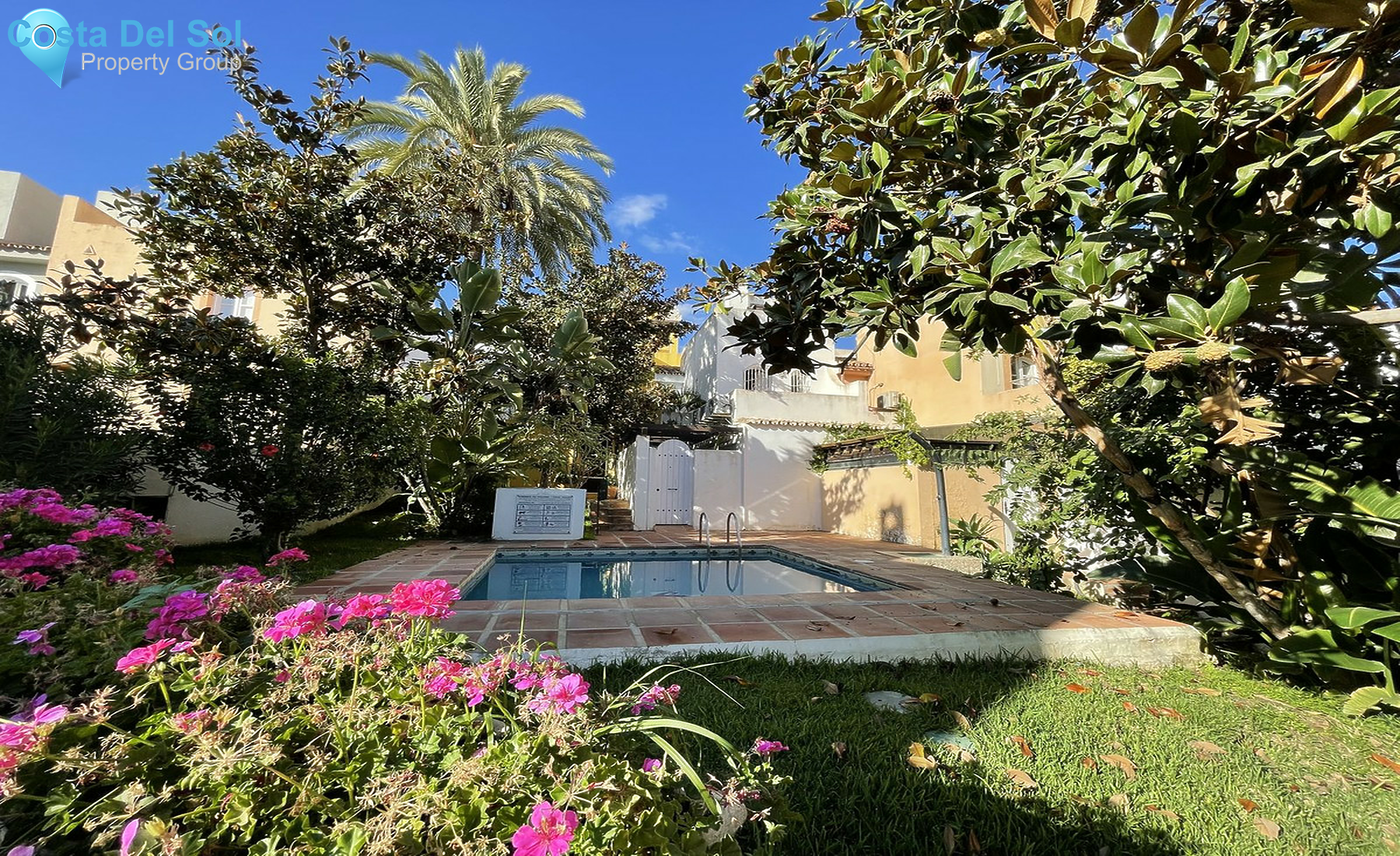
The complex is gated and there is a communal pool.
Features
- Near Transport,Private Terrace,Marble Flooring,Fiber Optic
Property video
Location
- Area: Málaga
- Town: Aloha
Current Weather in Aloha
About:
Aloha ( ə-LOH-hah, Hawaiian: [əˈlohə]) is the Hawaiian word for love, affection, peace, compassion and mercy, that is commonly used as a greeting.
It can be used to welcome or bid farewell to someone also.
It has a deeper cultural and spiritual significance for native Hawaiians, who use the term to define a force that holds together existence.
Aloha is also considered central to the traditional Hawaiian practice of hoʻoponopono.
The word is found in all Polynesian languages and always with the same basic meaning of "love, compassion, sympathy, kindness." Its use in Hawaii has a seriousness lacking in the Tahitian and Samoan meanings.
Mary Kawena Pukui wrote that the "first expression" of aloha was between a parent and child.
Lorrin Andrews wrote the first Hawaiian dictionary, called A Dictionary of the Hawaiian Language.
In it, he describes aloha as "A word expressing different feelings: love, affection, gratitude, kindness, pity, compassion, grief, the modern common salutation at meeting; parting".
Mary Kawena Pukui and Samuel Hoyt Elbert's Hawaiian Dictionary: Hawaiian-English, English-Hawaiian also contains a similar definition.
Anthropologist Francis Newton states that "Aloha is a complex and profound sentiment.
Such emotions defy definition".
Anna Wierzbicka concludes that the term has "no equivalent in English".
The word aloha is hard to translate into any other language because it comprises complex ways of being and of interacting with and loving all of creation.
An ethic of care and respect for all people and all elements of the land is wrapped up in aloha; it is a way of showing connection and reverence.
Queen Liliʻuokalani is known to have said, "Aloha is to learn what is not said, to see what cannot be seen, and to know the unknowable".
After the death of Lili'uokalani, some Native Hawaiians, considering her as an embodiment of a Hawaiian ali'i consoled themselves, "There will always be a Hawaii as long as there is aloha and forgiveness." Another way to interpret aloha is as an energy exchange — the giving and receiving of positive energy.
Aloha has been described as the coordination of the heart and mind to foster connectivity and peace.
The state of Hawaii introduced the Aloha Spirit law in 1986, which mandates that state officials and judges treat the public with Aloha.
The University of Hawai'i's Center for Labor Education and Research hosts the above statute of the Spirit of Aloha, which breaks down the concept into an acronym using each of the letters of the word:
"'Akahai,' meaning kindness, to be expressed with tenderness;
'Lōkahi,' meaning unity, to be expressed with harmony;
'ʻOluʻolu,' meaning agreeable, to be expressed with pleasantness;
'Haʻahaʻa,' meaning humility, to be expressed with modesty;
'Ahonui,' meaning patience, to be expressed with perseverance."
Taxes & Fees
Similar Properties
Notice: Trying to access array offset on value of type bool in /var/www/clients/client5/web6/web/Global-Includes/footer.php on line 1
File does not exist. "https://costadelsolpropertygroup.com/propertyVideos/noVideo.mp4"