
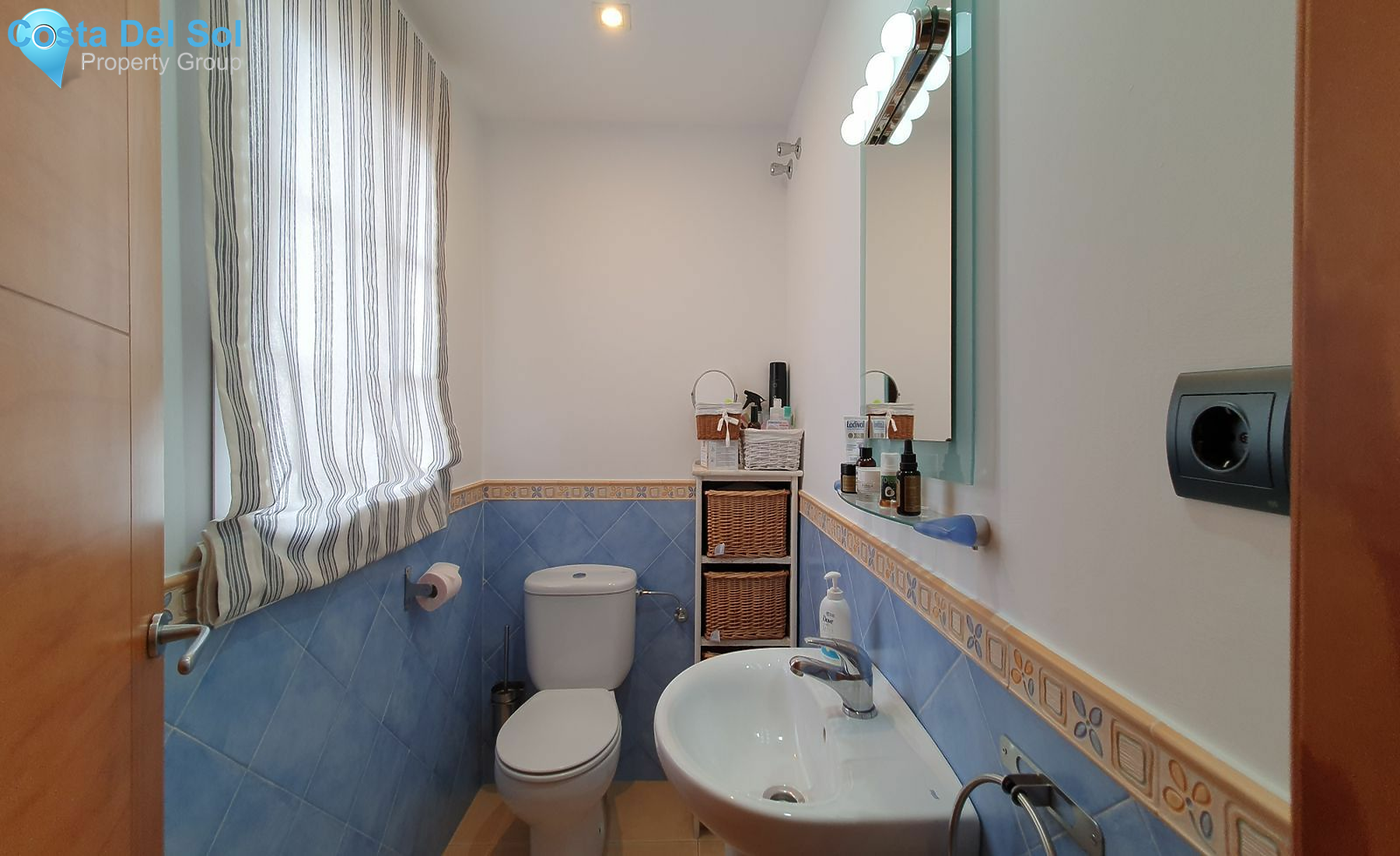
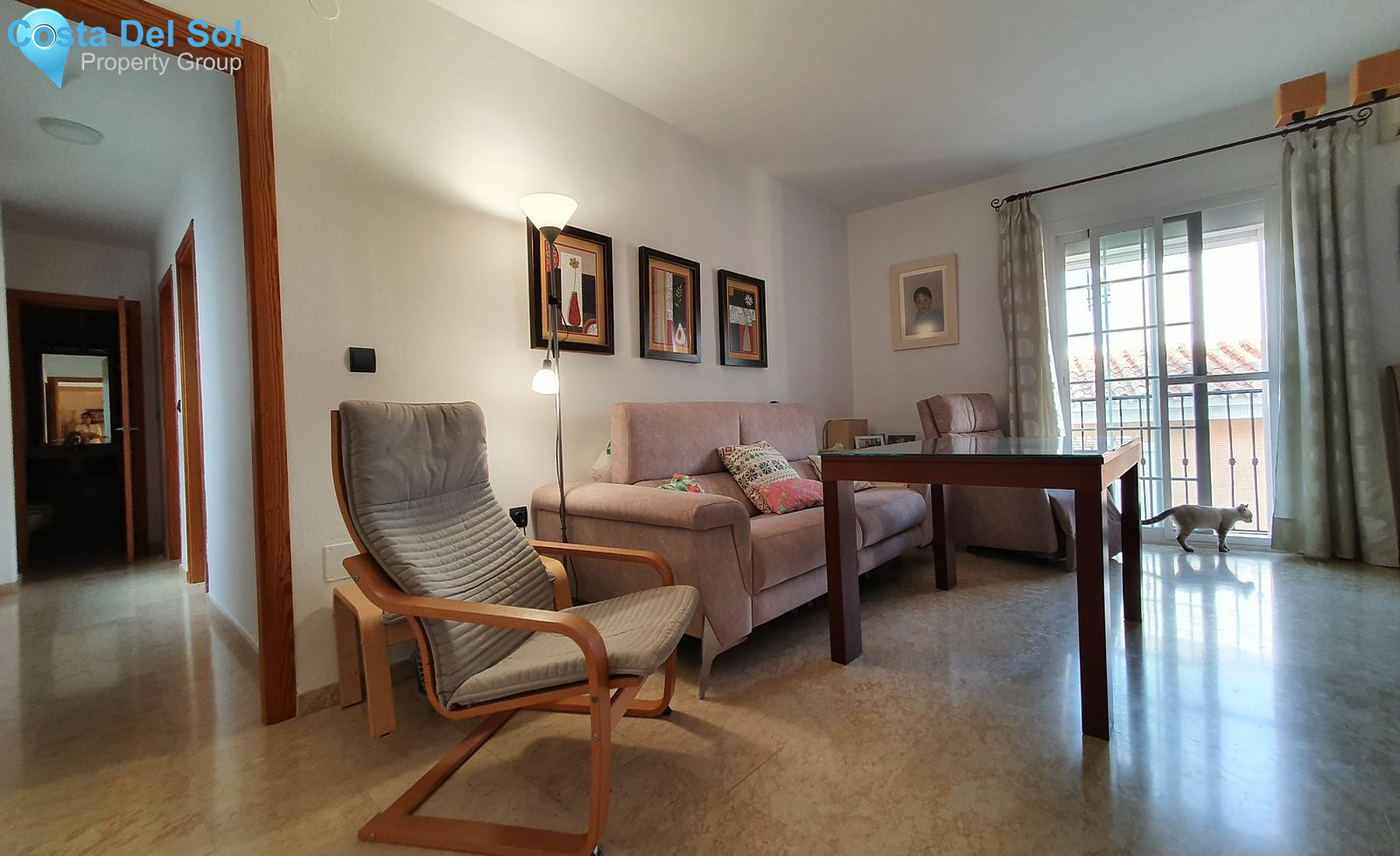
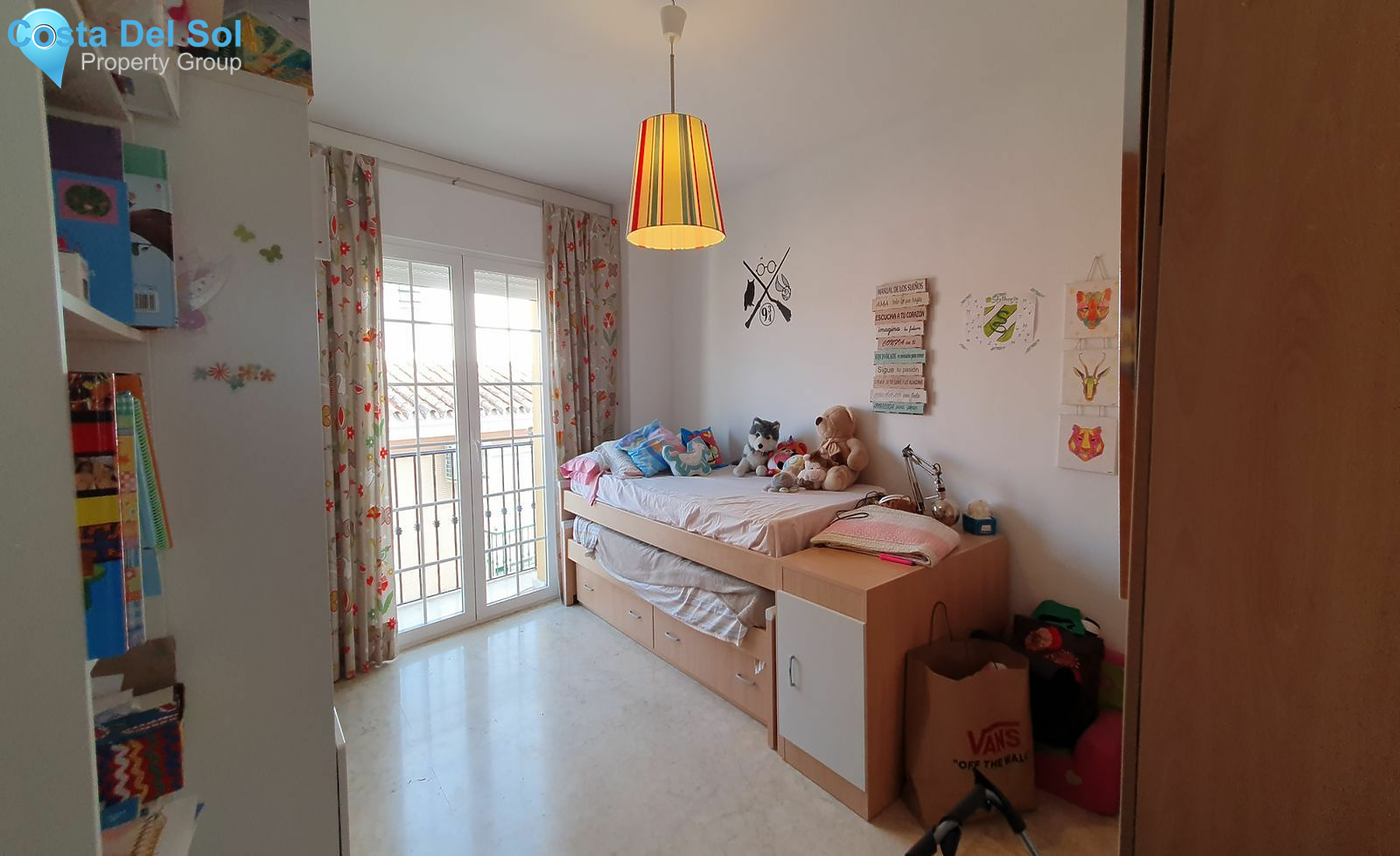
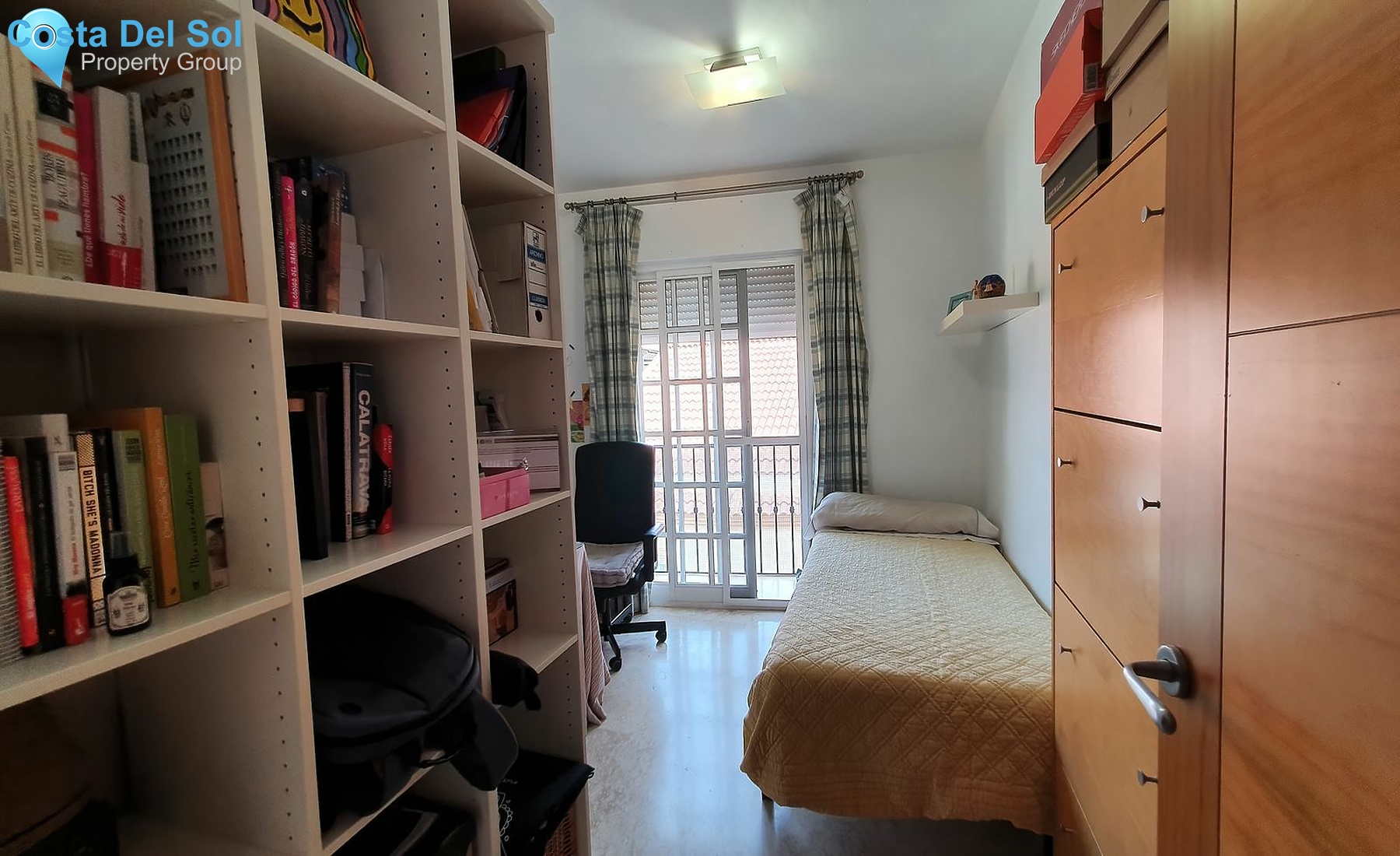
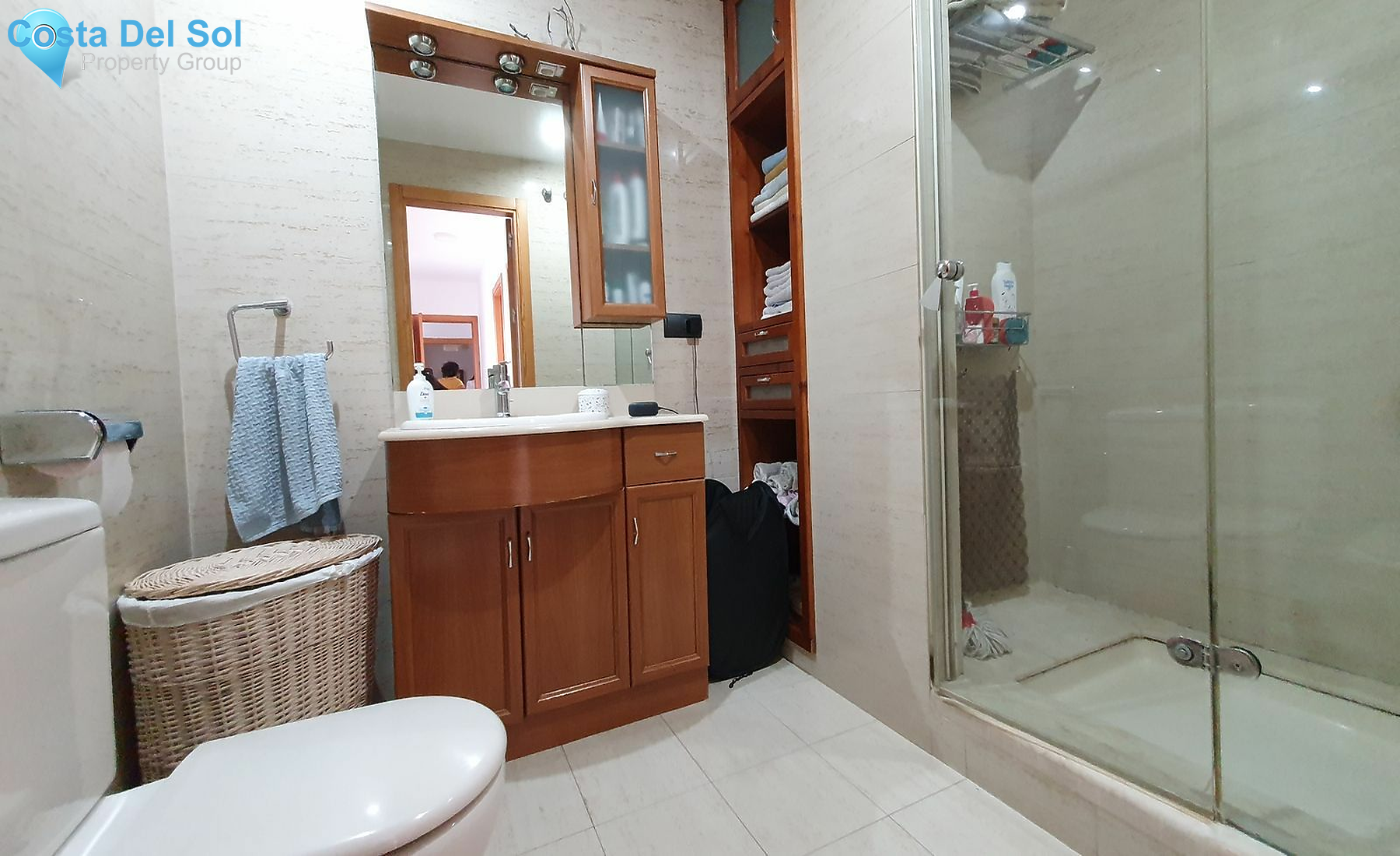
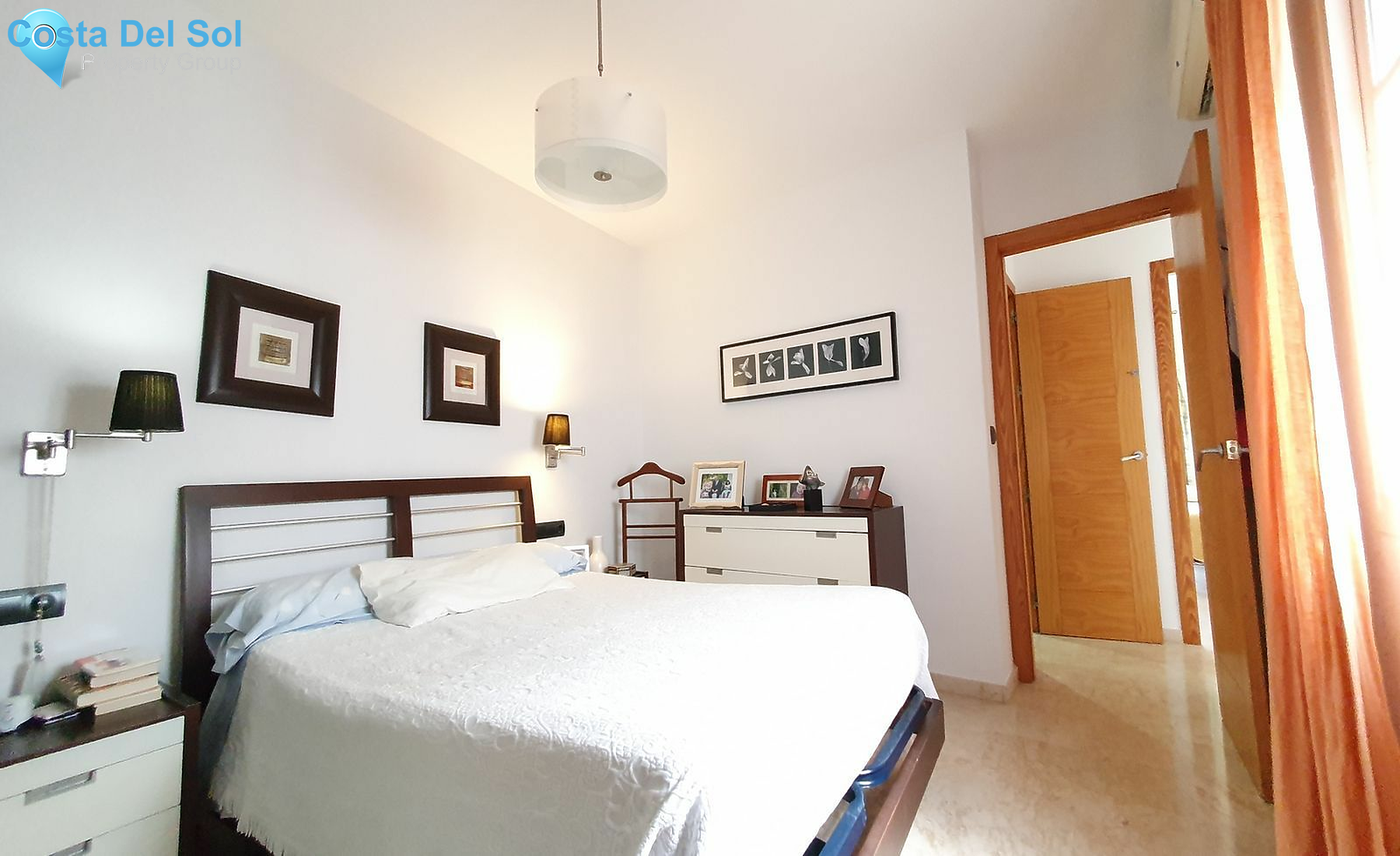
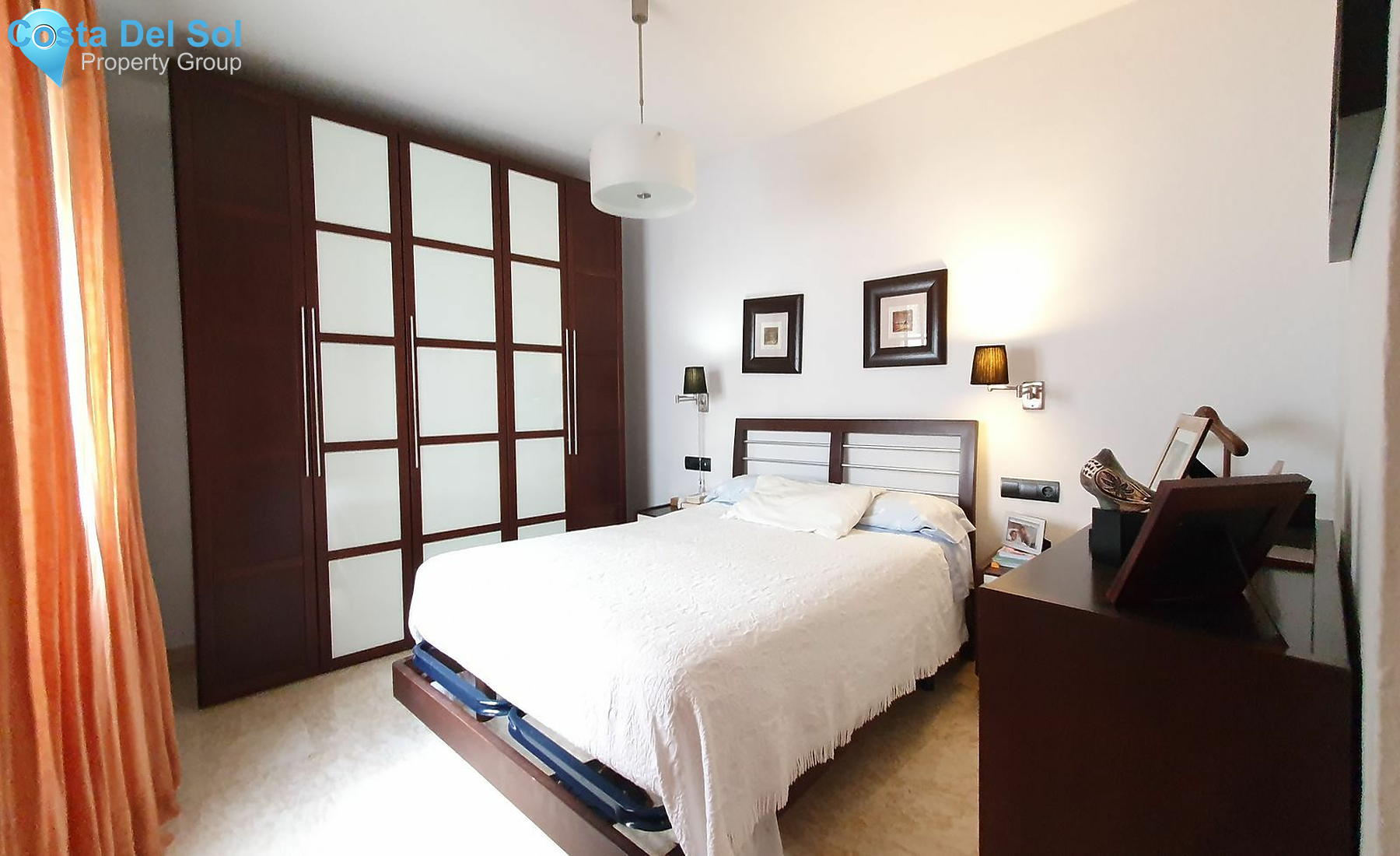
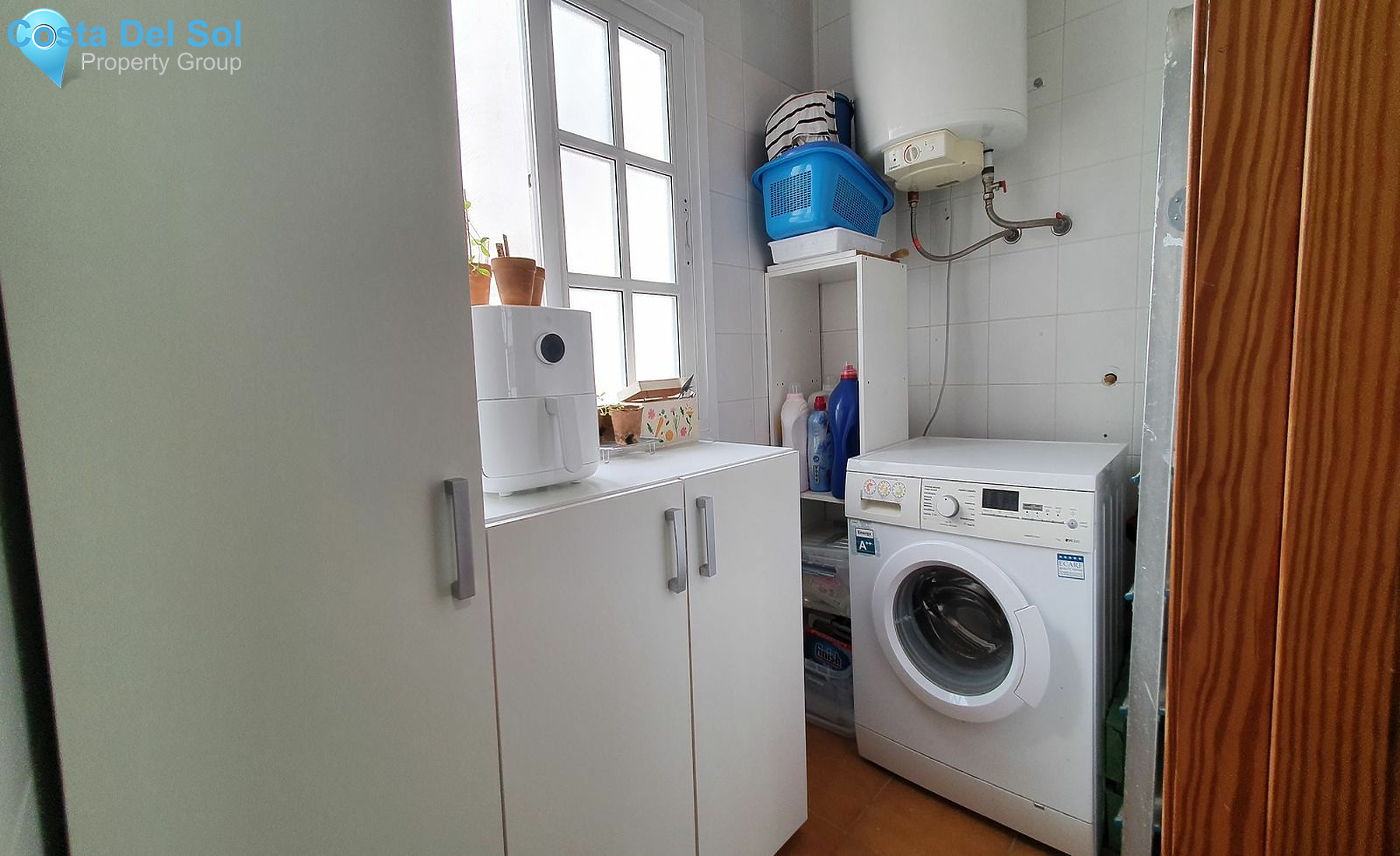
Property details
- Property ID: CDS31560
- Price: € 135,000
- Plot Size: 0 m2
- Built Size: 96 m2
- Terrace Size: 0 m2
- Bedrooms: 3
- Bathrooms: 1.5
- Property Type: Middle Floor Apartment
Notice: Trying to access array offset on value of type bool in /var/www/clients/client5/web6/web/property.php on line 328
Notice: Trying to access array offset on value of type bool in /var/www/clients/client5/web6/web/property.php on line 328
- Kitchen: Fully Fitted
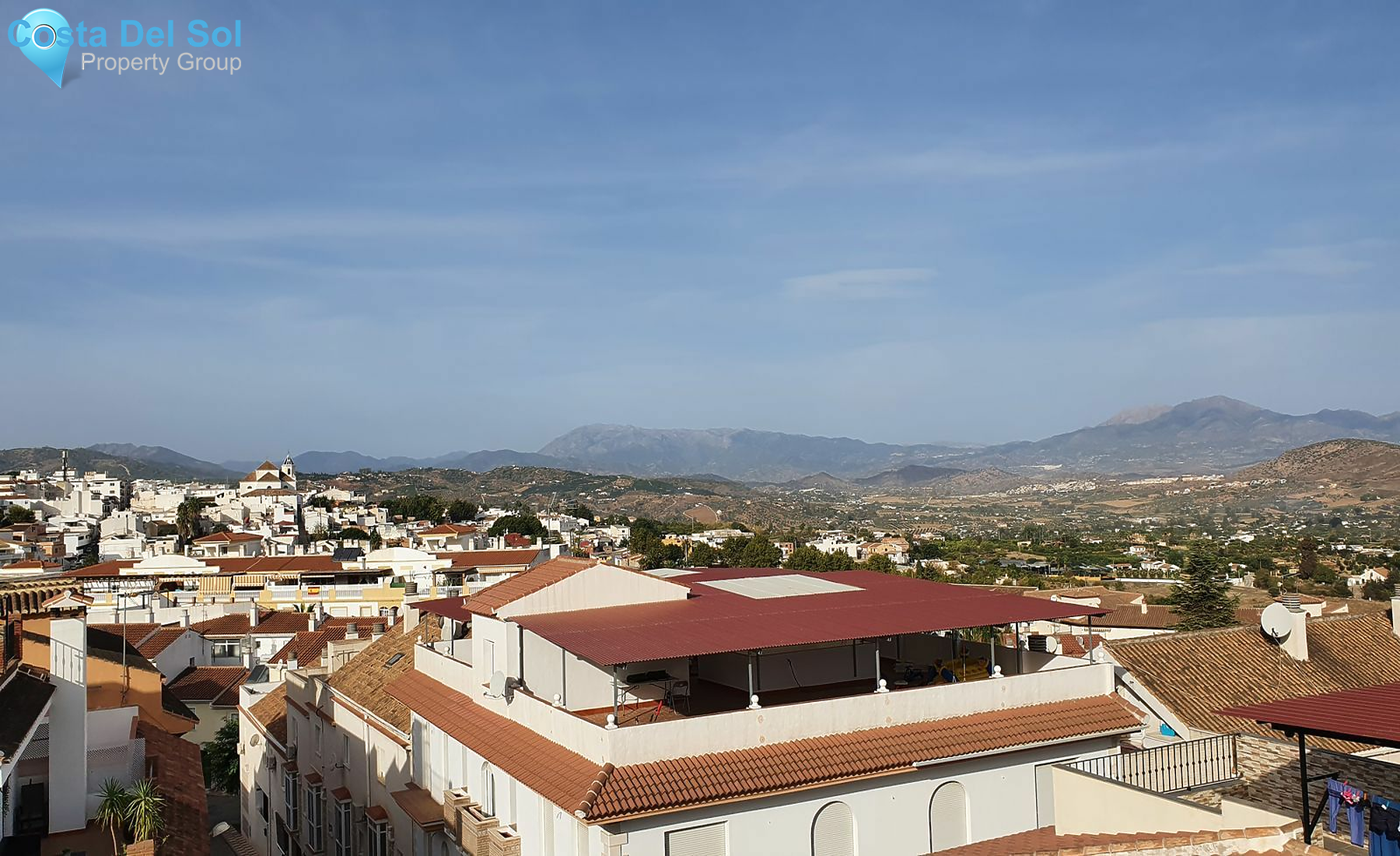
- Views: Mountain,Panoramic,Urban,Street
- Parking: Street
- Furniture: Optional
Setting
- Town
Description
Wonderful and bright apartment in a fantastic area of Alhaurín el Grande, located on the second floor WITHOUT A LIFT (ELEVATOR).
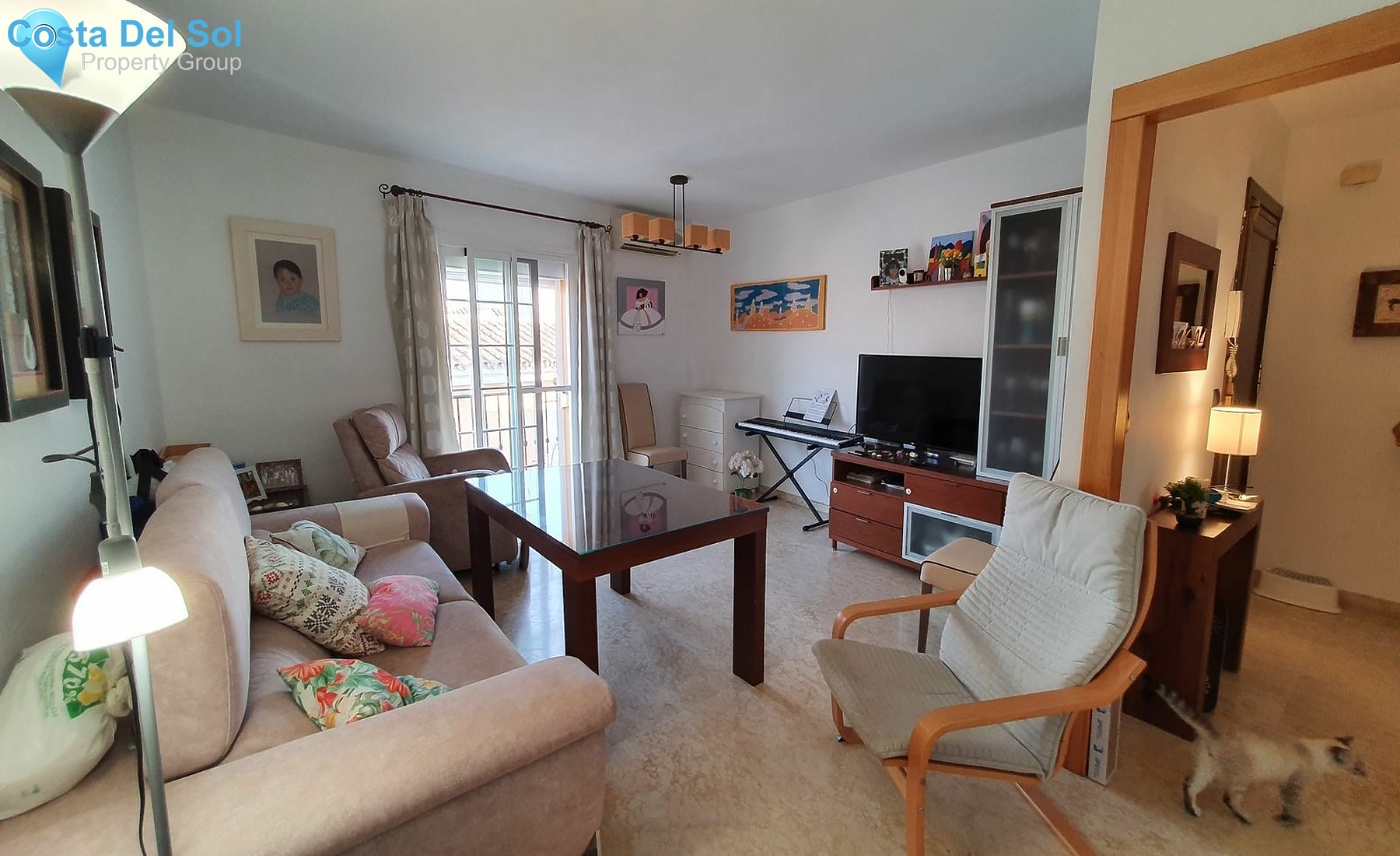
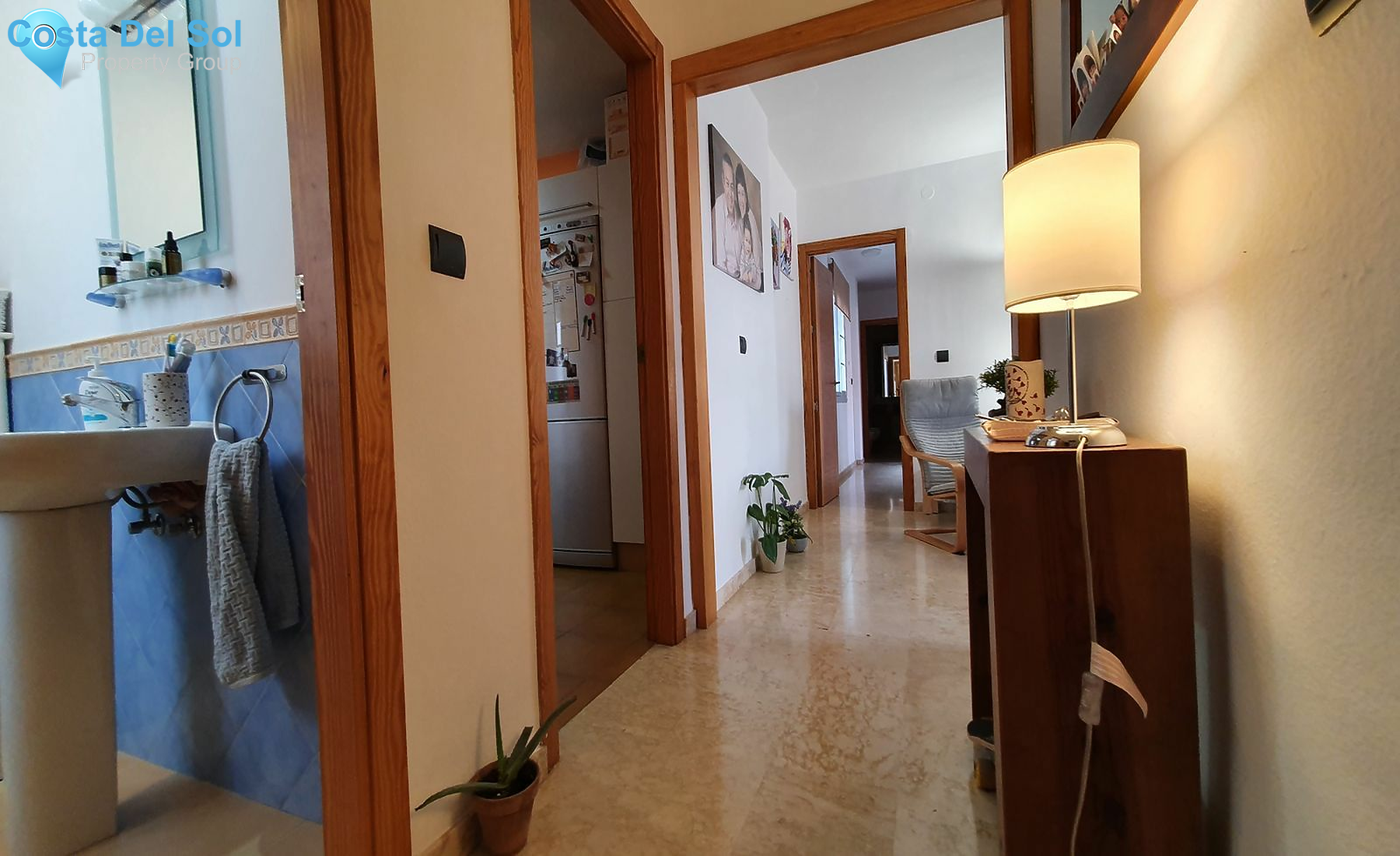
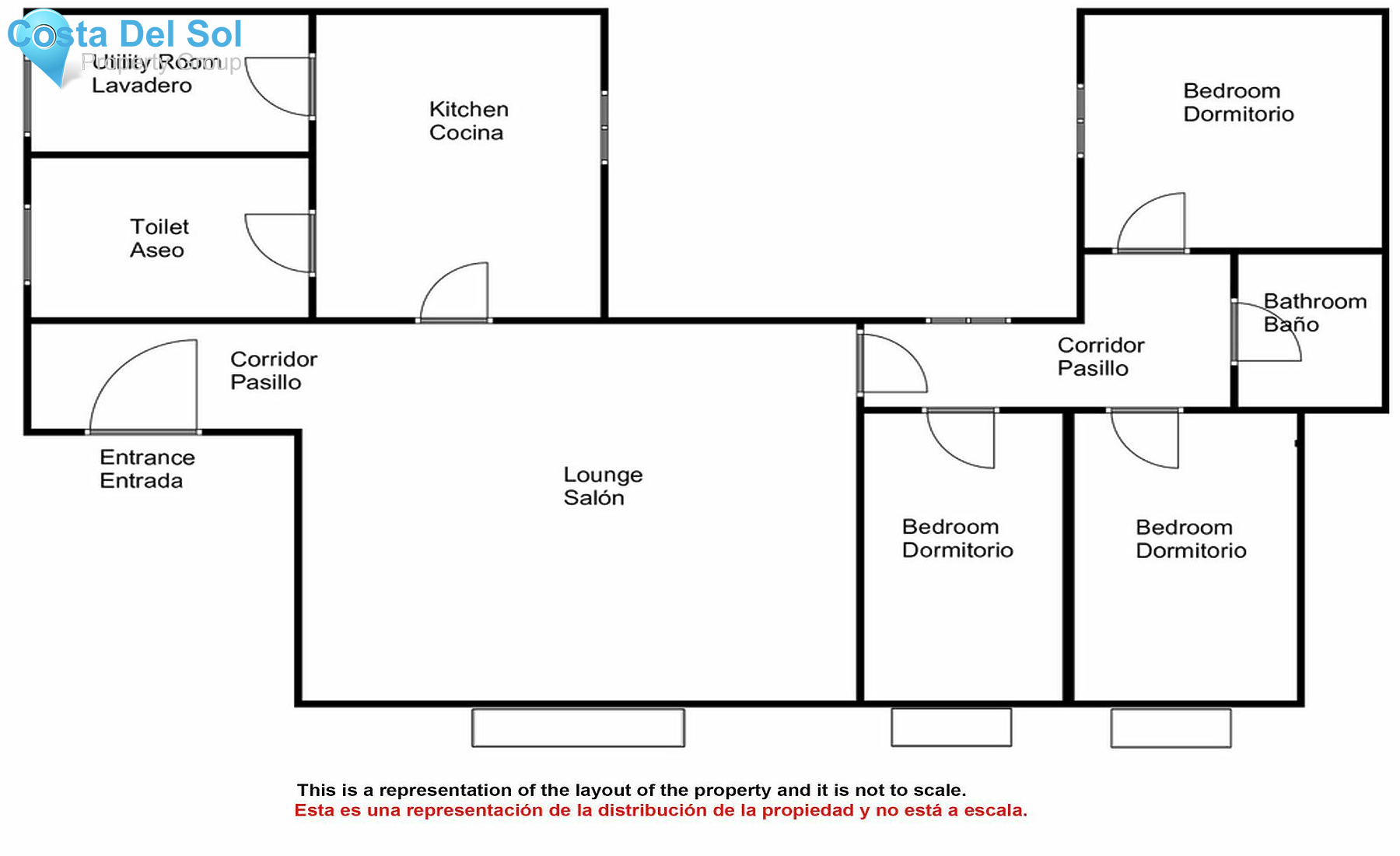
The property has an excellent layout as the living areas are at the front of the apartment, whilst the bedrooms and bathroom are at the rear, making them very private.
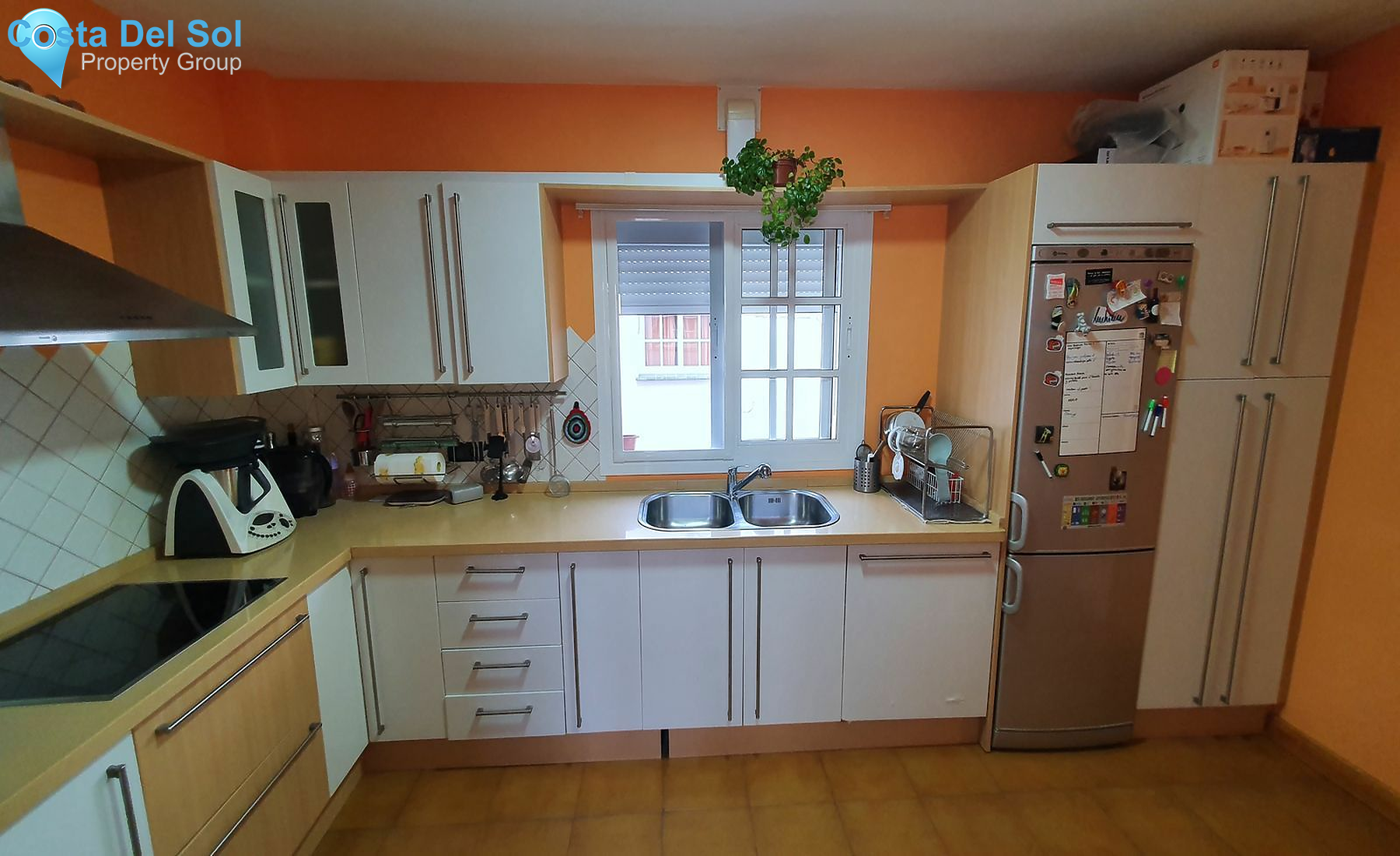
The kitchen is fully fitted and the home benefits from hot & cold air-conditioning in the living room and in the master bedroom.
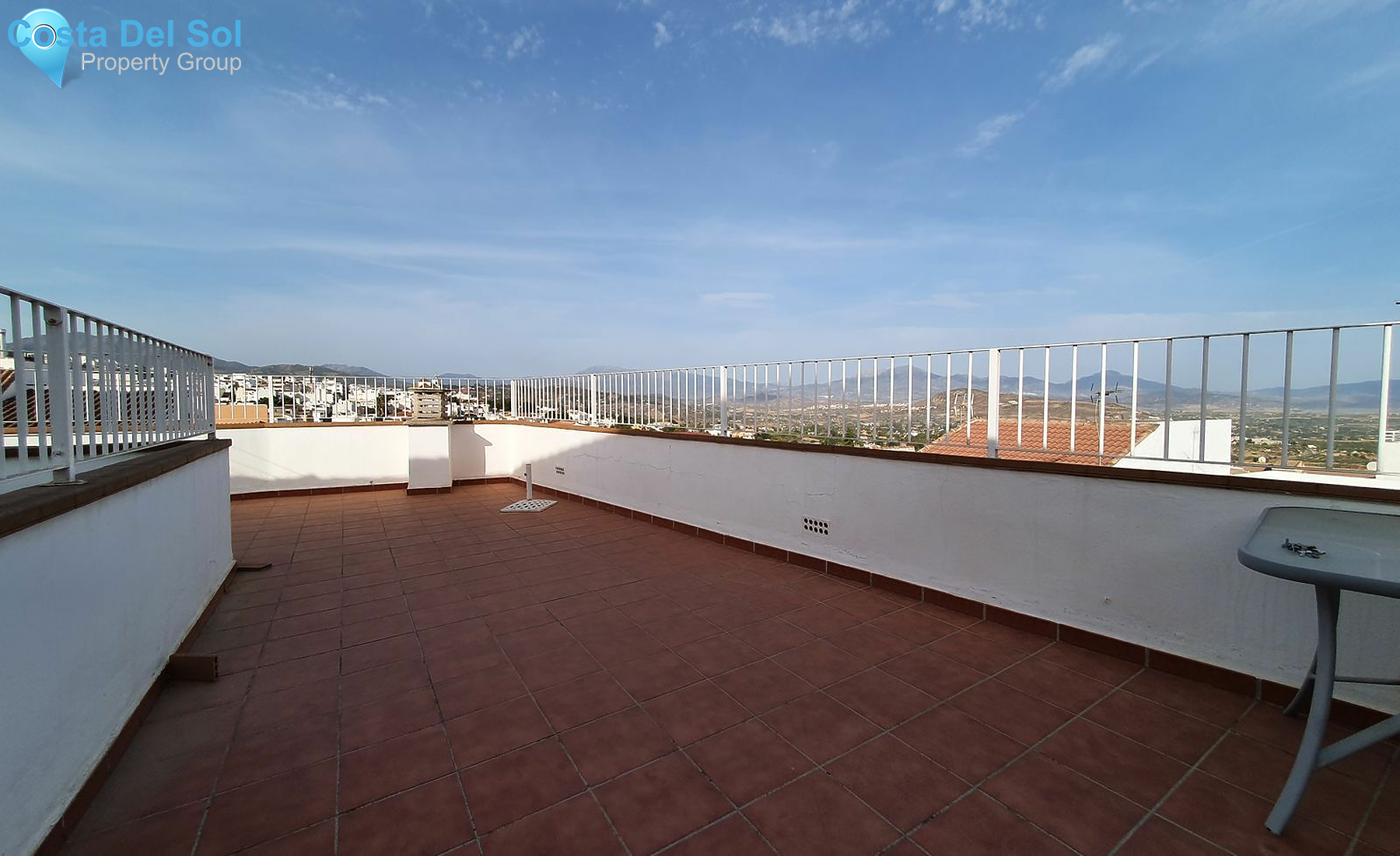
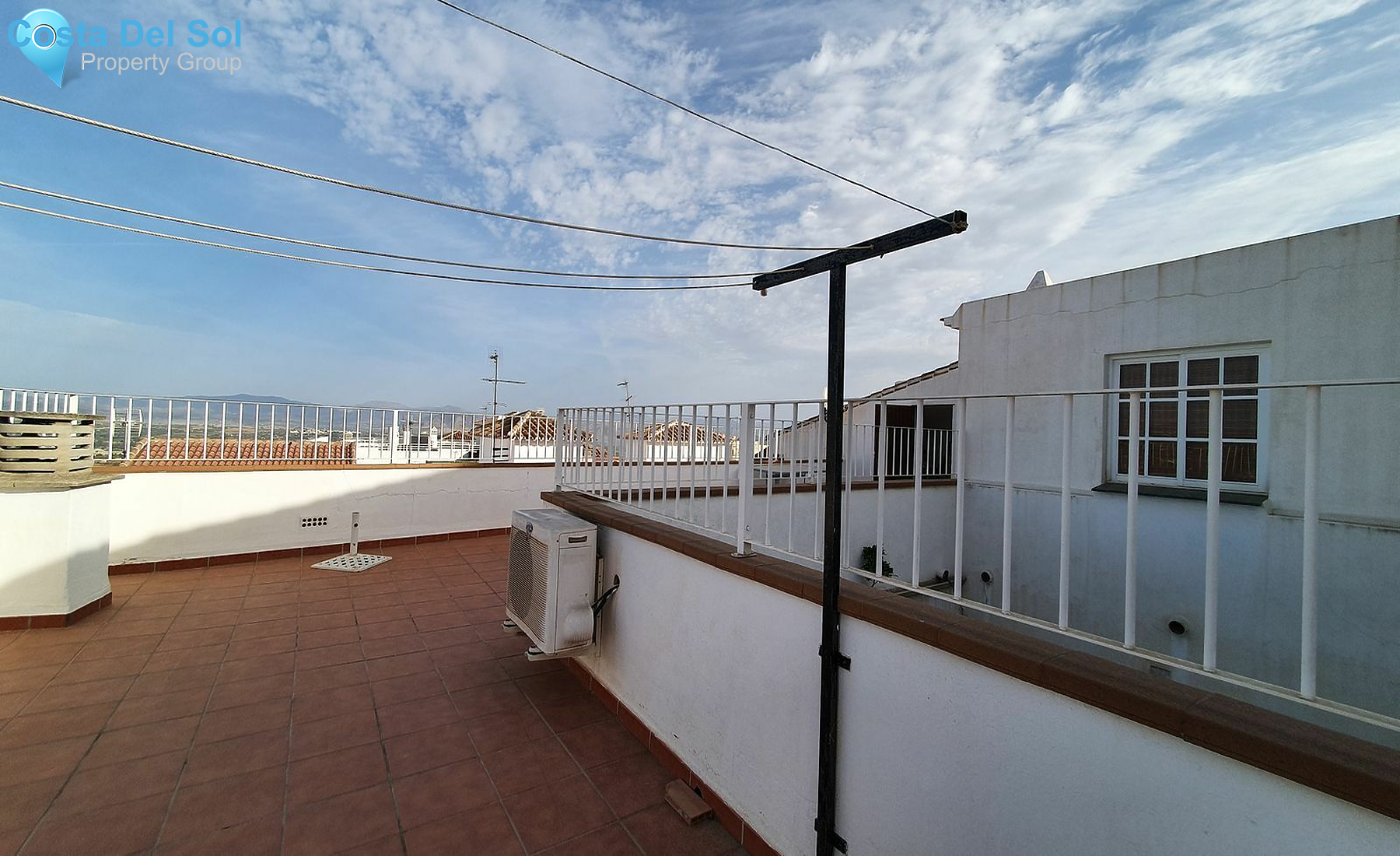
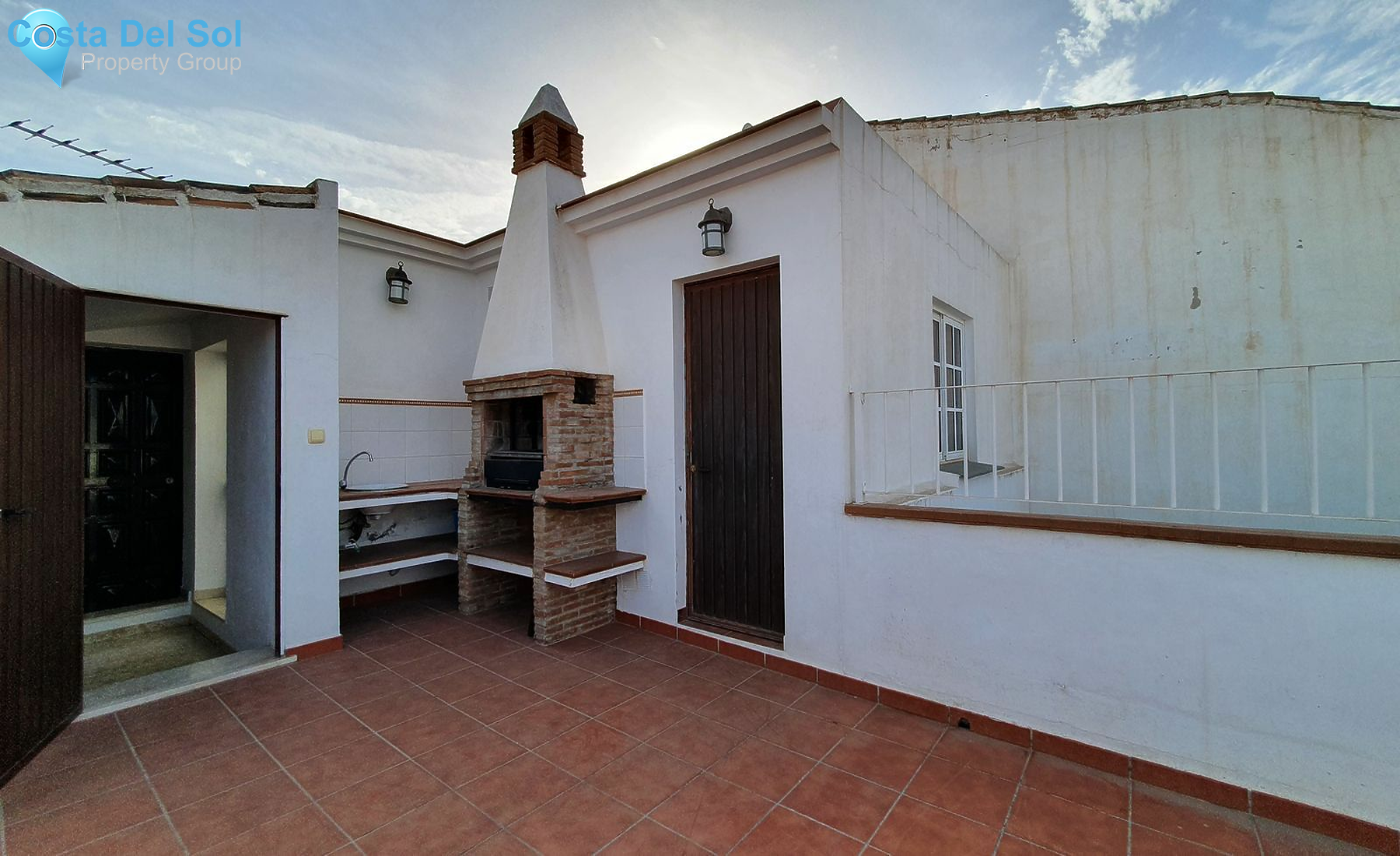
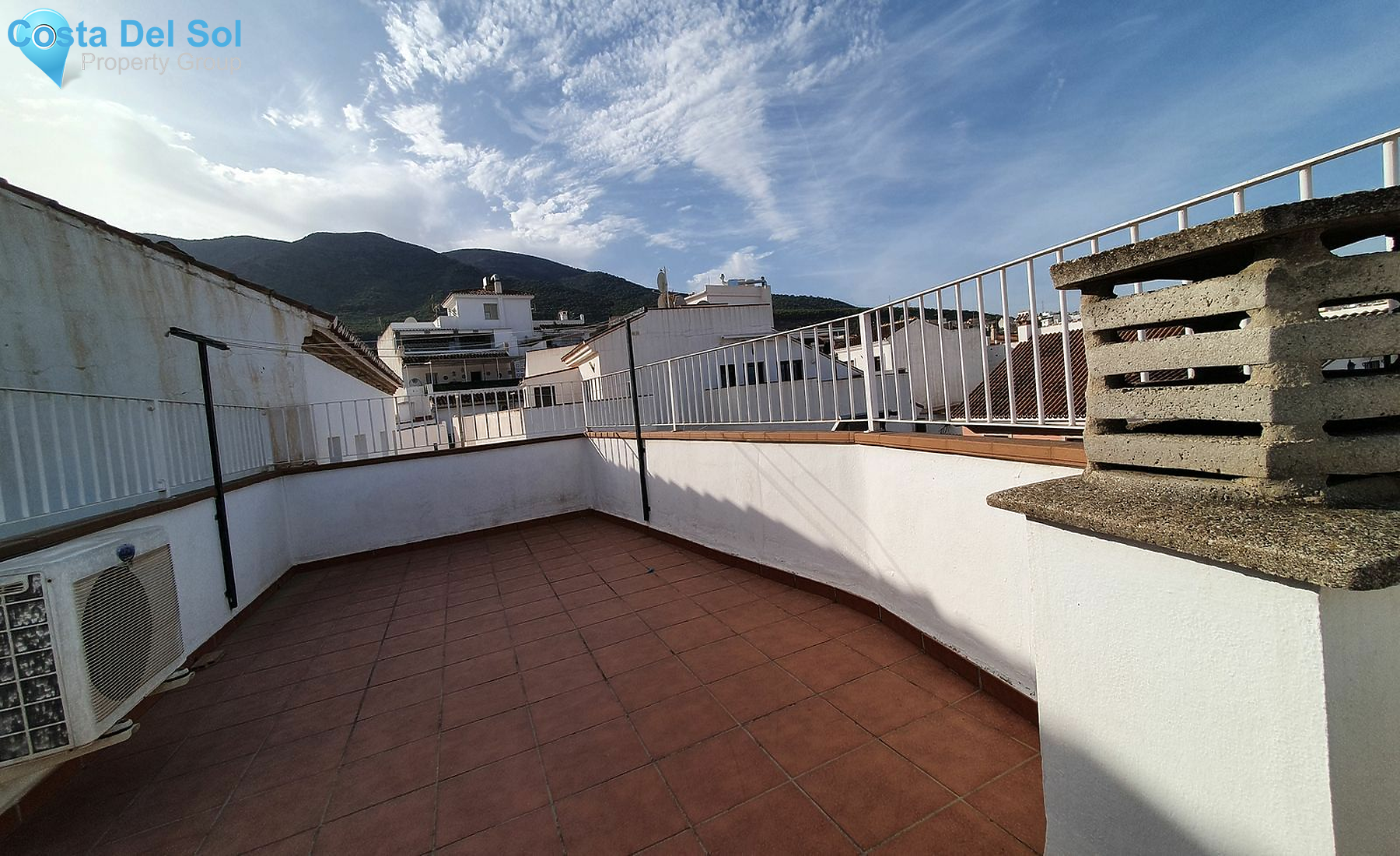
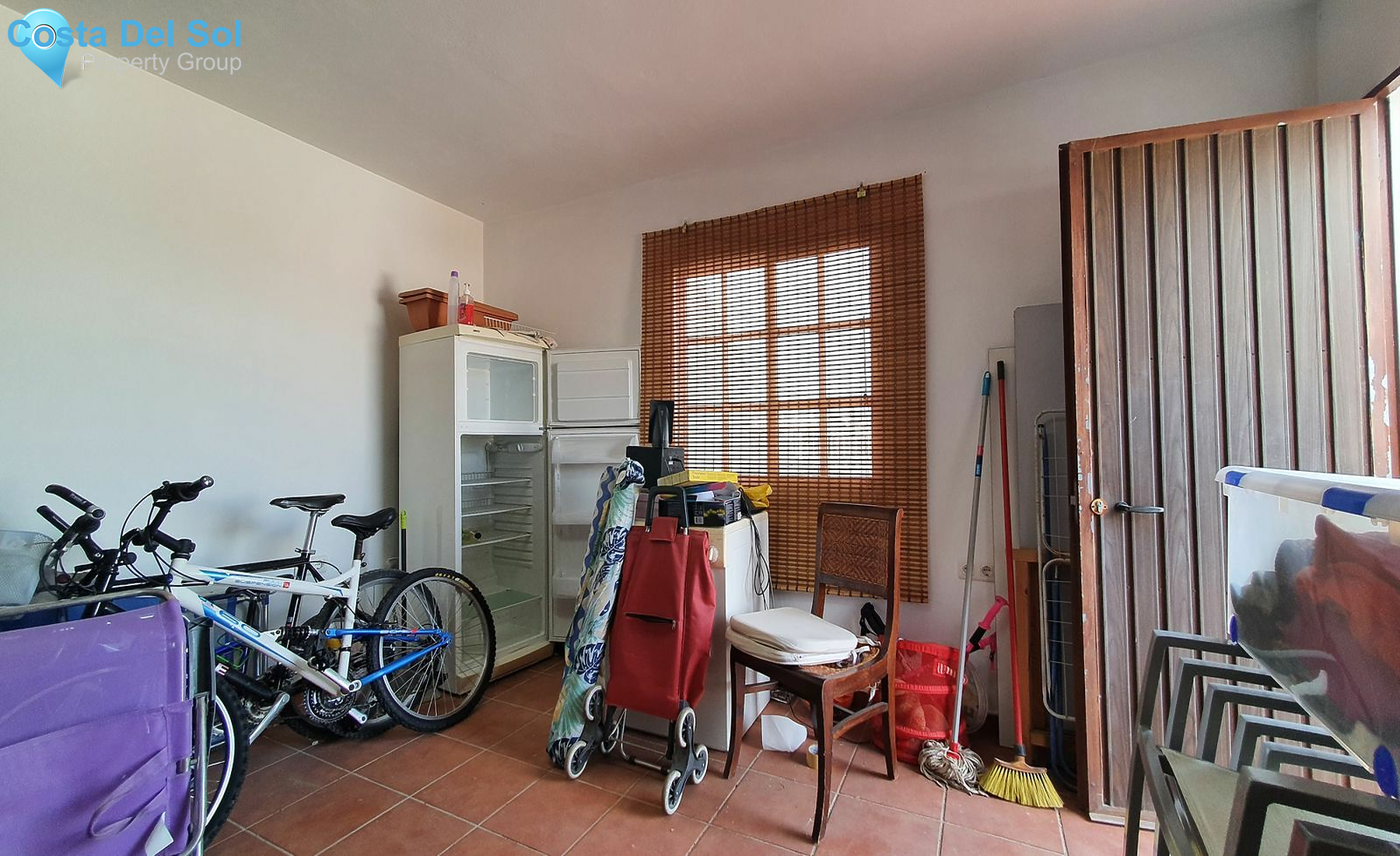
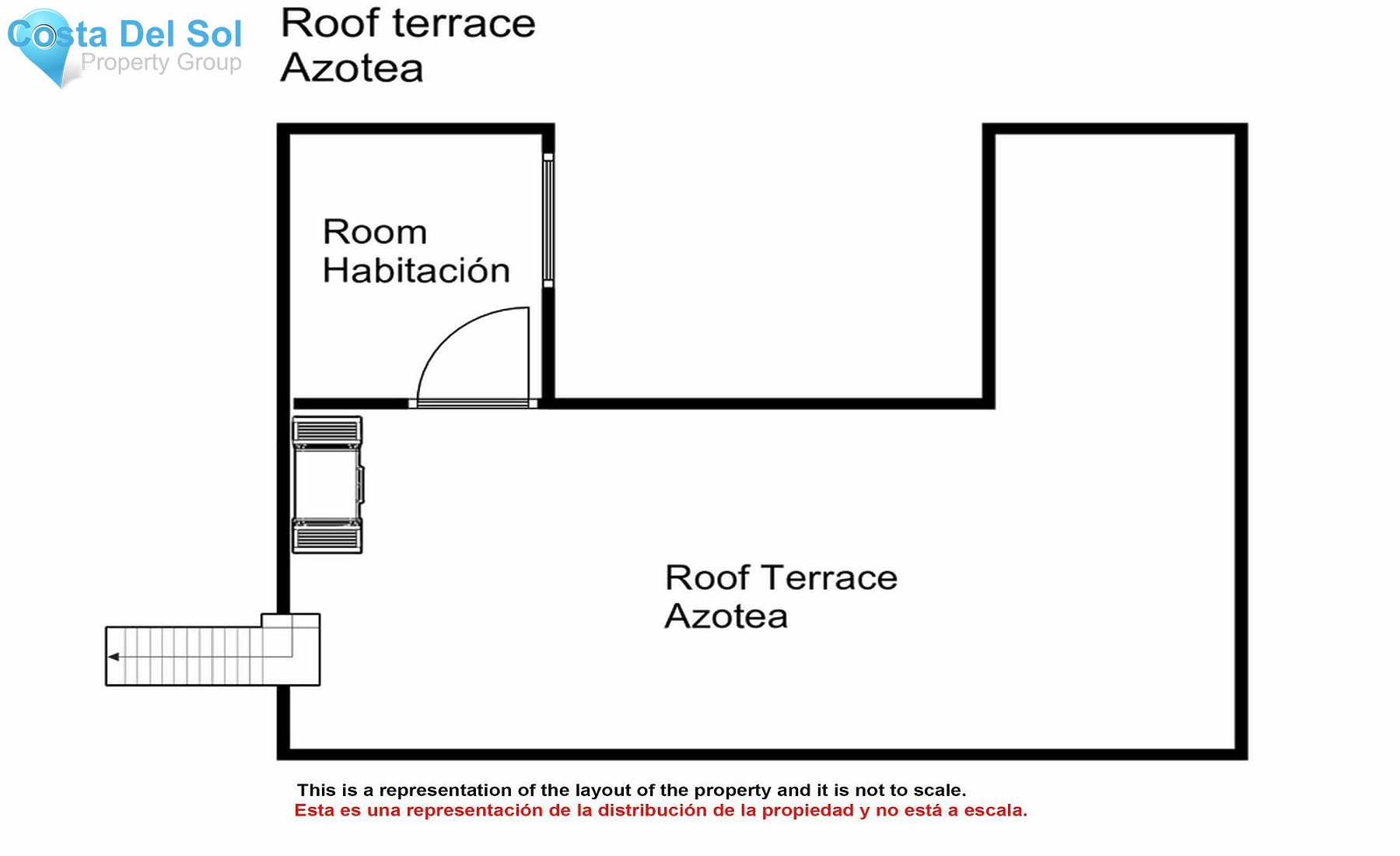
Additionally, this property has a large L-shaped private roof terrace with wonderful views, a barbecue area and a 20m² room which is currently used as a storage room but could easily be converted into an office.
The property is one step away from all amenities, near to a bus stop and the shops.
Features
- Near Transport,Private Terrace,Barbeque,Double Glazing
Property video
Location
- Area: Málaga
- Town: Alhaurín el Grande
Current Weather in Alhaurín el Grande
About:
Alhaurín el Grande is a town located in the province of Málaga in the autonomous community of Andalusia in southern Spain.
It covers an area of 73.1 km2 extending from the northern slope of the Sierra de Mijas and the plain of the Guadalhorce river, where alternate crops of citrus and other fruit trees orchards are found.
The population reaches 23,675 inhabitants, according to 2010 data.
The origin of the name was given by the Arabs, who called it "Alhaurin", where the Catholic Monarchs added "el Grande" to distinguish it from the neighboring town of Alhaurín de la Torre after the conquest of both sites in 1485.
It is situated between the river Fahala and the stream of Blas González.
The coast is close by and there is a network of roads to get there.
There is a road to Málaga Airport and Torremolinos, which takes about 30 minutes by car.
A new road was built in 2010 connecting the town with Fuengirola and the beach which is only 20 minutes drive.
There is also another new road to Marbella, to the southwest with Mijas just along a winding road round the mountain.
From Alhaurín there is a view over the "Hoya de Málaga", Málaga's vale, full of lemon trees and other fruit trees.
Villafranco del Guadalhorce is a village within Alhaurín el Grande's municipal territory.
It was founded by colonist families in the 1950s and subsidized by the Instituto Nacional de Colonización of the Spanish government.
Taxes & Fees
Latest Middle Floor Apartment

Notice: Trying to access array offset on value of type bool in /var/www/clients/client5/web6/web/Global-Includes/footer.php on line 1
File does not exist. "https://costadelsolpropertygroup.com/propertyVideos/noVideo.mp4"